

Hey Fam,
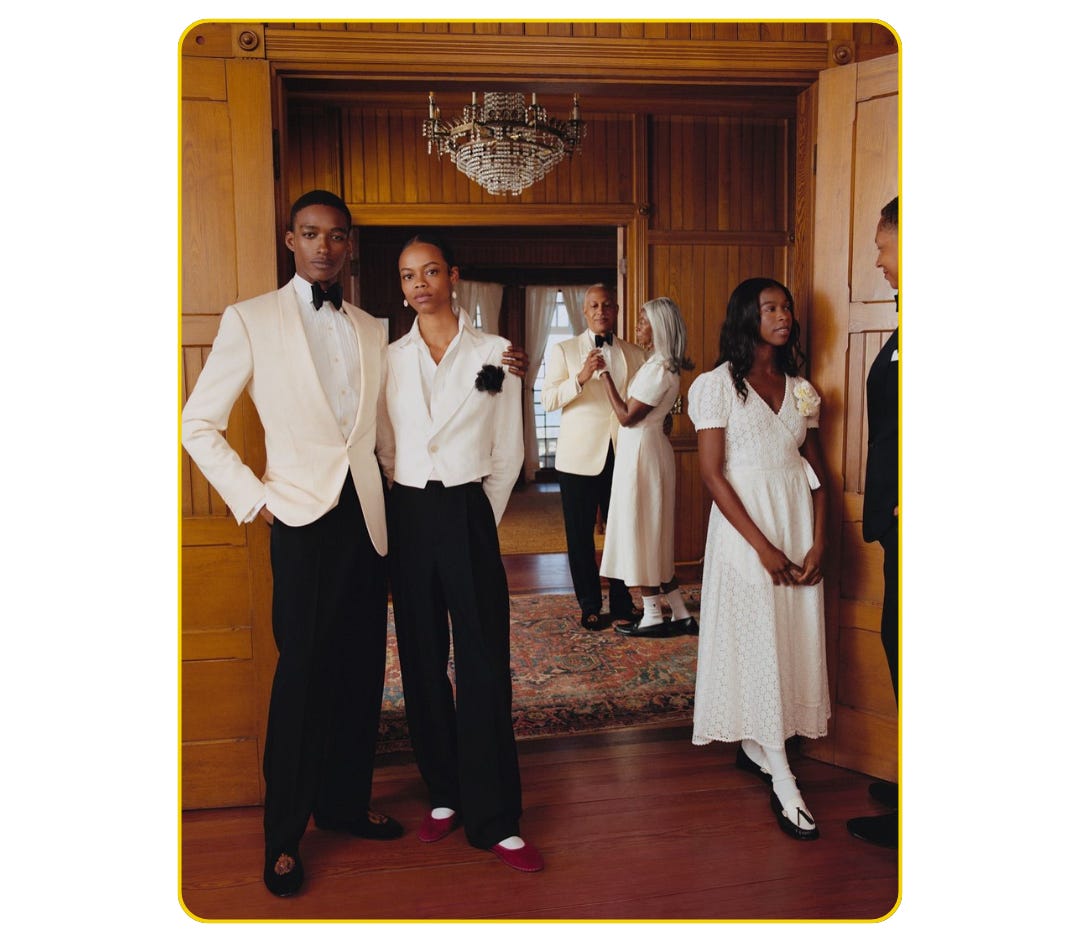
A maroon blazer stitched with pride, a white dress whispering tradition, hydrangeas swaying in Oak Bluffs—a historic Black enclave on Martha’s Vineyard.
The cameras roll. Students from Morehouse and Spelman stand tall, embodying decades of legacy, intellect, and style.
And emblazoned across those garments?
Not just Ralph Lauren’s iconic Polo logo, but the names and mascots of two of the most storied HBCUs in the nation.
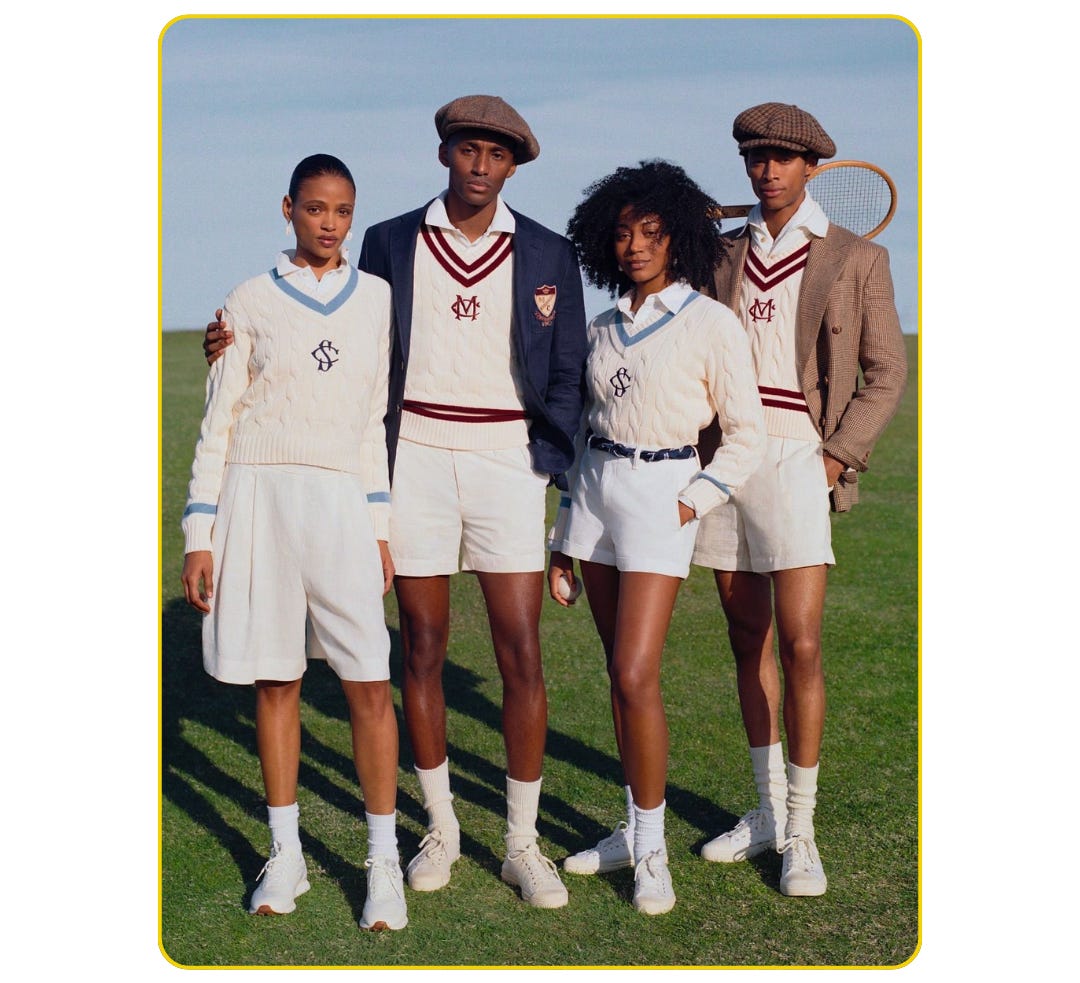
This isn’t just a fashion line.
This is a cultural statement.
And.We.Are.Here.For.It.
In 2022, Ralph Lauren launched a collection celebrating the heritage of Morehouse College and Spelman College.
The designs drew from archival photographs, alumni stories, and decades of sartorial tradition. It sold out almost instantly. But more than profit, it sparked something else: a new model for how brands can collaborate with cultural institutions without trampling on their legacy.
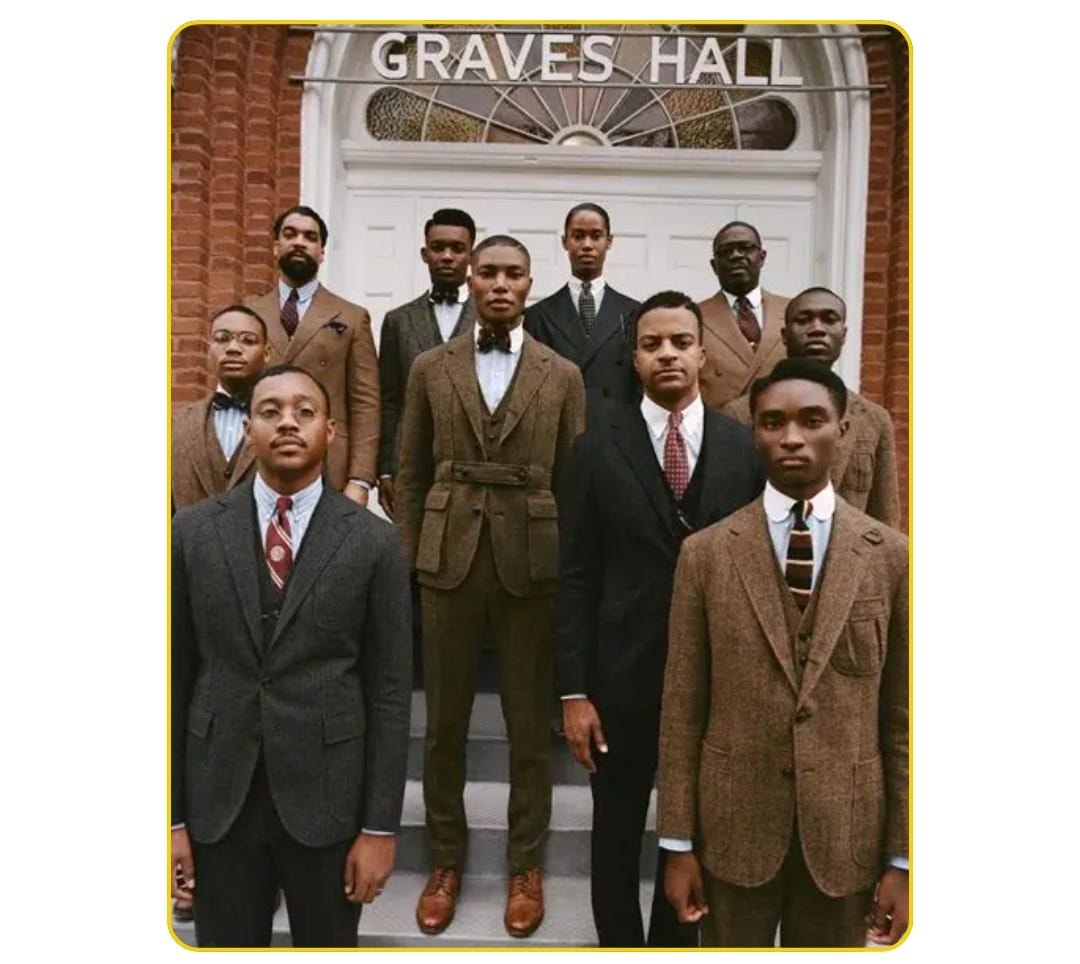
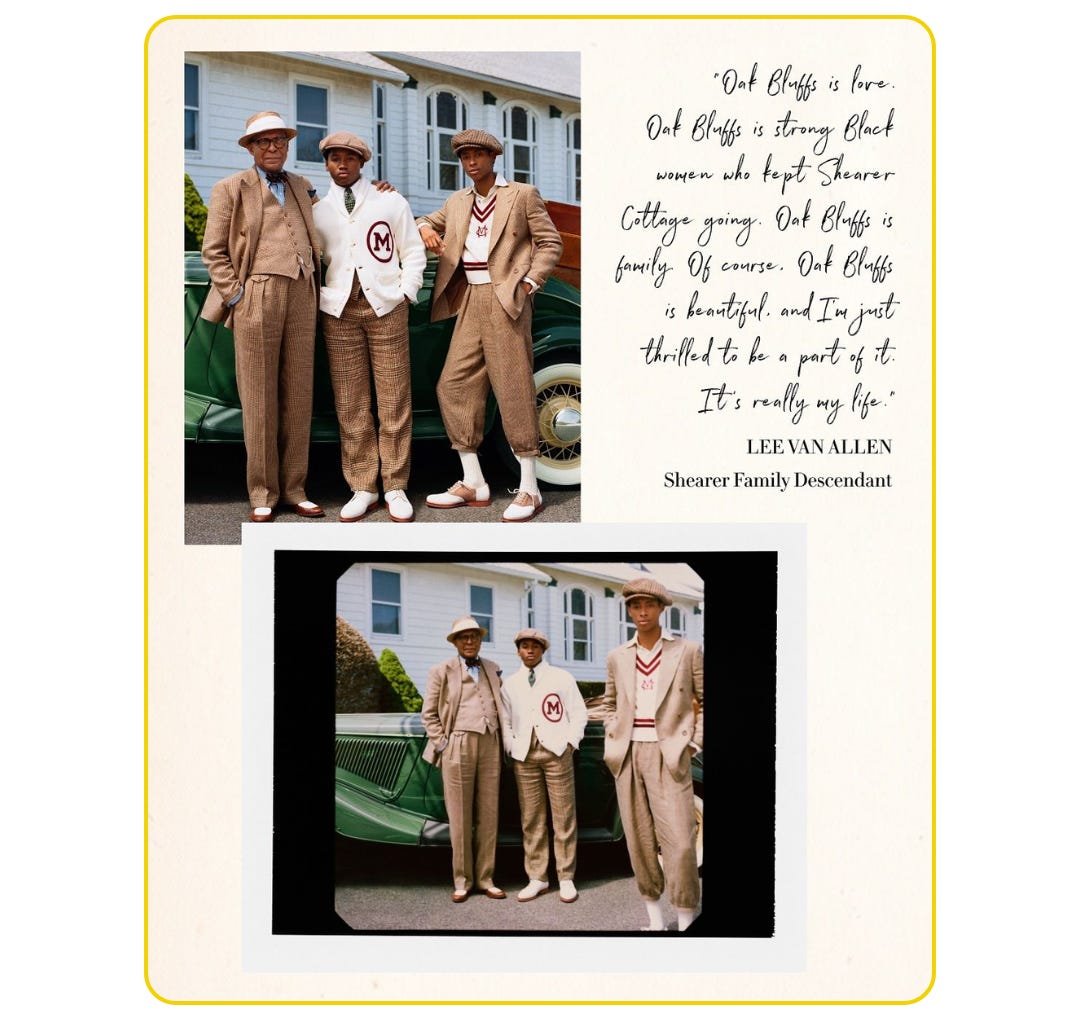
Fast forward to 2025: the partnership deepens with the Oak Bluffs Collection, an ode and homage to a Black summer sanctuary.
This isn’t appropriation wrapped in pastel marketing—it’s authenticity, born from mutual respect and a licensing deal done right.
For founders and entrepreneurs, there’s a lot to learn here.
Not just about branding, but about protecting what’s yours, elevating your voice, and ensuring any partnership truly reflects your values.
In this Founder’s Letter, we explore what happens when culture meets contract—and what founders can learn when legacy is protected by law.
Indeed, we’re gonna unpack four critical lessons, each drawn from how Morehouse and Spelman wielded their IP power in this deal.
Ready?
Let’s dive in.
Loving This Post?
Show us some love by adding a “❤️” or commenting below; this will make our hearts sing.
But First, Church Announcements:

If you’re a social entrepreneur building something meaningful, don’t just make it memorable—make it legally yours.
📘 Download our Free Trademark Guide for Social Entrepreneurs to learn:
How to choose a strong, protectable brand name
The 5 types of trademarks (and which ones hold up in court)
Why not every brand is a trademark—and how to turn your story into strategy
What to do before you file so you avoid costly mistakes
How to respond to pushback from the USPTO like a pro
This guide walks you through the process before you brand—so you can build with confidence, clarity, and legal protection from the start.
Your work deserves more than a logo. It deserves a legal legacy.
Now, back to our regularly scheduled program…. :)

One of the reasons this collaboration resonated is because Morehouse and Spelman weren’t silent partners.
They didn’t just hand over their logos and hope for the best.
They had approval power over how their history was represented—from the stitching on the jackets to the narratives told in the campaign films.
Think about it: how often have we seen brands “honor” a culture, only to butcher it? (Remember the endless parade of tone-deaf ads around Black History Month?)
Morehouse and Spelman avoided that fate by requiring oversight.
Archival images were sourced directly from their collections; alumni and historians advised on styling to ensure accuracy.
Even the decision to shoot on campus signaled control—they ensured the visuals aligned with their identity.
For founders:
When partnering with a larger brand, you are well within your rights demand the approval of creative assets.
Make sure your contract gives you final say—or at least veto power—over how your story is told.
This protects your reputation and ensures authenticity isn’t lost in translation.
Example from the deal:
Ralph Lauren’s campaign materials featured real students and alumni, historical references verified by the colleges, and campus locations.
This didn’t happen by chance—it happened because the colleges had the legal muscle to require it.
And you have that legal muscle, too.

A licensing deal isn’t just about who can use a name.
It’s about how that name—and everything it carries—is represented.
Morehouse and Spelman went beyond protecting trademarks; they protected the context.
They didn’t let Ralph Lauren cherry-pick aesthetics without honoring the history behind them.
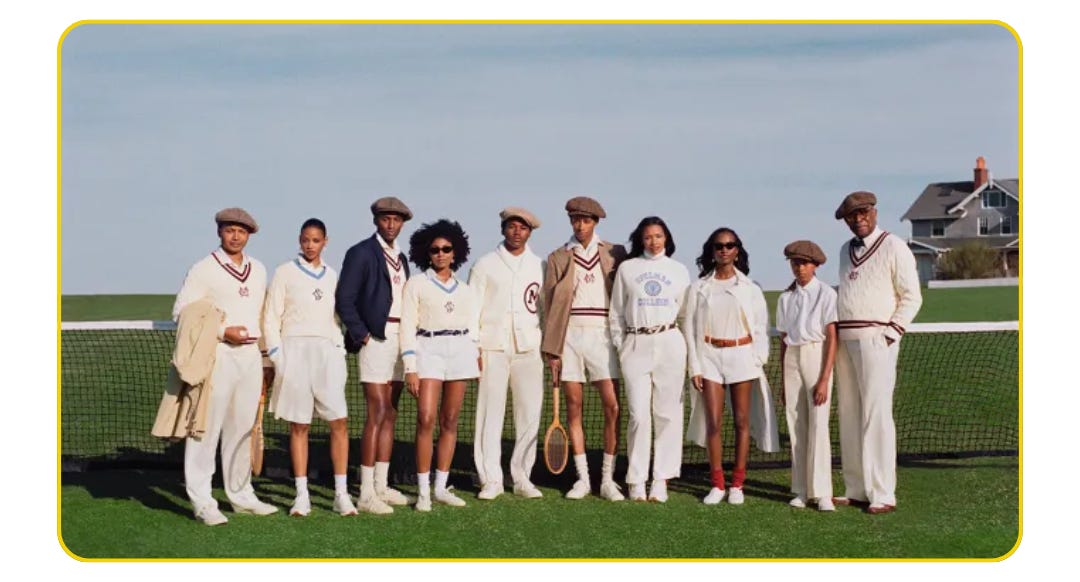
For the Oak Bluffs collection, Ralph Lauren tapped into the legacy of a Black summer community where generations found refuge and joy.
This wasn’t a random setting. The campaign tied the designs back to real cultural roots, with storytelling shaped by people who lived it. This level of respect was baked into the agreement.
For founders:
When you license your brand or cultural assets, specify in the contract how the story can be used.
Define what’s off-limits.
Require context, acknowledgment, and representation that honors your values.
Without this, a brand can strip-mine your identity for profit.
And ain’t nobody got time for that….
Example from the deal:
The partnership mandated historical authenticity.
Ralph Lauren’s designers combed through the colleges’ archives to capture the right silhouettes.
Spelman’s traditional white attire and Morehouse’s iconic blazers weren’t just costume—they were homage.
The contract made sure these cultural details were protected, not distorted.

Let’s be clear: Morehouse and Spelman didn’t give Ralph Lauren free use of their marks.
They engaged in a standard collegiate licensing agreement—one that ensured they received royalties from every single piece sold.
This was not charity; this was not free marketing “for the culture.”
This was commerce on their terms.
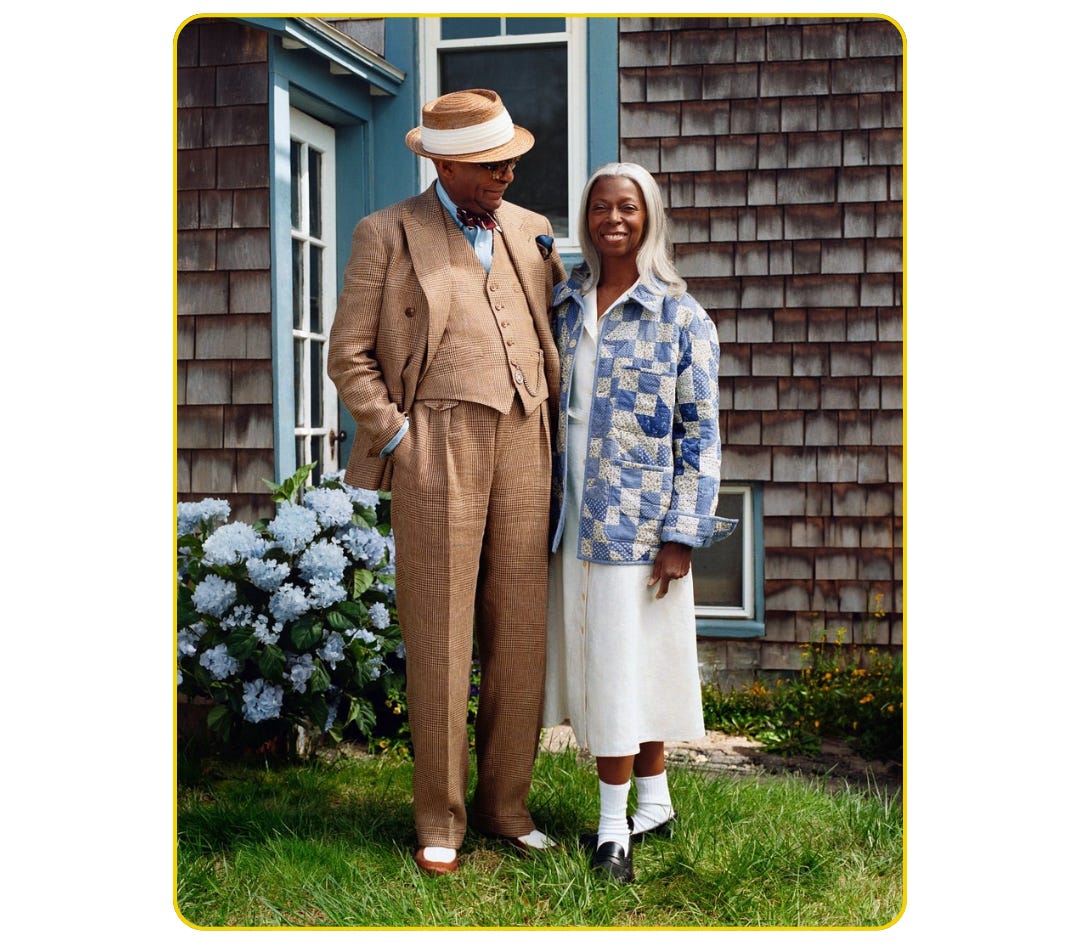
While the exact percentages are confidential, the structure is clear: the schools own the marks, Ralph Lauren licenses them, and the schools earn a cut of the revenue.
For founders:
When negotiating partnerships, ask yourself: What is my intellectual property worth?
Don’t settle for exposure alone. Exposure doesn’t pay the bills. Secure royalties, profit shares, or upfront payments that match the weight of what you bring to the table.
We can help you with that at Firm for the Culture.
Example from the deal:
The colleges didn’t just get paid once; they benefit every time a jacket, cardigan, or accessory with their name is sold. This is how you turn cultural capital into generational wealth.

One of the standout features of this partnership was the philanthropic thread woven through it. Ralph Lauren didn’t just license logos; the company also invested in the communities those logos represent.
A $2 million scholarship fund.
Expanded internships for HBCU students. Career pathways in an industry where representation matters.
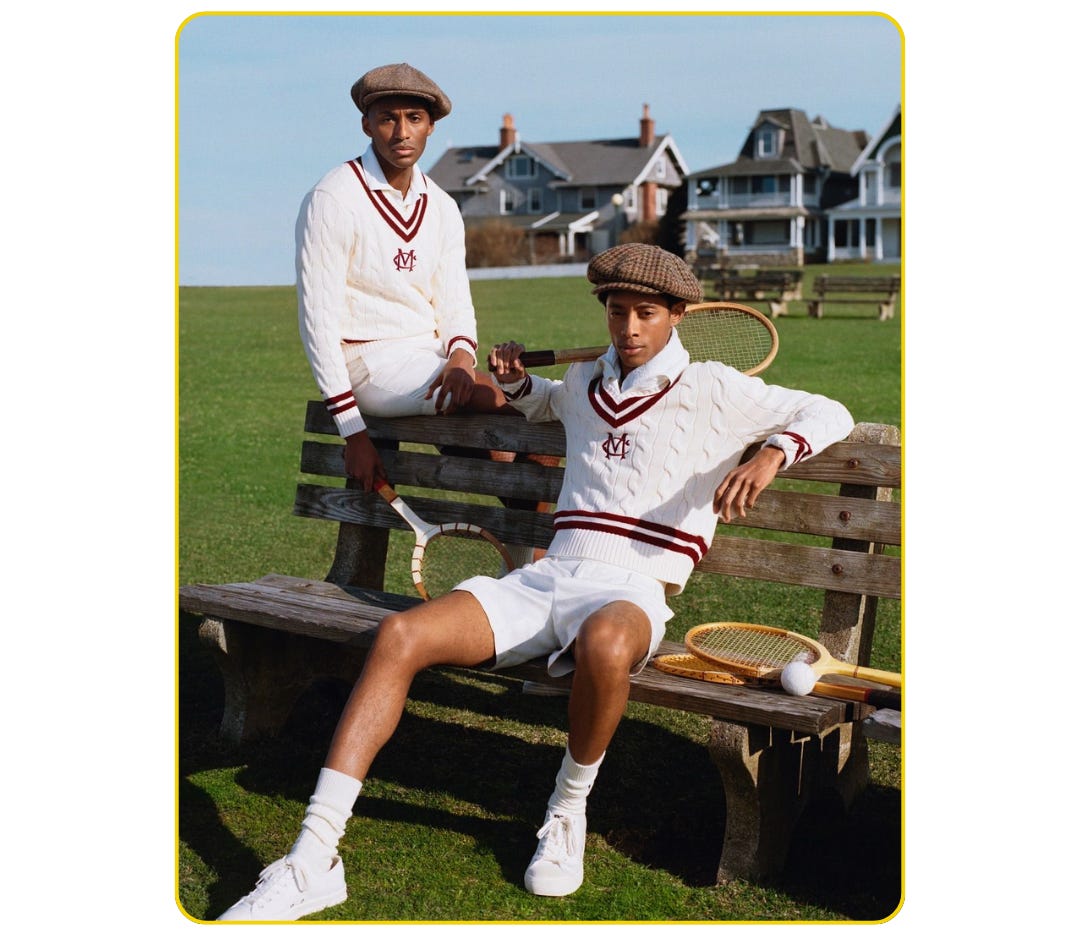
This wasn’t charity to wash away appropriation—it was a strategic, mutual benefit. Morehouse and Spelman used their leverage to ensure the partnership gave back.
For founders:
When negotiating deals, don’t limit the conversation to dollars. Consider how the partnership can uplift your community—through scholarships, mentorships, job creation, or visibility. Build terms that require your partner to invest where it matters most.
Example from the deal:
Scholarship money didn’t just benefit the two colleges; it supported students across multiple HBCUs. This amplified impact showed that the collaboration wasn’t extractive—it was regenerative.

The Takeaway: Authentic Partnerships Are Built, Not Borrowed
The Ralph Lauren x HBCU collaboration worked because it respected boundaries while celebrating culture. Morehouse and Spelman didn’t just lend their names—they led the narrative.
They kept control of their trademarks, their story, and their value. They turned a fashion collection into a blueprint for how legacy institutions can engage with global brands without losing themselves.
For founders, the lesson is clear:
Your culture, your brand, your legacy—they’re powerful. Protect them. Negotiate them. And never settle for anything less than a partnership that honors what you’ve built.
Because authenticity isn’t just good PR—it’s good business.

Drop your thoughts in the comments—let’s talk about it.
Need Help Protecting Your Creativity?
If you are unsure—or if you know you need to take action—reach out to us.
We have helped countless founders and creatives safeguard their intellectual property, and we would love to do the same for you.
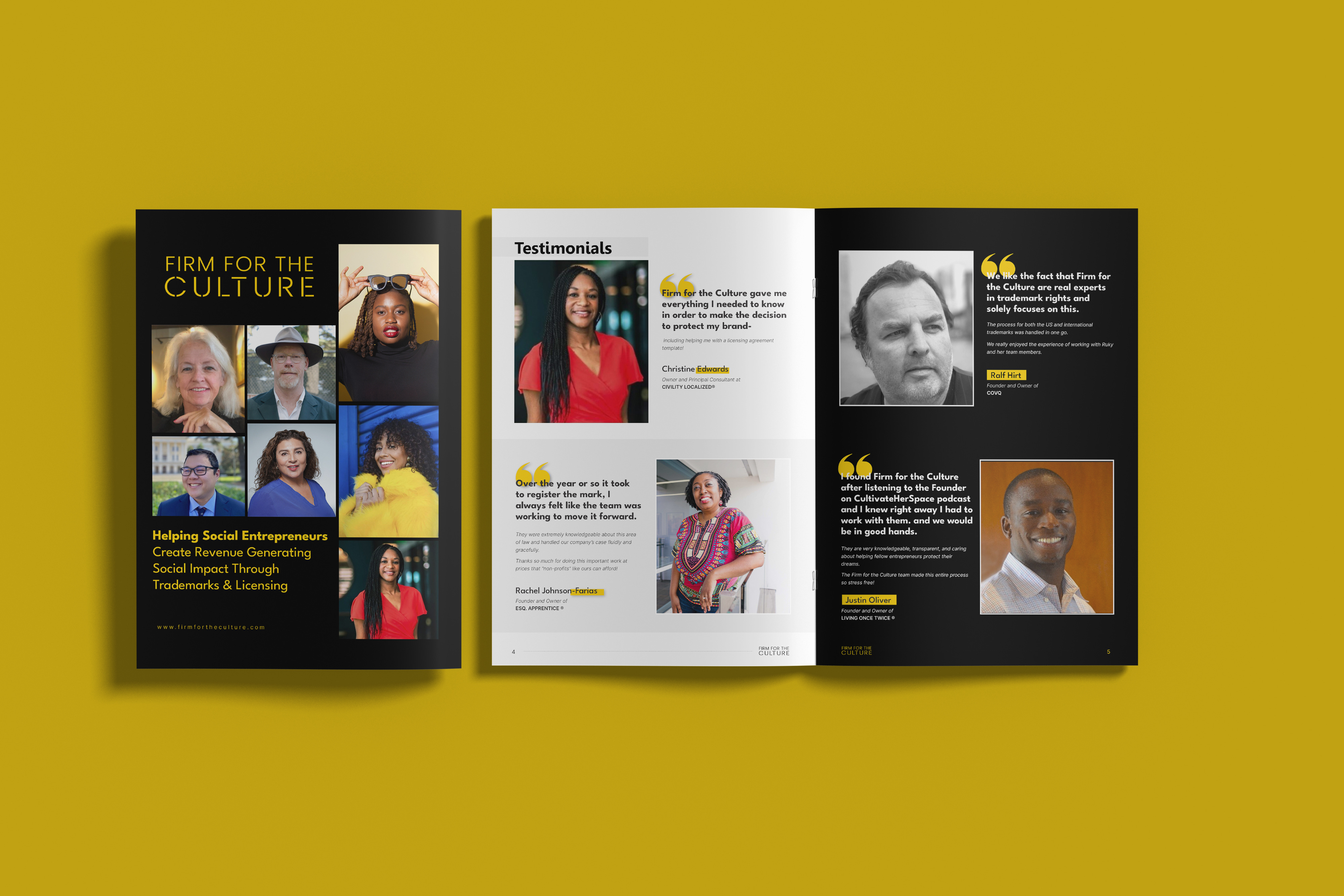
If you need further guidance, reach out to me and my team at Firm for the Culture.
We’re here to help you navigate the copyright, trademark, and thought leadership journey.
Can’t wait to help you protect your dynamic impact.
And #ThatsAWrap
The Doors of the Church Firm Are Open
Thanks for reading
See you next time.

