

Hey Fam,
What do you do when you’re in between a rock and a hard place?
Do you run or retreat?
Do you fight?
Do you cry (I do, tbh).
Or do you give up?
If you’re anything like me, this season is not a cakewalk, to say the least.
And.It.Is.So.HARD.
For example, I shared something on LinkedIn a couple weeks ago that I hadn’t planned on saying out loud: I’m kind of going through hell right now.
Growing, learning, a lot changing on the inside of me as a result. Old narratives are being challenged on the daily.
And I’m standing toe-to-toe with generational cycles that refuse to relent.
Have you ever felt this way? Can anyone relate?
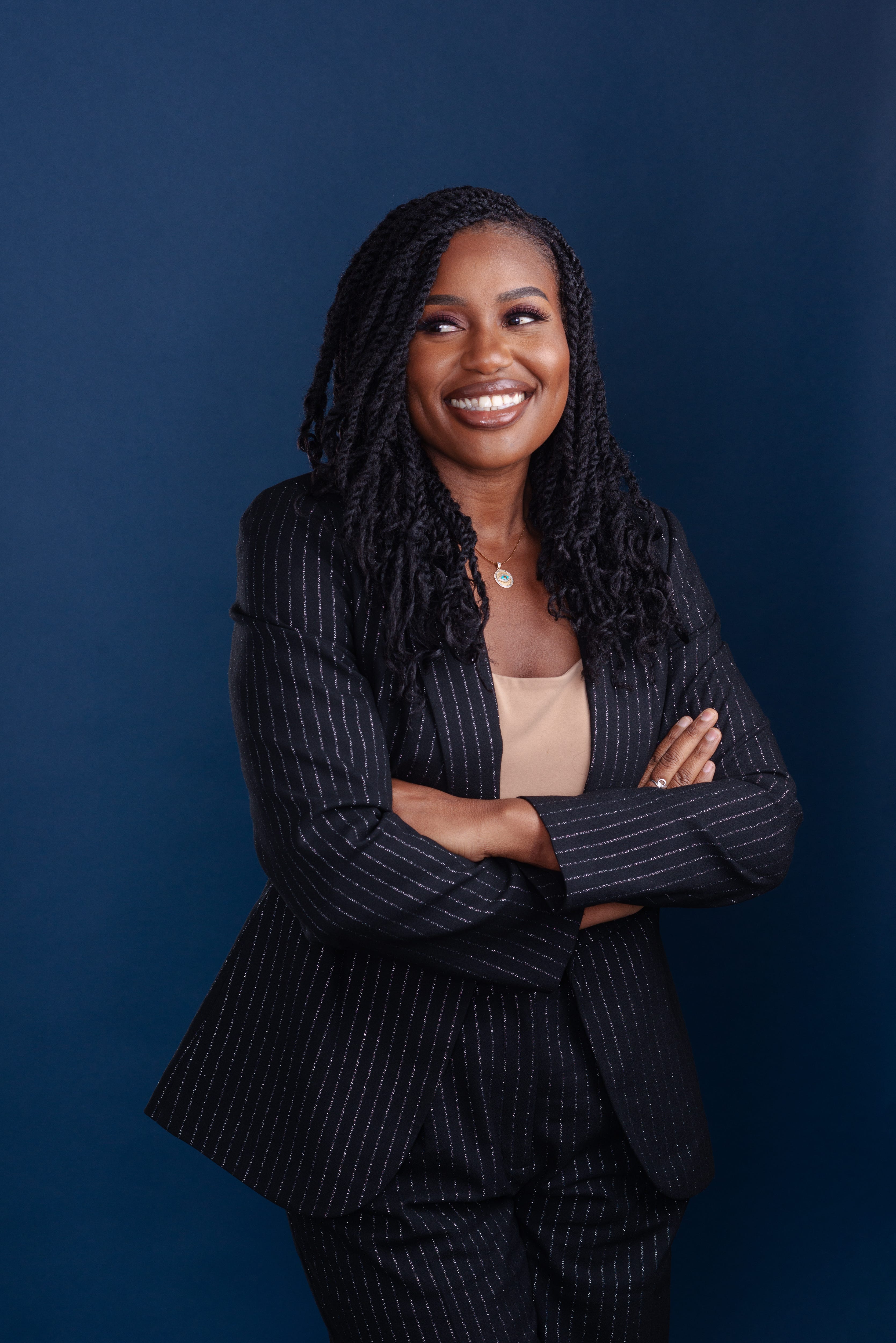
Going through “hell” isn’t always loud or obvious.
Sometimes, nothing necessarily looks “bad” from the outside, but something inside of you knows you’re called to more.
You know you were made for more—you’re just not quite sure how to reach it.
So it was definitely divine timing that, in the middle of all of this, we were preparing for our recent workshop on Queen Latifah.
Because after hearing her story, we sat in the workshop in awe; we all knew we needed exactly what she was teaching us in this season.
Let me explain.
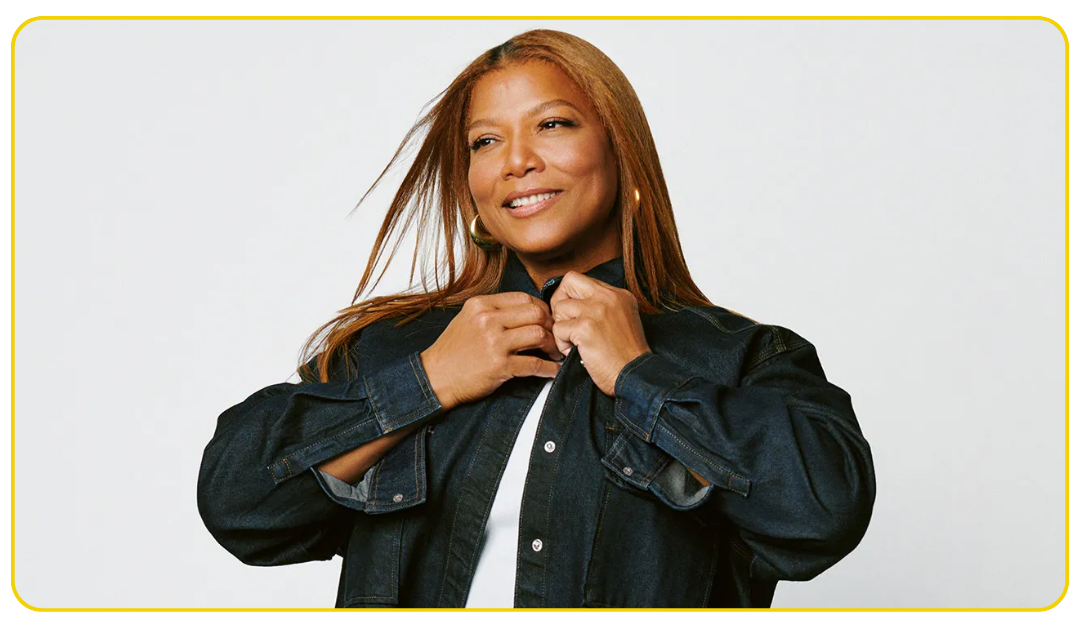
Because here’s the thing: Queen Latifah’s story is about so much more than Living Single, performing in the film adaptation Chicago, winning a Grammy, receiving worldwide recognition, or building an enduring legacy.
Her story also includes the deaths of loved ones. A carjacking. Drug and alcohol addiction. A winding road with some genuinely catastrophic lows.
And yet, right alongside those lows, she was winning a Grammy, hosting a nationally syndicated talk show, and building a production company that would eventually do business with Netflix and Sony.
You see, life was going to “life” for her too.
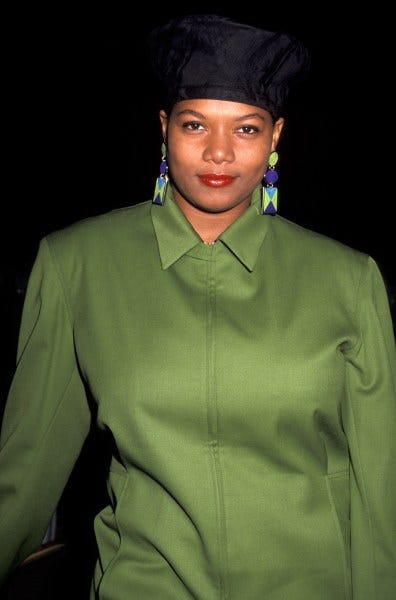
And still, she built something that has lasted three decades and counting.
That was the part of her story I realized so many of us needed in this season.
In that workshop, we all needed the reminder that going through hell didn’t mean we also were not building a legacy.
Indeed, the hell and the legacy don’t merely coexist. To some extent, they are synergistic. Sometimes, the very thing putting us through hell is also clarifying who we are, what matters to us, and exactly what we’re building toward.
So during the session, I asked the room the same thing I’m asking you now: What if this season—this “dang, I’m going through hell too” season—isn’t separate from your legacy? What if it is helping to shape it?
If you’re in it right now, I want you to sit with that.
Because here’s a reminder: One does not cancel out the other.

And that brings me to the theory I built the whole workshop around.
Queen Latifah’s breakout moment wasn’t 1989, when she was first signed.
It wasn’t the 2000s, when she was in Chicago.
It was 1999 — the year she stopped just proving herself and started deciding who she was going to be.
For a full decade before that, she had dynamic, undeniable proof: a Grammy, Naughty by Nature signed to her label, and platinum albums filled her catalog.
But proof and protection are two different things, and 1999 was the year she stopped treating them as the same thing.

Somewhere in that stretch, I imagine she realized she couldn’t do this alone and she realized that after the hell of the season she endured.
While she had made it far on talent, determination, and sheer drive—she realized that “drive” isn’t a legal strategy.
So once the proof was established, the question shifted Queen Latifah likely contemplated moved from “Can I do this?” to “What am I actually going to own?”
That’s the gap we’re going to explore here: moving from creation without structure, building without ownership, and a body of work with no legal armor around it — to legacy, conviction, and confidence that you own what you are building.
In this Founder’s Letter, we’re going to trace how Queen Latifah transformed a decade of proof into a legacy she could actually own.
We’ll look at how her 1999 filings and production rights changed the trajectory of her work—and how you can make that same shift from proving what you can build to protecting what you intend to keep.
Ready?
Let’s get into it.

Loving This Post?
Show us some love by adding a “❤️” or commenting below; this will make our hearts sing. Also, please share, we want this to get to as many folx as possible.

But first, Church Announcements!!
Missed our recent live session?
The full recording of “U-N-I-T-Y” is now available for paid subscribers here:
The workshop notes, though, are still free—grab them here before they move behind the paywall too.
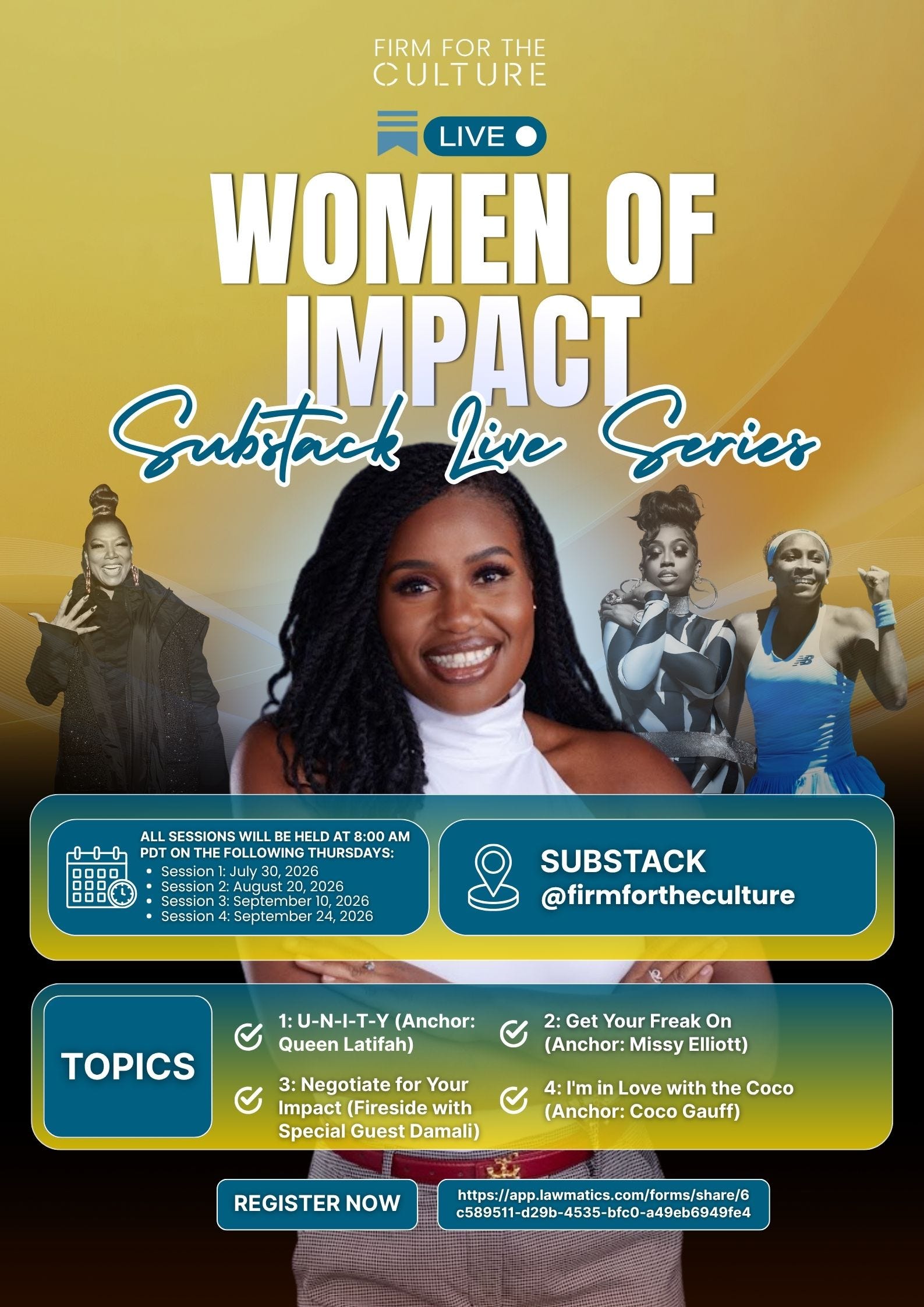
And sign up for our upcoming workshops!
August 20 — Women of Impact: Get Your Freak On (Missy Elliott)
Copyright, creative ownership, and protecting original work.
September 10 — Negotiate for Your Impact
A fireside chat with Damali Peterman on negotiating confidently and protecting your interests.
September 24 — Women of Impact: I’m in Love with the Coco (Coco Gauff)
Endorsements, image rights, NIL agreements, and personal-brand protection — Coco is building toward her own 1999 right now, and we’ll talk about exactly what she should be locking down.
All four workshops begin at 8:00 a.m. Pacific Time, 11:00 a.m. Eastern Time.
One Click. All Workshops.
We have a new one-click sign-up that allows you to register for the entire Women of Impact series at once.
Sign up, even if you’re not able to attend, you’ll still get the workshop notes by email.


Y’all, Queen Latifah went through it.
For a full decade before 1999, the wins and losses accumulated side by side.
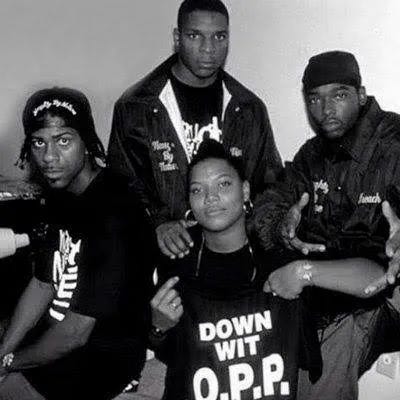
Have you ever had a season like that?
Many of the founders and creators I work with have.
They’re being featured on highly popular podcasts and receiving incredible publicity while privately struggling to pay their bills.
They’re celebrating six-figure months while also navigating deep depression.
If I’m being honest, many of our legal sessions are 2 parts legal strategy and 1 part focused on founder mindset, wellness, and simply…venting.
Why? Because the highs and the lows happening at the same time is far more common than you might think.
So the question isn’t always, “Why am I going through this?” Sometimes, this tension is simply part of what it means to be called to build something bigger than yourself.
The better question is: “What am I going to do as a result of this?”
Because even in the middle of it, you still have a legacy to build.
Founder Gem: Your season of “hell” isn’t wasted time—even the parts that hurt. It’s the case you’re building for yourself, whether you can see it yet or not. But your grind alone doesn’t protect anything. At some point, the question has to shift from “Can I survive this?” to “What am I going to do—and what am I going to own—when I come out on the other side?”

Here’s what 1999 actually looked like on paper, and it moved fast once it moved.
She filed a copyright under Queen Latifah Incorporated for her book, Ladies First, published January 6th of that year.
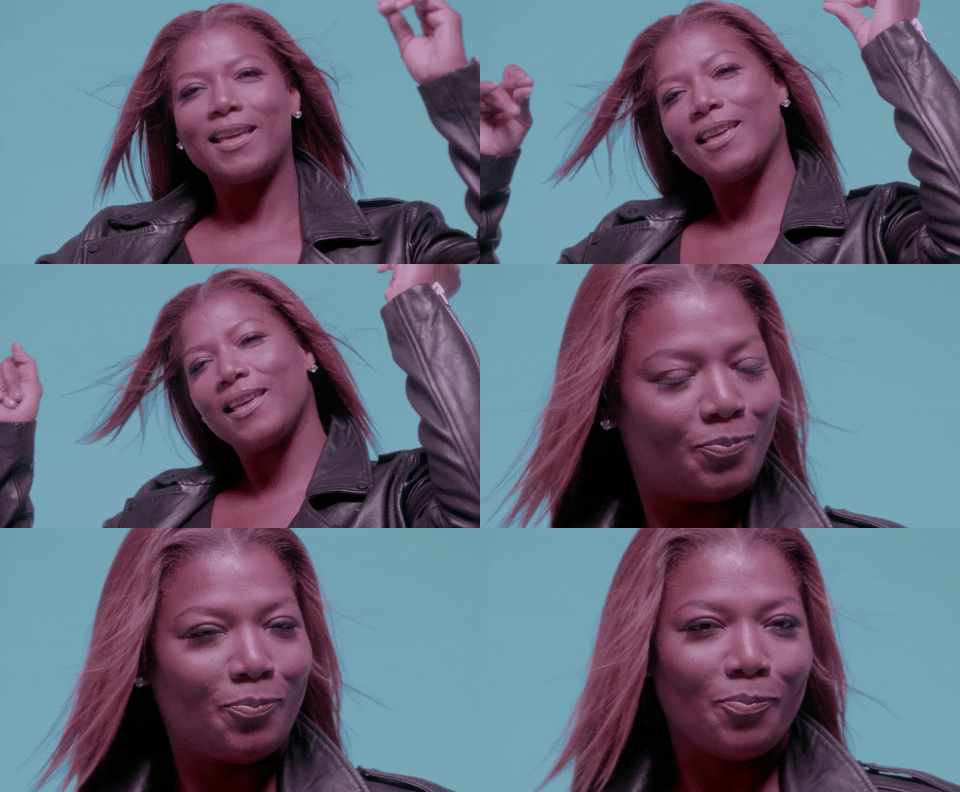
On September 16th, 1999 — three days after the Queen Latifah Show premiered in national syndication, ahead of Ricki Lake, ahead of Jerry Springer, ahead of Jennifer Hudson’s own eventual run — she filed a trademark for the name Queen Latifah.
Four days after that, a logo mark.
That same fall, she was in The Bone Collector, a $73 million Universal picture opposite Denzel Washington, the collaboration that would later become the seed of The Equalizer.
Queen Latifah did not come to play—and she did not try to do it alone.
She built a team capable of executing the vision she was stepping into. While she prepared to release her book and launch her talk show, her attorneys were working behind the scenes.
She wasn’t conducting trademark searches between takes, nor should she have been. The attorneys of record handled the applications while she focused on building the empire those filings were designed to protect.
The legal work didn’t compete with the building. Having the right team allowed both to move forward at the same time.
And both should be moving forward for you as well.
You still have workshops to run, coaching to give, conferences to attend, keynotes to deliver.
The filing has to sit with a team, not wedged into whatever’s left of your calendar after everything else you’re already carrying.
Founder Gem: Protection is not a solo project, and trying to make it one is often the thing that delays it indefinitely. The people with the most dynamic bodies of work are rarely the ones filling out their own IP protection applications — they have a team handling it while they keep building the next thing.

And Queen Latifah was not done yet.

Over the next two decades, she kept expanding the vision.
She starred as Matron “Mama” Morton in Chicago and earned an Academy Award nomination. She followed that with films like Bringing Down the House, Beauty Shop, Hairspray, The Secret Life of Bees, and Just Wright.
In 2006, she received a star on the Hollywood Walk of Fame. In 2008, she won a Golden Globe for Life Support.
But while the world was watching Queen Latifah perform, her production company Flavor Unit was growing behind the scenes.
In 2013, Flavor Unit Entertainment signed a multi-year first-look licensing deal with Netflix. Under that agreement, Netflix received the first opportunity to license Flavor Unit films following their theatrical release.

Now, let’s pause there—because a first-look deal is not the same thing as assigning everything you create to someone else.
A first-look deal generally gives a company the first opportunity to consider your work. An assignment transfers ownership. The exact rights always depend on the language of the contract, but the distinction matters.
Queen Latifah wasn’t approaching Netflix solely as the talent waiting to be selected.
She was entering the deal through a production company she co-owned, with a body of work and a track record behind her.
This is what building during life’s challenging moments looks like.

And she was just getting started.
She revived The Queen Latifah Show. She starred in and executive-produced Bessie, which won the 2015 Emmy for Outstanding Television Movie. She appeared in Girls Trip. Then, in 2021, she became both the star and an executive producer of The Equalizer.
Her difficult season did not define her. It catapulted her.
The same is true for you too.
You are not protecting your work merely to preserve what you have already built. You are creating the structure that allows your next chapter—and the chapters after that—to become possible.
Founder Gem: The goal is not simply to be chosen for the opportunity. The goal is to build enough ownership, structure, and leverage that you can help shape the opportunity when it arrives.

When I asked the room to describe their 1999 moment in one word, the answers came quickly—and they didn’t all sound like triumph.
“Encompassing.”
“Revelation.”
“Current”—as in, I’m still in it. I haven’t made it to the other side yet.
And for many, “traumatizing.”
Because the moments that transform us do not always arrive wrapped in celebration. Sometimes they leave scars.
Pretending otherwise isn’t honesty—it’s performance.
But every answer pointed to the same thing: a turning point. The moment when you stop asking whether the hard season has disqualified you and start deciding what you’re going to build because of it.
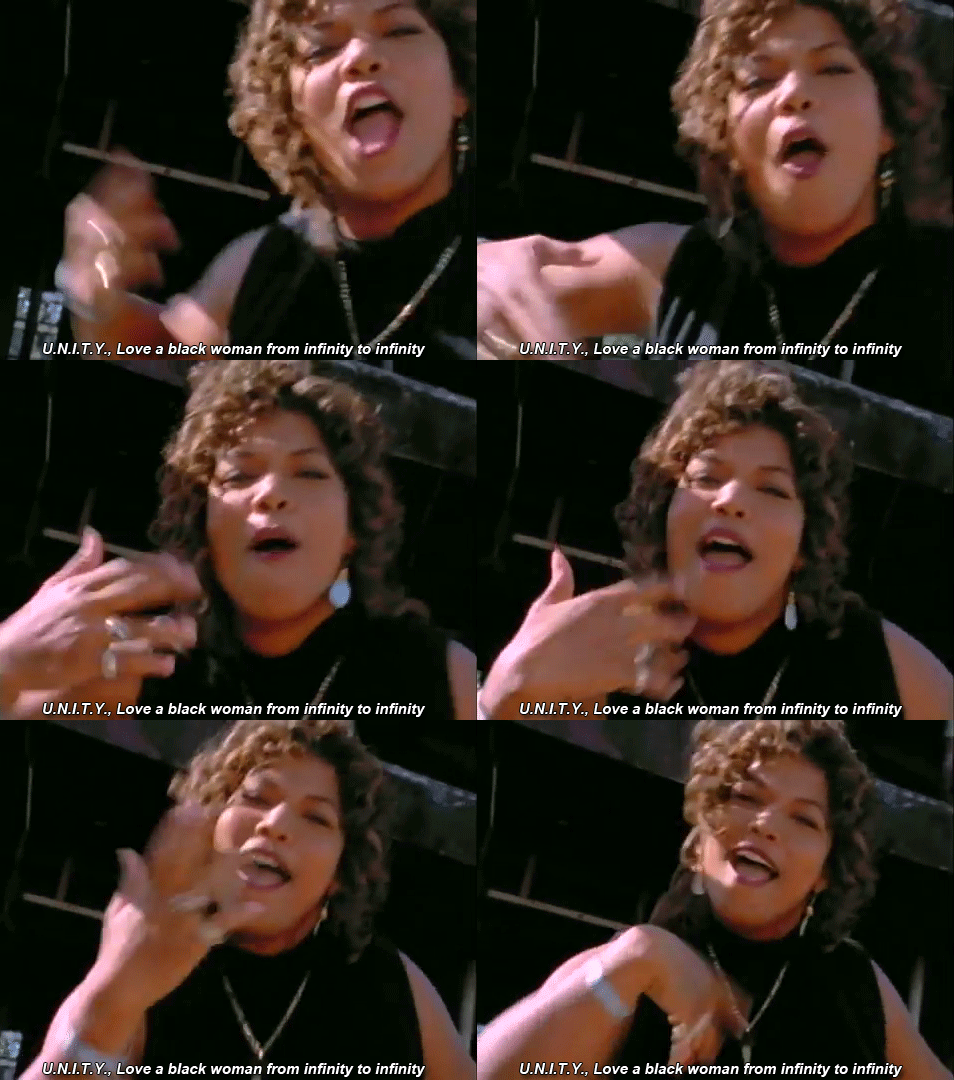
Queen Latifah’s 1999 wasn’t the end of every difficult season. It was the moment she decided that whatever came next, her legacy would not be left unprotected.
Founder Gem: You do not have to wait until the difficult season ends to begin protecting your legacy. Sometimes, the decision to protect what comes next is the very thing that marks the beginning of your next chapter.

So, where are you?
Are you still in your years of proof—building, surviving, and becoming undeniable?
Are you standing at the threshold, knowing something has to change?
Or are you already on the other side, realizing that survival alone is not the same as ownership?
Wherever you are, you have come too far, built too much, and survived too much to leave your legacy unprotected.
What’s your 1999 — in one word?
Wherever you are, you showed up. That’s not nothing.
Drop a comment—I read every one.

Want to know where your business actually stands on that gap?
Let’s talk — and make sure your name isn’t just recognized. It’s protected.
Book a Strategy Session with Firm for the Culture and let’s make sure your name isn’t just recognized—it’s protected.
Need Help Protecting Your Creativity?
If you are unsure—or if you know you need to take action—reach out to us.
We have helped countless founders and creatives safeguard their intellectual property, and we would love to do the same for you.

If you need further guidance, reach out to me and my team at Firm for the Culture.
We’re here to help you navigate the copyright, trademark, and thought leadership journey.
Can’t wait to help you protect your dynamic impact.
And #ThatsAWrap
The Doors of the Church Firm Are Open.
Come on in and share the love.
Thanks for reading
See you next time.