
Hey Fam,
I want to take you to a high school dance studio in the heart of Brooklyn, New York.
The mirrors cover the entire front wall, which means you can see everyone at once — yourself, the person beside you, the person behind you.
There is nowhere to hide.
In this room, picture me, a 14 year old young girl, trying out for my high school dance group.
Actually, don’t picture me. I just knew I couldn’t dance, but my friend convinced me to come and I wanted to support the homie…
But instead, picture this:
The song playing on the loudspeakers — the one the choreographer had chosen for auditions — was “Get Ur Freak On.”
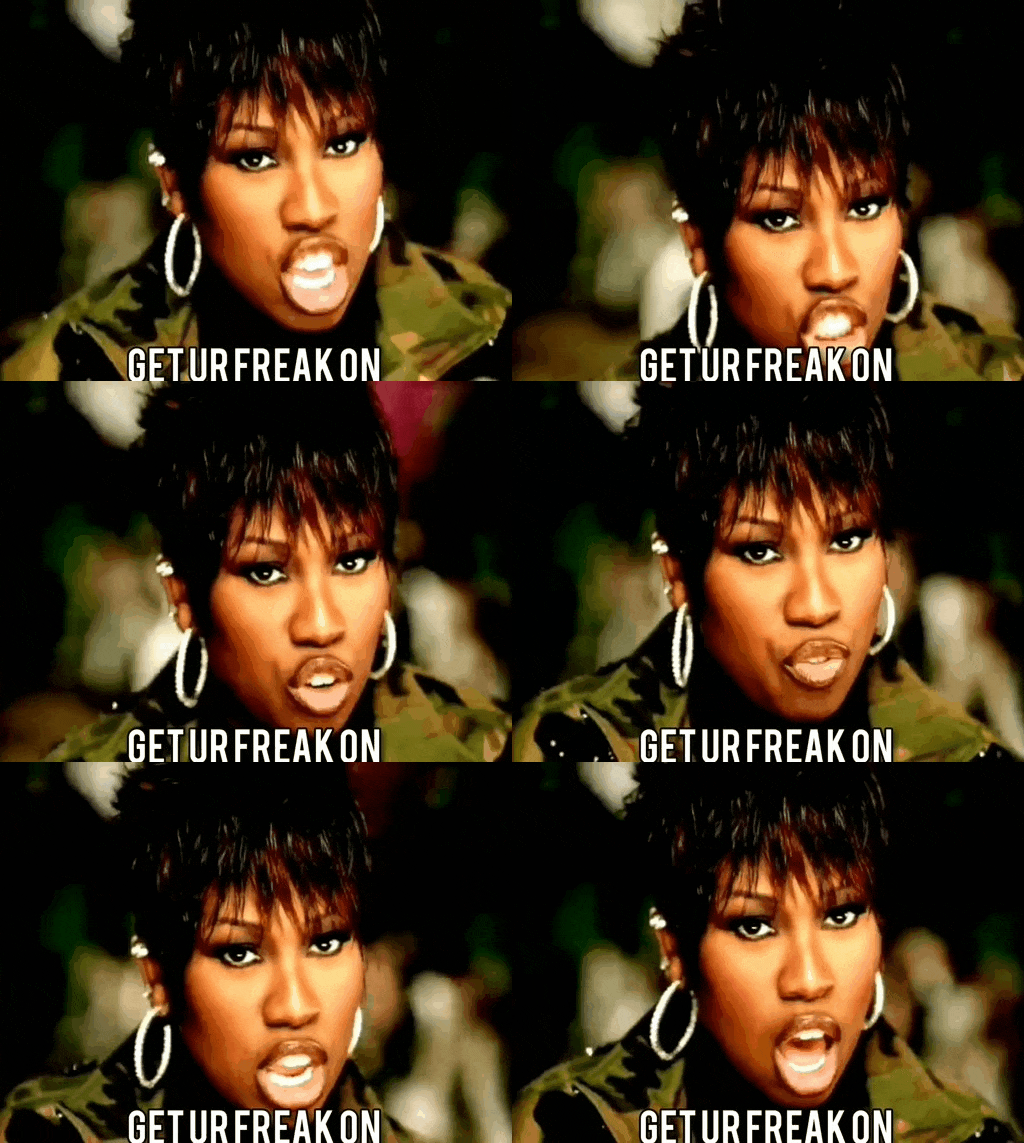
Now, by this point, the song had been out for a few years by then.
But it did not feel like it.
It still felt the way it felt the day it dropped — electric, colorful, completely alive.
Because very few can deny this: Missy Elliott creates masterpieces that, simply put, do not age.
Her music, to this very day, continues to have texture.
It has layers.
It moves in every direction at once.
And in that high school dance studio, the dancers too moved around me, in every direction, just like the song.
All while I was struggling to keep up…
Because, once again…
In the years that followed, I found my calling elsewhere. Step competitions. Singing. Drama. Other corners of the performing arts where my gifts could actually breathe.
But that moment in the dance studio stayed with me the way certain moments do — not because of what I did, but because of what I felt.
Fast forward to 2024.
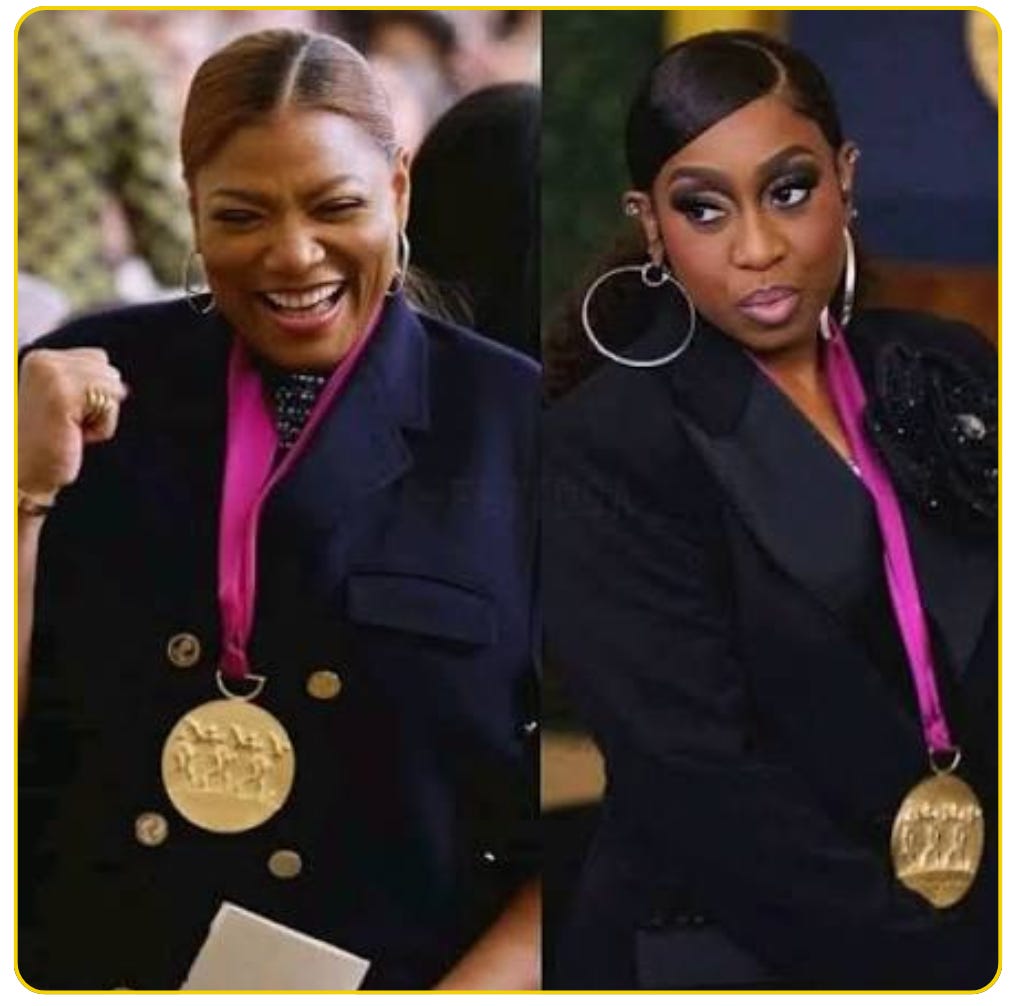
On October 21st, President Biden stood in the East Room of the White House, honoring thirty-nine recipients — among them Spike Lee, Steven Spielberg, Selena Quintanilla, Queen Latifah, and none other than THE Melissa MISDEMEANOR "Missy" Elliott, who became one of the first rappers in history to receive the National Medal of Arts, the highest honor the United States government gives to an artist.
When I saw this, the first thing I thought about was that dance studio.
The second thing I thought about — because…IP attorney… was Missy’s extensive musical catalog, as well as her impact on the industry as a whole.
This was a powerful moment in Hip Hop history.
Because less than two decades earlier, you could not pay society to take Hip Hop seriously.
And for years, decades even, pioneers like Missy walked so that many more artists could run.
And finally, Missy and many others were getting their just due.
So it makes sense that the culture read this moment as a coronation.
And it was. I am not going to argue with that.
But when I witnessed this moment in history, one word came to mind: legacy.
And not in just what she is producing for future generations, but in what she continues to protect to this very day.
For an artist like Missy Elliott, my mind goes somewhere very specific. It goes to the filings. It goes to the entity structure. It goes to the question of what she actually owns and how she makes certain her ownership stays intact.
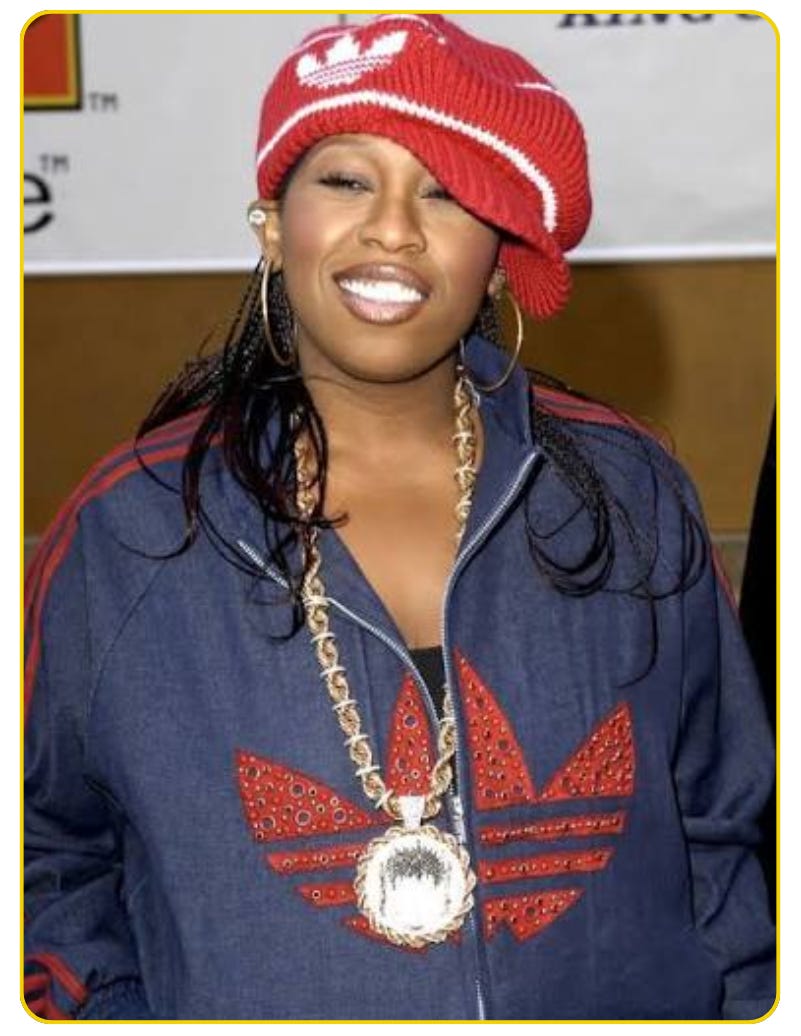
Because this is where things shift when you look at this story through a legal lens: the National Medal of Arts does not protect a single recording. It does not register a copyright. It does not establish who gets paid when someone samples your work.
Recognition confirms relevance.
The rights are a different conversation.
Missy Elliott has been creating, protecting, and producing masterpieces since the early 90’sf — which is how she arrived at that White House ceremony with something many artists at her level do not have: a legal infrastructure built beneath what she created.
So, in honor of the one and only Missy “Misdemeanor” Elliott, get ready for an IP dive into her legacy.
In this Founder's Letter, we are going to talk about the catalog she built while building herself, what it actually means when HUNDREDS of artists sample one’s work, and why, even after everything she built, she still went to court to protect what she created.
And why you should too.
Ready? Let’s get into it.

Loving This Post?
Show us some love by adding a “❤️” or commenting below; this will make our hearts sing.
Also, please share, we want this to get to as many folx as possible.

But first, Church Announcements.
Speaking of Missy…
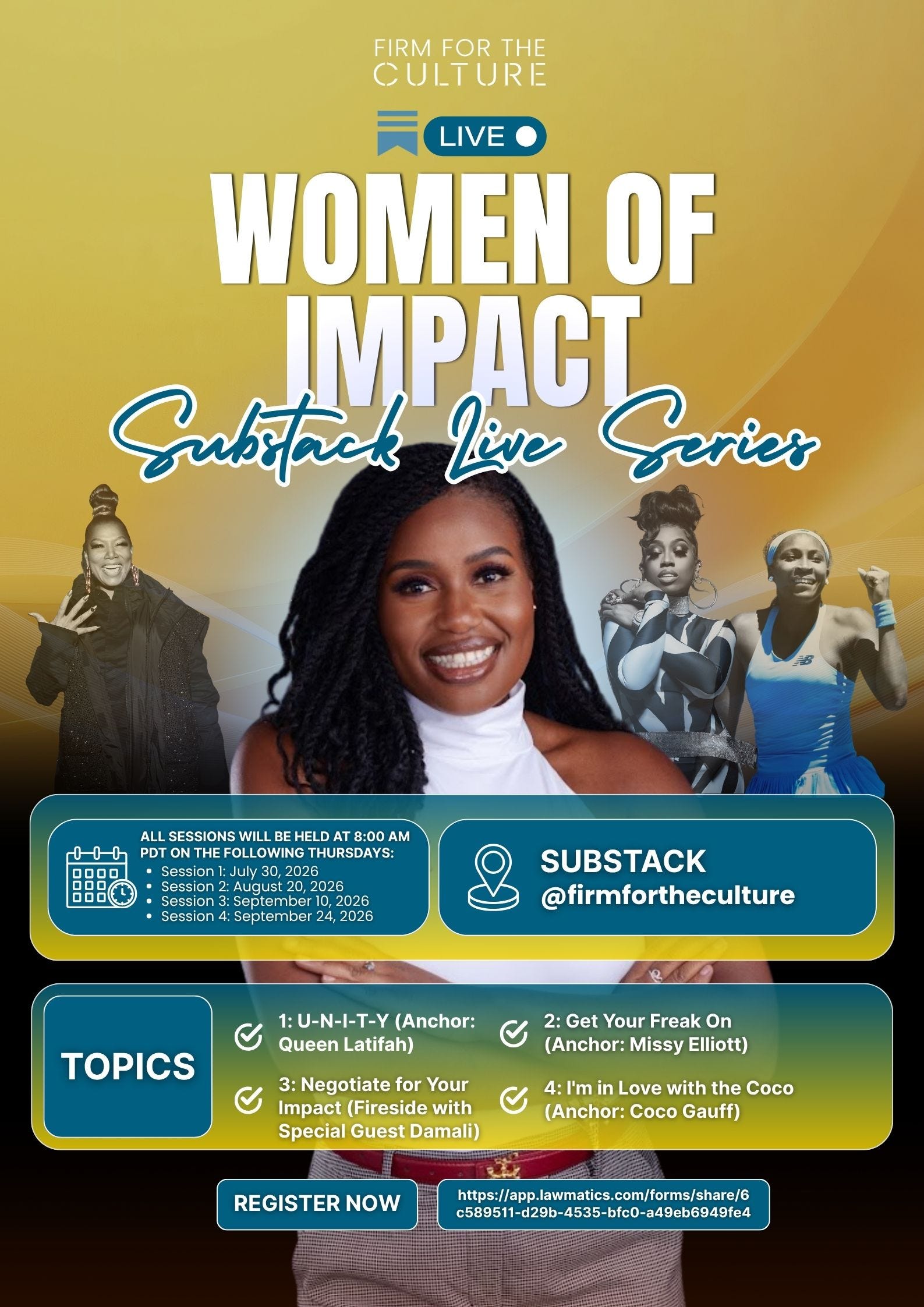
We have an upcoming Women of Impact workshop series—a four-part exploration of how influential women have protected their work, built powerful brands, and expanded their impact across industries.
July 30 — Women of Impact: U-N-I-T-Y (Queen Latifah)
Explore trademarks, licensing, and the strategies behind building a lasting brand.
August 20 — Women of Impact: Get Your Freak On (Missy Elliott)
Learn about copyright, creative ownership, and protecting original work.
September 10 — Women of Impact: Negotiate for Your Impact
Get practical guidance on negotiating confidently, communicating your value, and protecting your interests.
September 24 — Women of Impact: I’m in Love with the Coco (Coco Gauff)
Explore endorsements, image rights, NIL agreements, and personal-brand protection.
All four workshops begin at 8:00 a.m. Pacific Time, 11:00 a.m. Eastern Time.
One Click. All Four Workshops.
We have a new one-click sign-up that allows you to register for the entire Women of Impact series at once.
Sign up, even if you’re not able to attend, you’ll still get the workshop notes.
In 1996, Puff Daddy wanted to sign Missy Elliott to Bad Boy Records.
She said no.
Instead, she negotiated a deal to create her own imprint — The Goldmind Inc. — distributed through East West Records, a division of Elektra Entertainment Group.
Goldmind would be her label, her entity, and the legal structure behind everything she was about to build.
That same year, she released Supa Dupa Fly.
Both things, at the same time.
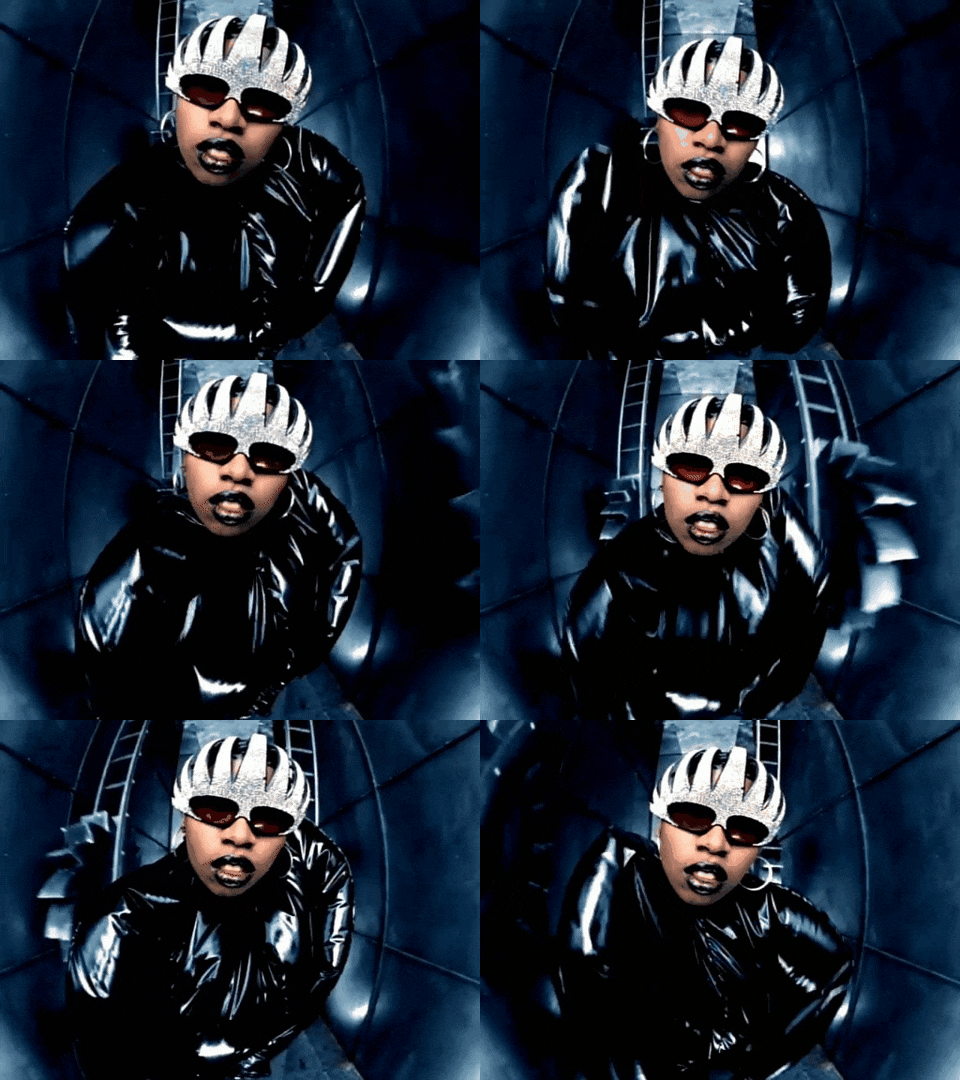
The sequencing here matters.
She did not build the career first and the business after.
She built them together, from the beginning.
So, by the time the world was singing “I can’t stand the rain…” the entity that would hold those rights already existed.
And before she ever stepped into that spotlight as a solo artist, she had already been writing, or what we call in the industry, publishing.
Janet Jackson. Whitney Houston. Aaliyah. Mariah Carey. Destiny’s Child. Beyoncé.
Years before her debut album, Missy Elliott had been building a songwriting and production catalog that would become one of the most valuable in the history of hip-hop.
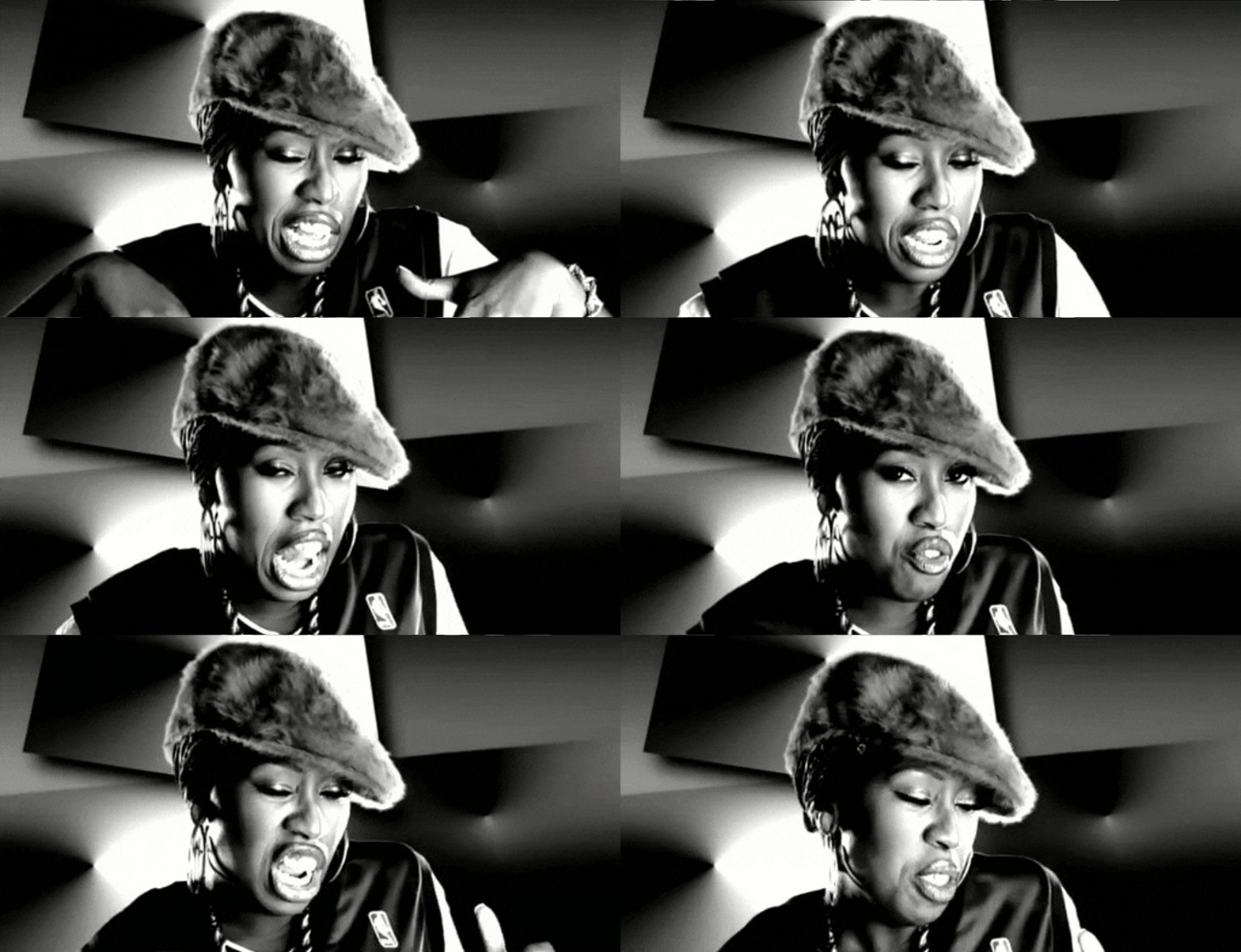
In 2019, she became the first female rapper inducted into the Songwriters Hall of Fame.
All because her publishing catalog — the compositions she wrote, the melodies she built, the tracks she produced for other artists — became a monumentally lucrative revenue-generating asset.
It has been earning since before most people knew her name.
This is what a catalog looks like as legal infrastructure.
Not just as artistry.
Founder Gem: The business entity and the creative work should be built together — not in sequence. By the time the world is paying attention, the structure that holds your rights should already be in place.
According to WhoSampled, over 400 songs have sampled Missy Elliott’s catalog.
Drake. J. Cole. Cardi B. BIA. Megan Thee Stallion. Brent Faiyaz. Wale. Isaiah Rashad. Skrillex.
Every single time that happens, a publishing royalty is triggered.
Who receives the royalties depends on who holds the underlying rights — specifically, the rights to the composition that was sampled.
And for many of those songs, those rights belonged to Missy.
That is what a properly structured catalog can do. It continues to generate — in studios, in courtrooms, and everywhere in between — because the underlying rights are held by an entity positioned to exercise them.
I ain’t gonna hold you, fam…
I. LOVE. THIS.
The numbers, stats, the data, the filings - everything that lives beneath the cultural story.
Because those numbers, those stories, those filings turn into so much more - the publishing splits.
The mechanical royalties (for CDs, vinyl, streaming, etc.).
The sync licensing fees that flow from a catalog this deep.
And they are worth understanding, because they are not separate from the legacy.
They are the legal architecture of it.
So when a new artist samples “Get Ur Freak On” — and they will — this is more than a tribute.
It is a financial transaction.
Whether Missy Elliott benefits from that transaction comes down to what she owns, how it is documented, and what entity holds it.
This is something I walk clients through regularly.
Why? Because influence and ownership are not the same thing.
Yes, they can coexist — and when they do, it is because someone made a deliberate decision to build both.
And that is what I want for each and every one of you.
Founder Gem: Sampling is not just flattery. It is a financial transaction. Whether you benefit from it depends entirely on whether your rights are properly structured and documented before the sample ever gets cleared.

You would think that after more than 25 years in the industry, Missy could rest on her laurels and simply enjoy the fruits of her labor.
Think again.
Even with an extensive catalog in hand, Missy still had to file a lawsuit to get her rights recognized.
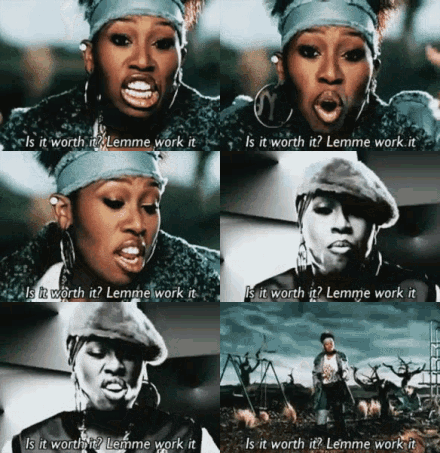
In 2024, she filed for declaratory relief, asking the court to declare and confirm that she was the sole owner of several early recordings, including songs she wrote for Aaliyah.
Pause.
Let’s take a moment to recognize something important.
Missy fought for these rights well into her career, long after the season where she was young and without leverage.
Long after the Grammys, or the Songwriters Hall of Fame, or the Rock and Roll Hall of Fame, or the National Medal of Arts.
Long after all of it.
Despite all of it.
And perhaps, because of all of it.
Here’s what I am trying to say:
Registration is not enough. Simply having a copyright is not enough. Simply having a trademark is not enough.
Why? Because copyrights can be canceled. Trademarks expire. Ownership can be challenged.
So if you want legacy, like truly want it (and not just saying it), you have to properly steward your impact.
And that takes strategy. Time. Financial investments and a team with you.
Because, here’s the thing, protecting your legacy is not a one-time event. It is a lifelong, consistent journey of stewardship.
We tell our clients this all the time, and it is hard for a lot of them to hear.
And it makes sense why.
After all, many of us are still learning that IP protects what we’ve created.
That we don’t have to be spotify, meta, or google to have intellectual property worth protecting.
That our courses, our speeches, our books, our diverse contributions matter.
But even after we learn that IP can protect what we create, we are then sold a story that the journey stops at the trademark registration.
That there is little to do after the filings.
And that we are done in our process.
We all see the IG posts, the proud acknowledgments of undergoing a protracted roller coaster journey to get to the finish line of trademark or copyright protection.
But I'm here to tell you this “finish line” is not a finish line at all.
It's a checkpoint — a single mile marker in a much longer race that doesn't end until you've built the habit of protecting, enforcing, and renewing what you've claimed.
Missy knows it.
And it’s time we recognize it as well.
Think of it like buying a house. You cannot just purchase it and walk away — you have to maintain it if you want to pass it down to future generations.
If you want legacy tomorrow, you have to steward it today.
Ownership is not a destination. It is an ongoing practice.
Founder Gem: Recognition does not confirm your rights. It confirms your relevance. The ownership has to be established, documented, and — when necessary — actively defended. Even when the culture already knows the answer.

Suffice it to say, I did not make the dance group.
And I think about that sometimes with a kind of gratitude, because the path that opened after that audition was the one I was meant to be on.
The step competitions. The singing. The work that eventually led me to Berkeley Law, to a federal judicial clerkship, and to a firm built around protecting people who create things the world cannot ignore.
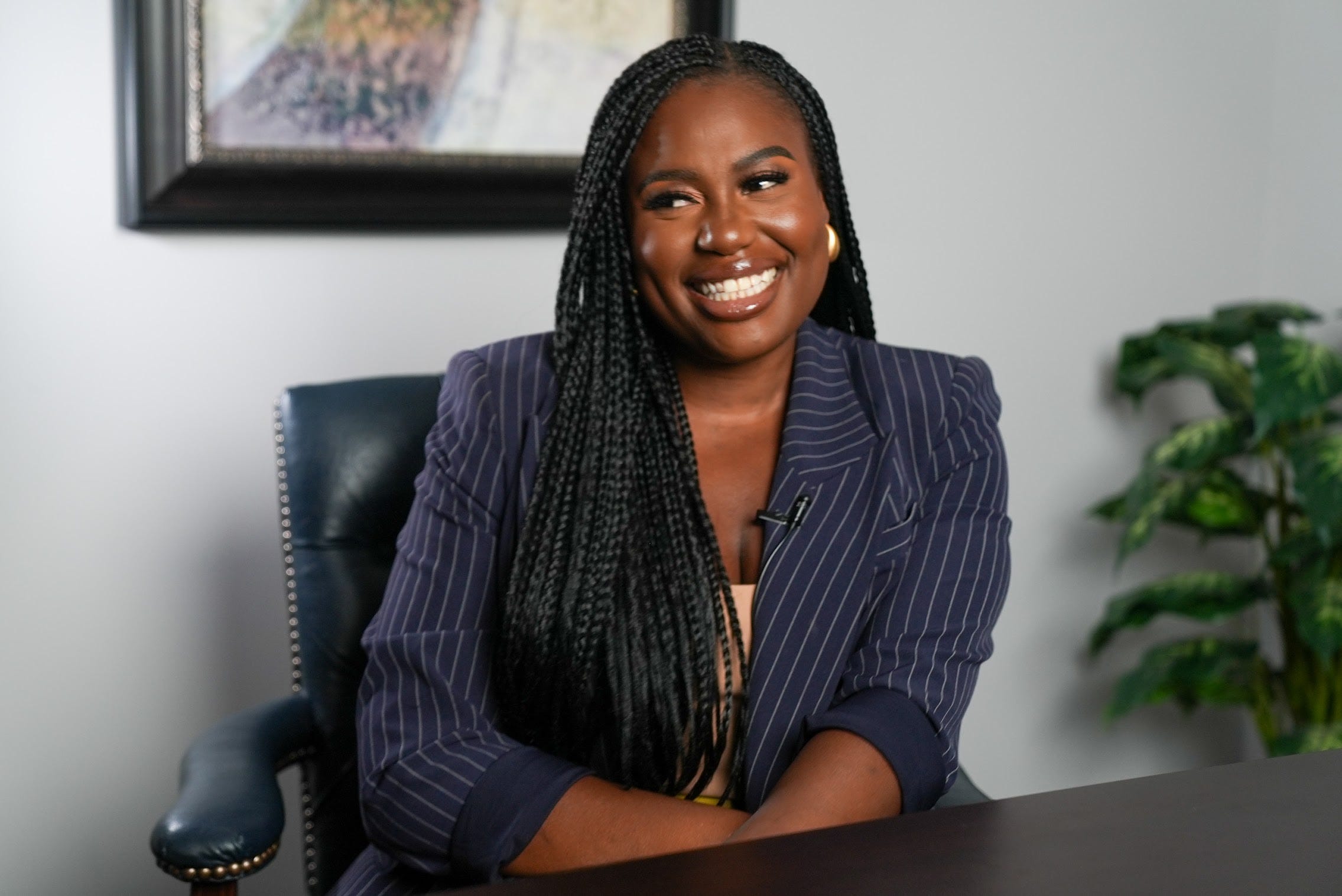
But I have never forgotten what it felt like to be in that mirror, listening to a song so layered and alive that the room could barely contain it.
Missy Elliott made that song.
And she went on to make hundreds more songs like it.
She wrote them for herself and she wrote them for some of the biggest artists on earth. She built a label to hold them. She filed the paperwork to protect them. And when someone challenged her ownership of the earliest ones, she went to court.
The Medal of Arts is a beautiful thing. It is the institution finally saying what the culture has known for decades.
However, what it did not do is build the infrastructure.
That part was always on Missy.
And she did it — not once, at the beginning, but continuously, all the way through.
That is what legacy looks like when it is both cultural and legal. And that is the standard I think about every time a founder sits across from me with something brilliant and unprotected in their hands.
The work is not enough on its own. The work plus the structure and the ongoing stewardship — that is what lasts.

Is there something you have built that you have not fully documented or registered yet? And what has been keeping you from taking that next step?
Drop a comment—I read every one.

Want to know where your business actually stands on that gap?
Let’s talk — and make sure your name isn’t just recognized. It’s protected.
Book a Strategy Session with Firm for the Culture and let’s make sure your name isn’t just recognized—it’s protected.
Need Help Protecting Your Creativity?
If you are unsure—or if you know you need to take action—reach out to us.
We have helped countless founders and creatives safeguard their intellectual property, and we would love to do the same for you.

If you need further guidance, reach out to me and my team at Firm for the Culture.
We’re here to help you navigate the copyright, trademark, and thought leadership journey.
Can’t wait to help you protect your dynamic impact.
And #ThatsAWrap
The Doors of the Church Firm Are Open.
Come on inthat and share the love.
Thanks for reading
See you next time.
❤️❤️❤️