

Hey Fam,
Admit it.
Some of you don't like Ryan Coogler's choice for the new Black Panther.
But you're still going to watch the movie.
Let me tell you why.
But first, let’s review.
The conversation around Black Panther 3 has been fascinating to watch.
Ryan Coogler took the stage at Comic-Con and revealed David Jonsson as the new Black Panther, stepping into T’Challa’s grown son.
Letitia Wright and Winston Duke stood behind him, both confirmed to return.
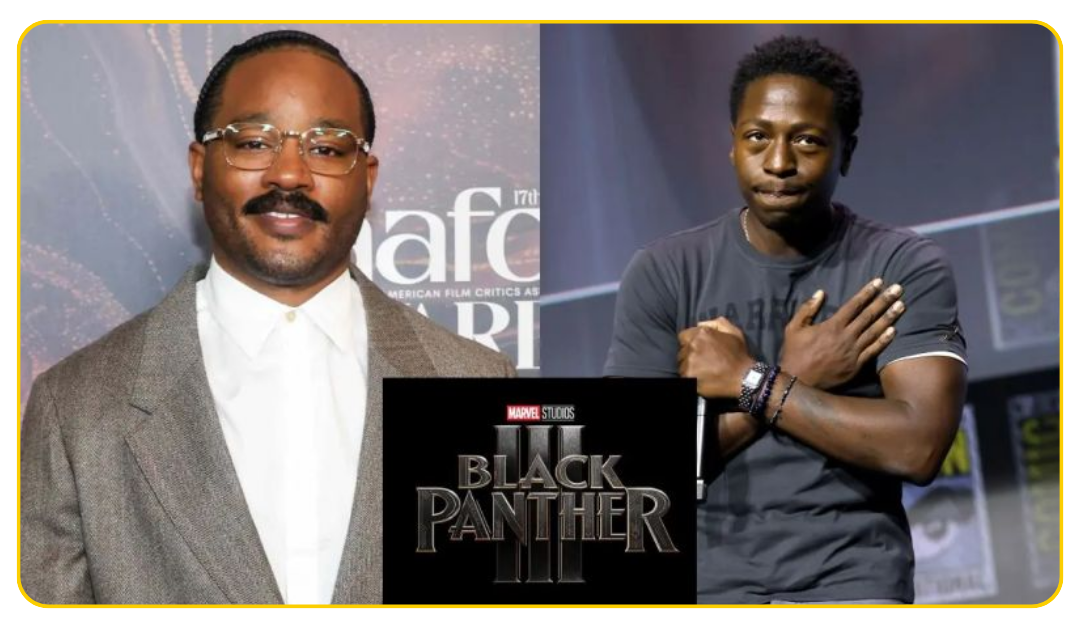
But one comment kept standing out to me more than any casting reveal.
Winston Duke, right there on stage, said it plainly: the audience trusts Ryan Coogler.
And that got me thinking.
Why do so many people trust a director before they’ve even seen a single frame of what’s next?
Let me say the quiet part out loud.
We don’t simply trust Ryan Coogler because he’s Ryan Coogler.
We trust him because he’s spent years giving us reasons to.
Think about it…
Fruitvale Station.
Creed.
Black Panther.
Sinners.
One story after another. One win after another. Each one a reminder that excellence leaves receipts.
Winston may not have realized it, but he was talking about intellectual property.
And all because the trust Coogler has cultivated is inseparable from what he has created—and from the impact those creations have had on his community and the culture at large.
That’s why we trust Ryan.

When people say they trust Ryan Coogler, what they’re really saying is: I’ve seen his body of work.
His “receipts,” some may say.
Every film he’s created has become another reason for people to believe in whatever comes next.
Every file he’s created is the very IP that we return to time and again.
And fam, you need to pay attention to that.

Trust isn’t simplt something you ask people for.
It’s something you build.
Project by project.
Client by client.
Product by product.
Every trademark you file.
Every book you publish.
Every podcast you launch.
Every business you build.
Every promise you keep.
It all becomes part of your body of work.
And your ability to adequately protect and steward this work is what builds for long term trust and sustainability.
I’ve sat across from founders who have all of that — the reputation, the following, the years of proof — and none of it legally protected.
And when it’s not protected, someone can take it, change it, and use it to undermine the very trust you’ve built in your community at large.
Creation without structure. Building without ownership. Visibility without protection.
Let’s make sure we don’t go down this path anymore.
In this Founder’s Letter, we’re going to talk through how you obtain and sustain trust in a world where your intellectual property often speaks to your consumers before—and louder than—you ever could.
We’ll explore how your track record becomes collateral, how to negotiate beyond default agreements that were never designed in your favor, and how ownership gives you the leverage to bring others with you.
Ready?
Let’s get into it.

Loving This Post?
Show us some love by adding a “❤️” or commenting below; this will make our hearts sing. Also, please share, we want this to get to as many folx as possible.

But first, Church Announcements!!
Missed last week's live session? The full recording of “U-N-I-T-Y” is now available for paid subscribers here:
The workshop notes, though, are still free—grab them here before they move behind the paywall too.
And sign up for our upcoming worshops!
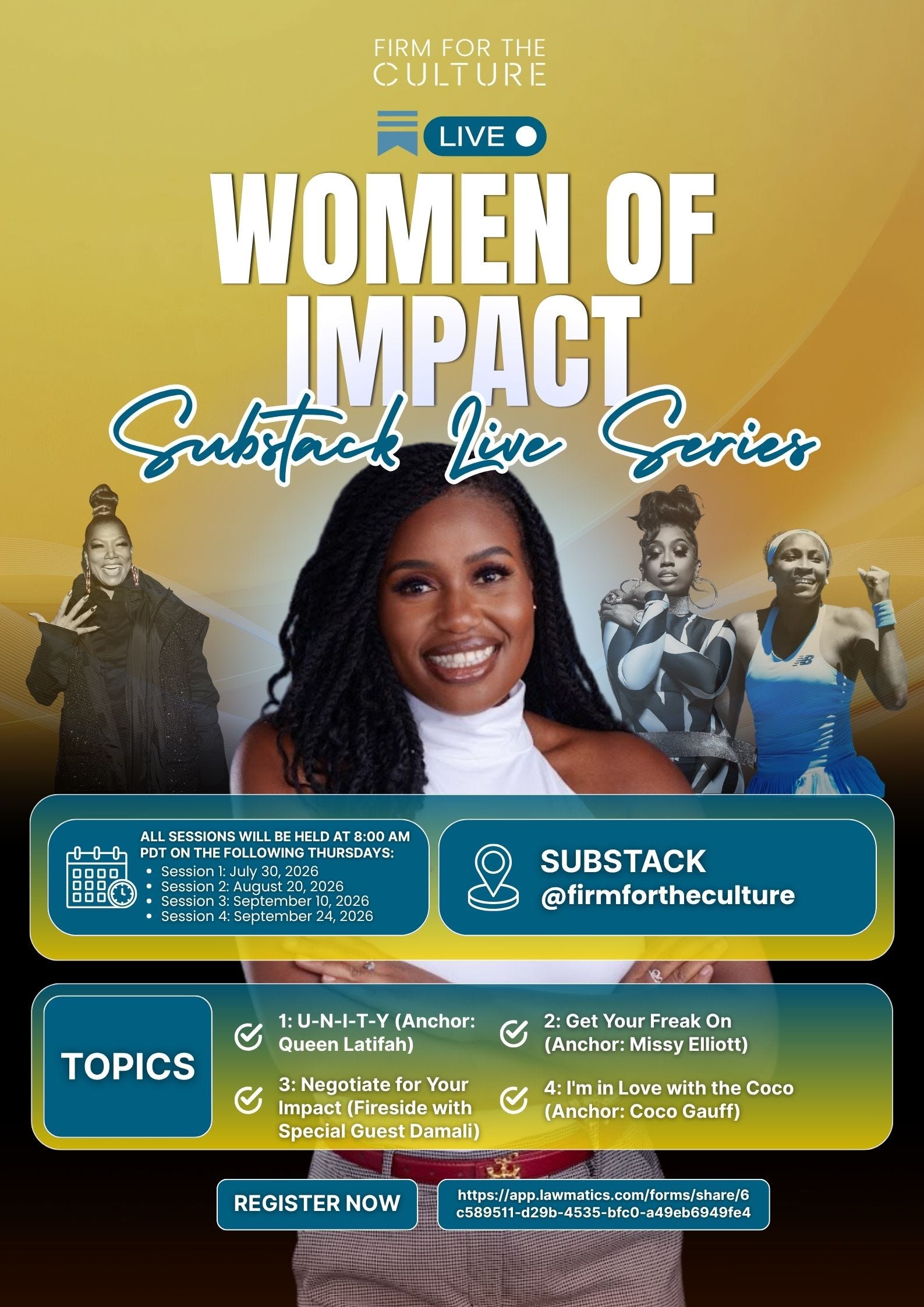
August 20 — Women of Impact: Get Your Freak On (Missy Elliott)
Copyright, creative ownership, and protecting original work.
September 10 — Women of Impact: Negotiate for Your Impact
A fireside chat with Damali Peterman on negotiating confidently and protecting your interests.
September 24 — Women of Impact: I’m in Love with the Coco (Coco Gauff)
Endorsements, image rights, NIL agreements, and personal-brand protection — Coco is building toward her own 1999 right now, and we’ll talk about exactly what she should be locking down.
All four workshops begin at 8:00 a.m. Pacific Time, 11:00 a.m. Eastern Time.
One Click. All Workshops.
We have a new one-click sign-up that allows you to register for the entire Women of Impact series at once.
Sign up, even if you’re not able to attend, you’ll still get the workshop notes by email.

Coogler’s numbers aren’t a secret.
Fruitvale Station put him on the map in 2013 — made for under $1 million and built entirely on a true story he refused to sensationalize.
Creed proved it wasn’t a fluke, resurrecting a franchise nobody thought had another chapter left in it.
Black Panther grossed $1.3 billion worldwide with seven Oscar nominations, including Best Picture.
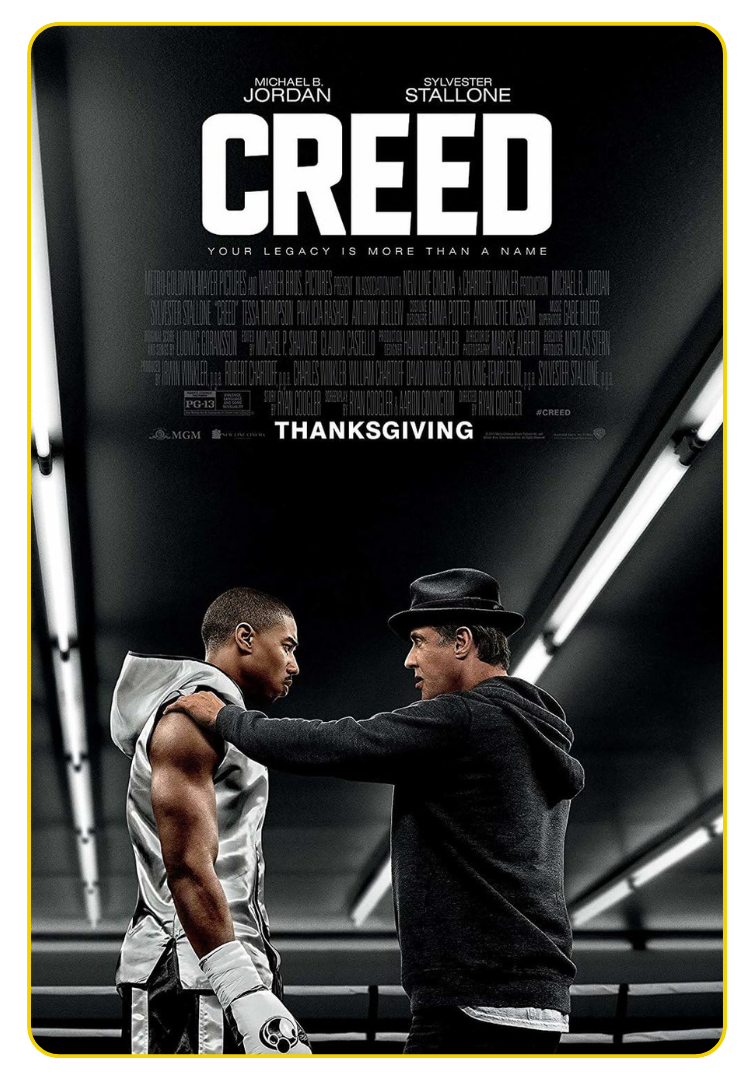
Sinners became the most Oscar-nominated film in history, with sixteen nods, after opening to $60 million domestic on an original idea nobody had heard of before the trailer dropped. By his own account, his films have earned Hollywood over $2.5 billion.
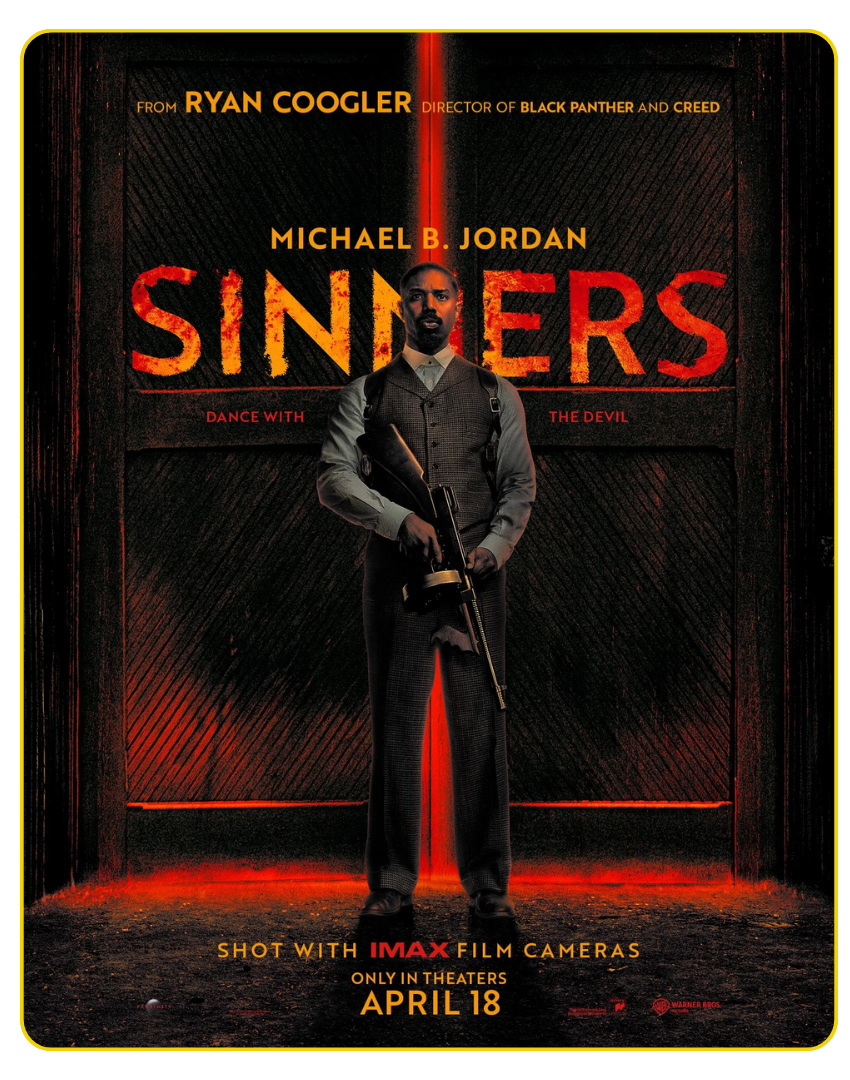
That’s not luck or simply a flex.
That’s a portfolio — the same thing that gives a studio, a bank, or a licensing partner something to point to before they’ve read a single new page.
In other words, it’s equity.
Every film he protected and finished became proof the next deal could stand on, which is exactly why Warner Bros. was willing to hand him terms most directors never see.
Founder Gem: Your track record isn’t just history — it’s collateral. Every project you finish and protect becomes proof the next person can point to before they ever meet you.

Then there’s the Sinners deal itself.
Warner Bros. gave Coogler first-dollar gross participation, final cut privilege, and full rights reversion — ownership of Sinners comes back to him outright in 2050, twenty-five years after release.
That reversion clause is rare enough that entertainment attorneys were still debating it in the trades months after the film opened, with some studio executives openly worried it would reset expectations across the industry.
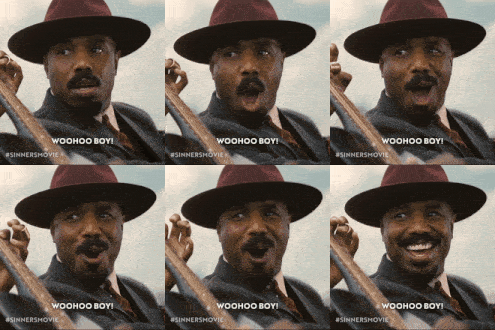
Most creators never ask what happens to their work a quarter-century out. They sign, they cash the check, and the studio owns it forever.
Coogler refused that default.
Why? Because the default contract is almost never in your favor, you have to read and understand what you are literally signing up for.
If you recall, we talked about a dynamic version of this same playbook in “All Hail the Queen” — Flavor Unit Entertainment holding the production rights to The Equalizer while Queen Latifah collected an acting fee on a separate contract entirely.
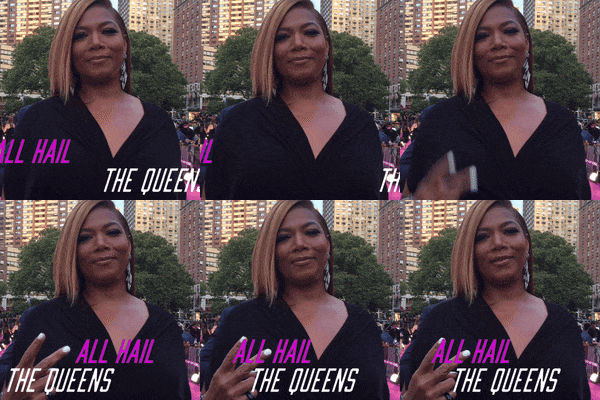
Different timeline, different medium, same principle: know which position in the deal actually owns the IP, because that’s the position that keeps paying long after the credits roll.
Founder Gem: The default agreement is never written in your favor. If you don’t negotiate for what happens to your work in year 25, someone else decides for you.

And here’s the piece I think people feel but don’t always name.
Coogler’s ownership is more than a personal upside.
It’s what gave him the standing to hand-pick David Jonsson for one of the most scrutinized roles in franchise history, and to build Michael B. Jordan into a leading man across five films together, starting all the way back at Fruitvale Station when neither of them had the résumé they have now.
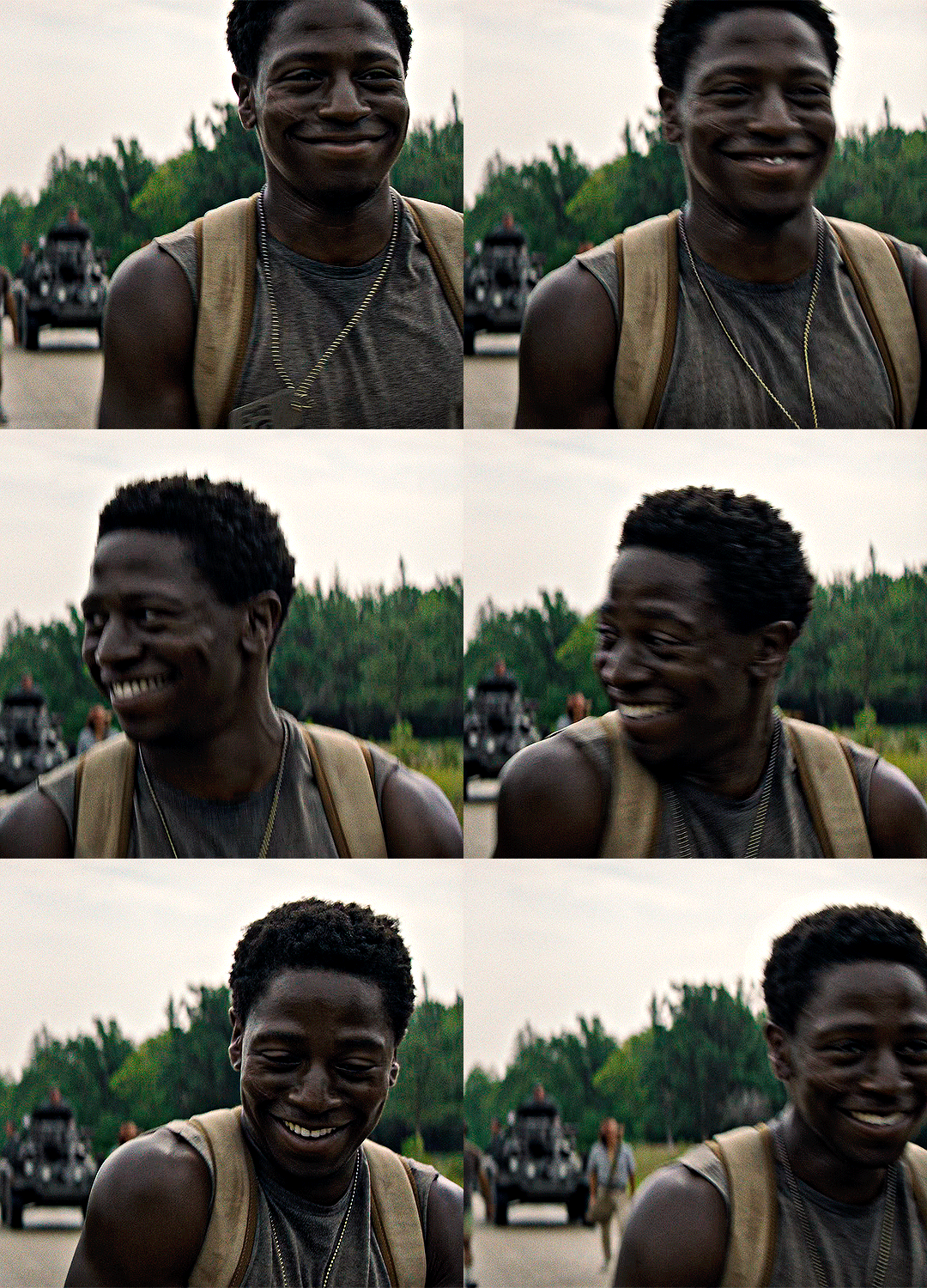
Ownership is what let him decide who gets to walk through the door with him — not a casting director, not a studio executive, him.
That’s a different kind of legacy than a box office number.
It’s the difference between building something and building something that builds other people.
Founder Gem: Ownership isn’t just protection for you — it’s leverage to bring other people up with you. What you protect becomes what you get to share.

I’m genuinely excited to see what Ryan Coogler builds next.
Not because I know what the project will be, but because he’s spent years showing us exactly who he is.
People don’t trust Ryan Coogler because of what he says.
They trust him because of what he’s spent years building — and what he’s done with the leverage that trust bought him.
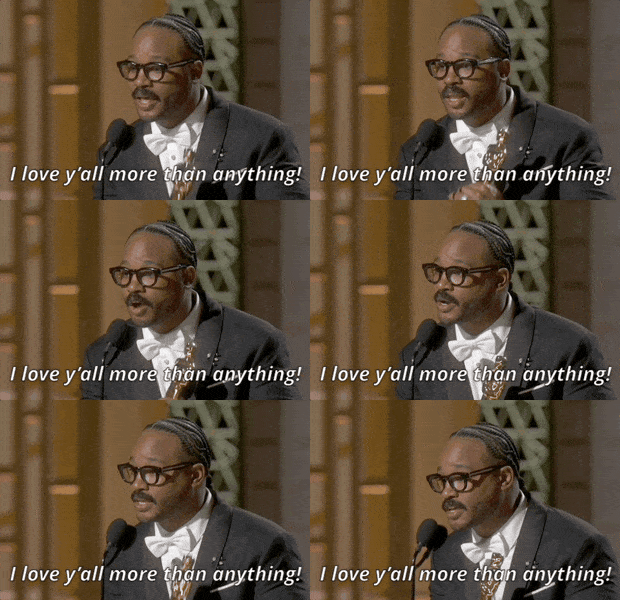
That’s the power of a strong body of work. It’s not just the thing you point to. It’s the door it lets you open for somebody else.

So here’s my question for you: what’s in your body of work right now that you haven’t protected yet?
Drop a comment—I read every one.
Want to know where your business actually stands on that gap?
Let’s talk — and make sure your name isn’t just recognized. It’s protected.
Book a Strategy Session with Firm for the Culture and let’s make sure your name isn’t just recognized—it’s protected.
Need Help Protecting Your Creativity?
If you are unsure—or if you know you need to take action—reach out to us.
We have helped countless founders and creatives safeguard their intellectual property, and we would love to do the same for you.

If you need further guidance, reach out to me and my team at Firm for the Culture.
We’re here to help you navigate the copyright, trademark, and thought leadership journey.
Can’t wait to help you protect your dynamic impact.
And #ThatsAWrap
The Doors of the Church Firm Are Open.
Come on it and share the love.
Thanks for reading
See you next time.