

Hey Fam,
It was the reunion we never saw coming.
Last week, I was casually scrolling through clips from the final night of Beyoncé’s Cowboy Carter tour when it happened.
Kelly.
Michelle.
BEYONCÉ.

A sea of fans.
And then Beyoncé grabbed the mic, looked out into the crowd, and said:
“It’s Destiny’s Child, b*tch.”
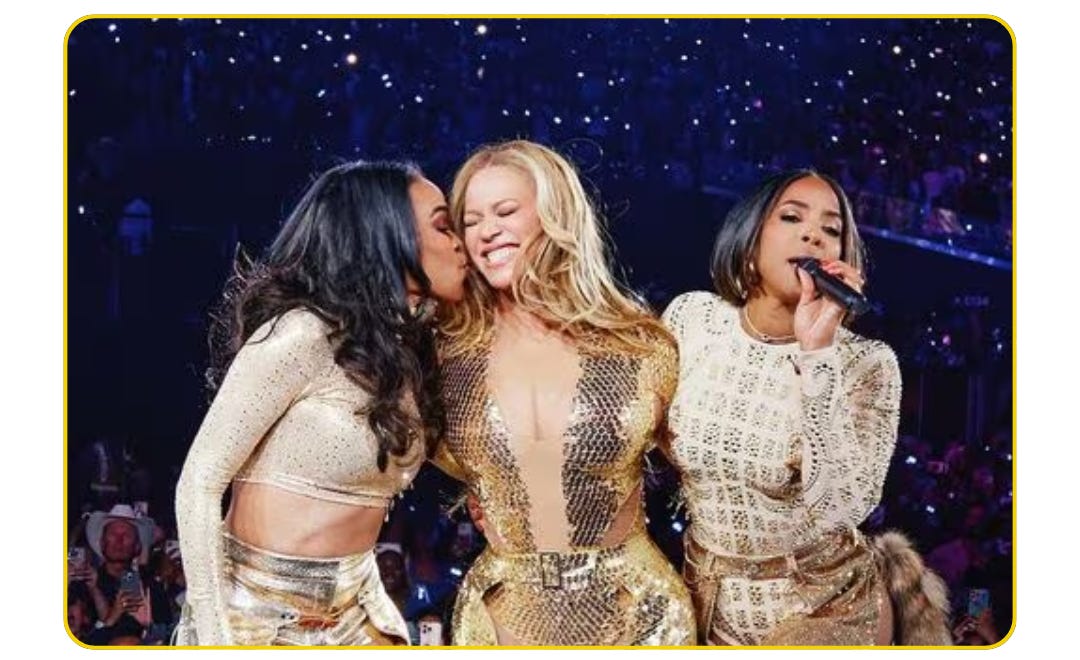
The internet exploded.
Fans screamed.
My legal brain... paused.
Because for the first time in recent memory, Beyoncé didn’t just bring out Destiny’s Child—she named it.
Out loud. Boldly. Unapologetically.
As an intellectual property attorney for the culture, that moment wasn’t just nostalgic—it was legally defining.
So, I did what I always do…I did some legal perusing (I probably need to get out more… but honestly, these deep dives are my happy place, so let me live).
And here’s what I learned.
The name “Destiny’s Child” isn’t owned by Beyoncé.
It’s owned by her father, Mathew Knowles.
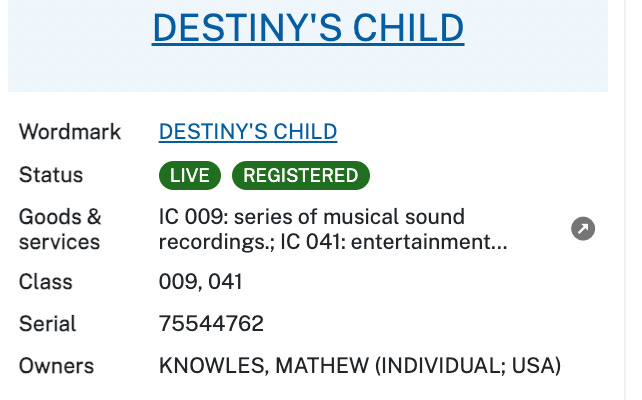
In fact, he holds several federal trademark registrations to the name in connection with everything from entertainment services and recordings to clothing and photographs.
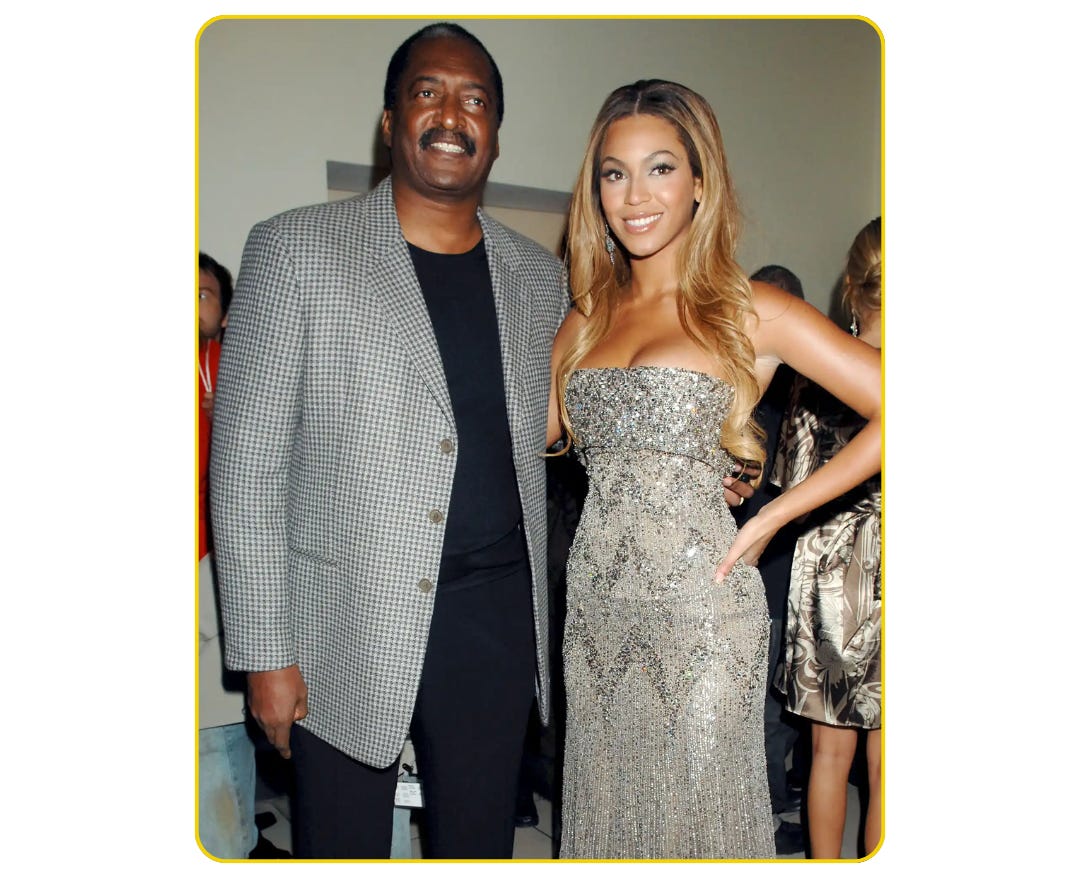
So after Beyoncé and Mathew Knowles parted ways professionally—and Beyoncé launched Parkwood Entertainment—it made sense that she’d avoid using the name.
After all, she didn’t legally control it.
Which is why hearing her say it onstage…lit up my legal spidey senses.
And while I can neither confirm nor deny what occurred behind closed doors or in private negotiations, I strongly believe something has definitely shifted.
And because moments like this offer real lessons for entrepreneurs, creatives, and founders building legacies of their own, we’re going to explore how you too can make IP moves as silently as a “g” in lasagna.
In this Founder’s Letter, we’re diving into three takeaways about ownership, silence, and what shifts in power can look (and sound) like—onstage and off.
Ready?
Let’s dive right in.
Loving This Post?
Show us some love by adding a “❤️” or commenting below; this will make our hearts sing.
But First, Church Announcements:
We’ve got a new free guide just for you!

If you’re a social entrepreneur building something meaningful, don’t just make it memorable—make it legally yours.
📘 Download our Free 10 Ways to Protect Your Artistic Vision here
This must-read resource is designed for thought leaders, coaches, and consultants who want to lead with their ideas—without fear of theft or dilution.
If you’re building a values-driven, culturally rich brand, this guide walks you through exactly what needs protecting: your business name, logo, course titles, podcast, recorded content, books, and signature events.
You’ll learn the key differences between trademarks and copyrights, how to use both strategically, and why protecting your creative assets isn’t just smart—it’s essential.
Whether you’re just getting started or scaling your impact, this guide will help you own your genius and build boldly.
Your work deserves more than a logo. It deserves a legal legacy.
Already downloaded your freebie?
Here’s something else worth your time.
Calling All Black Women Lawyers Who Are Done With Burnout
You’ve built the career. Now it’s time to build your sustainability.
Our brilliant friend and client of the Culture, Sherri S. Wick, is launching a transformative 12-week program made just for high-achieving Black women lawyers who are ready to protect their peace, realign with purpose, and lead without losing themselves in the process.
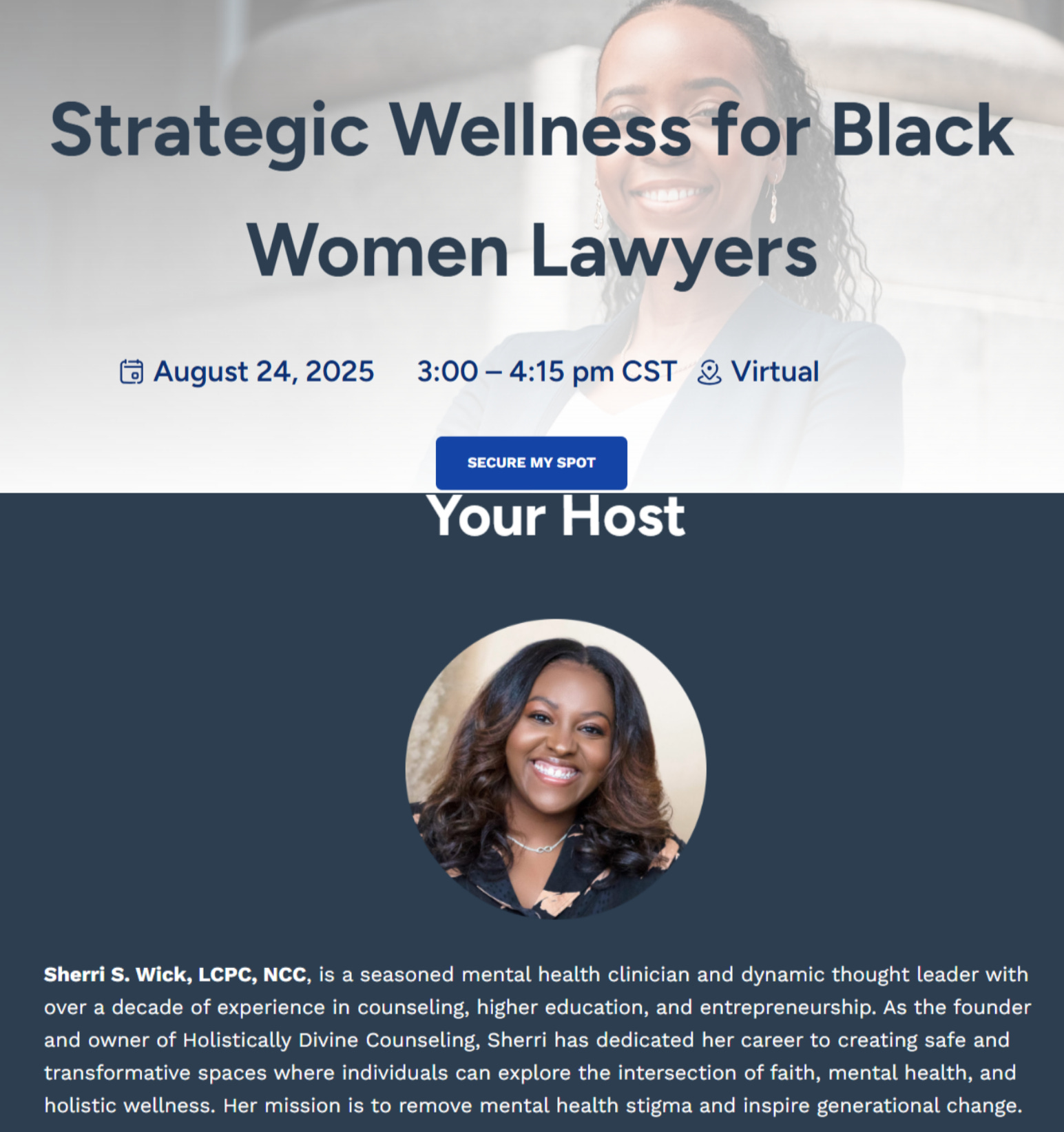
✨ Strategic Wellness for Black Women Lawyers
🗓️ Starts August 24, 2025 | ⏰ 3:00–4:15 PM CST | 💻 Virtual
This is more than coaching. It’s a sacred space.
Expect real talk, spiritual integration, live weekly sessions, and tools you can actually use—led by a powerhouse clinician and leader who gets it.
Now, back to our regularly scheduled program…. :)

You can be the heart, soul, and voice of a brand—and still not legally own it.
And to be honest, this is not all that uncommon.
Indeed, this very paradox is at the core of trademark law and why Beyoncé’s relationship to “Destiny’s Child” is so fascinating.
Because let’s be honest…Beyoncé, Kelly, and Michelle ARE Destiny’s Child in the cultural consciousness.
To the world, they embody the name.
Yet legally, ownership lies with Mathew Knowles.
And it’s this very gap between perception and control where many founders and creatives stumble.
Why the Disconnect Happens
Early Contracts: Creators often sign early deals handing over IP rights in exchange for exposure or funding, not realizing the long-term cost.
Trusting Relationships: Ownership is sometimes ceded to managers, parents, family members, labels, or investors under the assumption that relationships will last forever.
Focus on Creation, Not Protection: Artists pour everything into the art, but neglect the paperwork that secures their rights.
And we’ve seen it far too often with the clients we serve as well.
…and that’s wack.
But Here’s Why It Matters
When you don’t own your name—or your brand—you’re at the mercy of whoever does.
They decide where it can appear, how it’s monetized, and under what terms you can even reference it.
This is why Beyoncé’s moment hits so hard.
For years, she avoided saying “Destiny’s Child” outright because the rights weren’t hers to wield.
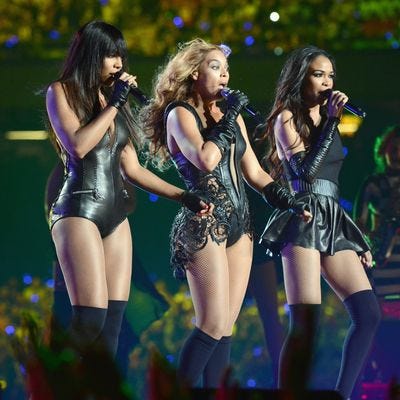
And that wasn’t pettiness—it’s legal prudence. Here’s a quick timeline:
Reunion Events — Spoken “Destiny’s Child”?
Super Bowl XLVII (2013): No
Michelle’s “Say Yes” (2014–15): No
Coachella (2018): No
Renaissance Tour (2023): No
Cowboy Carter Finale (2025): Yes — explicitly spoken onstage
So…what are some lessons entrepreneurs & creatives can take from this?
Visibility ≠ Ownership. Don’t confuse public recognition with legal control.
Paperwork Protects. Contracts and registrations are what the system honors—not cultural contributions alone.
Audit Your Assets. Know what IP you truly control, and where gaps exist.
This analysis will serve you in the long run and set your brand up for success, and hit us up if you’d like a legal audit.
We’ve got you.

For years, Beyoncé barely uttered the name “Destiny’s Child” in public. Not out of shade—but likely out of legal awareness.
Using a trademark you don’t own can invite infringement claims—even when family is involved.
Her silence may have been a form of protection. And that protection speaks to how even icons have to navigate systems that don’t automatically reward cultural contribution with legal control.
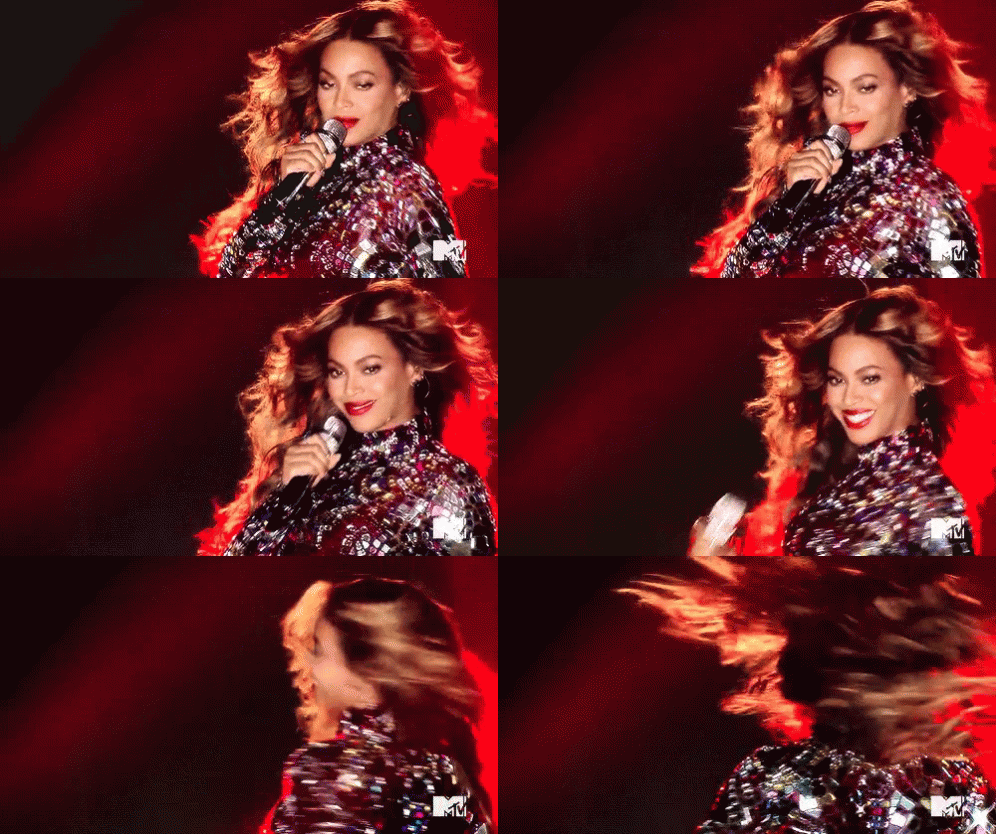
Why Silence is Sometimes the Smartest Move
Minimizes Legal Exposure: Every public use of a trademark has legal weight. Silence avoids creating situations where permission is assumed or rights are challenged.
Prevents Confusion: Not saying the name keeps clear lines between the current brand (Parkwood) and the one you don’t control.
Buys Time: Sometimes, NOT speaking gives you leverage. Indeed, silence is one of my favorite negotiation tactics because the other side has NO idea what we’re thinking. Silence can signal nothing and everything about your strategy, leaving lots of room and space for negotiation behind the scenes.
The Broader Lesson for Creators
Even icons like Beyoncé must navigate systems where ownership—not cultural contribution—dictates control.
You can create something, nurture it, and make it legendary… but if you don’t legally hold the rights, you have to play by someone else’s rules.
In such cases, strategic silence becomes a shield.
This is true whether you’re:
A founder who handed over too much equity.
A creative who signed away their masters.
An entrepreneur who forgot to trademark their own name.
The Takeaway
Silence isn’t passive.
It’s active, protective, and sometimes the most powerful move on the board.
It’s the pause before reclaiming control—because speaking too soon, without the paperwork to back it up, can cost you more than words.

So when Beyoncé said it—really said it—my mind went straight to one thing:
Something behind the scenes must have changed.
Maybe a licensing deal.
Maybe a renewed working relationship.
Maybe explicit permission.
Whatever it is, that one sentence onstage may signal the beginning of a new era of collaboration between Parkwood Entertainment and Mathew Knowles.
In IP, usage isn’t random—it’s often contractual.
So if Beyoncé is saying the name now, there’s a strong chance the paperwork backs her up.
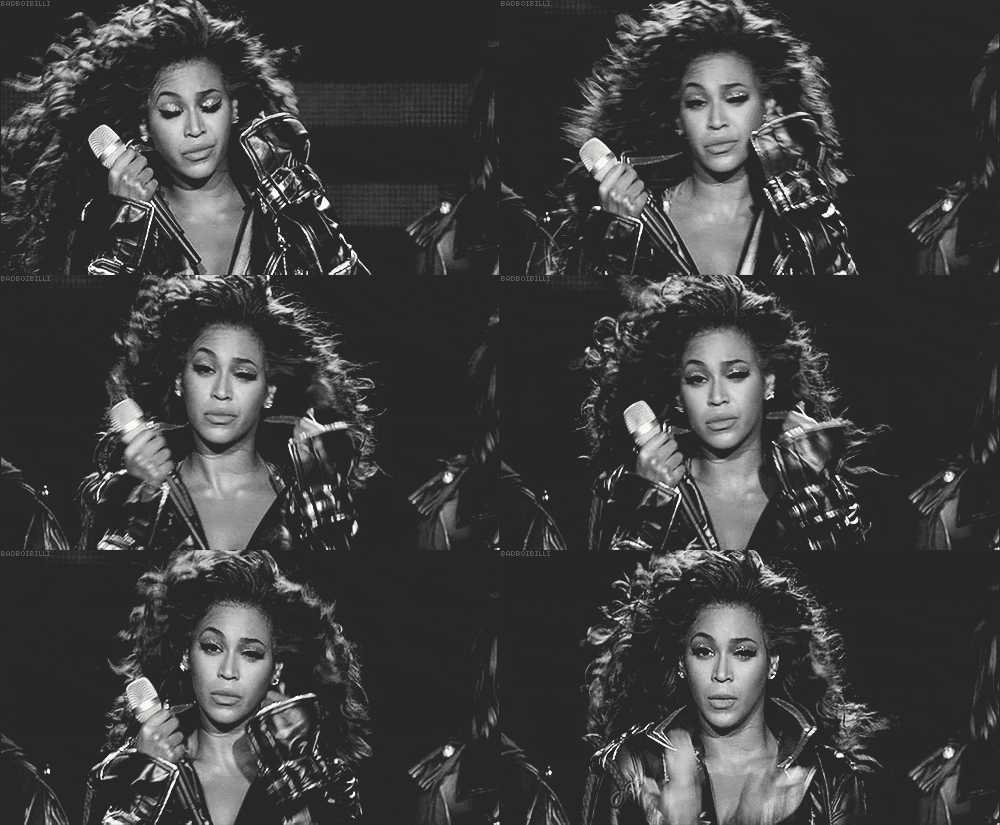
Why This Moment is More Than Hype
Control is Communicated: Every time a trademark is spoken publicly in a commercial context, it reinforces (or redefines) who holds the reins. Beyoncé saying it—boldly—signals she’s either reclaimed some control or received the green light to act as if she has.
Timing Speaks Volumes: This wasn’t a small cameo; it was the final night of a major tour, streamed across social media. Timing like that is rarely accidental.
The Possible Backstage Moves
A new licensing agreement between Parkwood Entertainment and Mathew Knowles.
A reconciliation or collaboration that allows joint use of the Destiny’s Child brand.
A strategic alignment that ensures both parties benefit from the renewed visibility of the name.
Lesson for Creators & Entrepreneurs
Your public moves—what you say, where you say it, and how you brand it—send signals about your private power.
One bold statement can rewrite narratives, reframe control, and reset the terms of engagement. But make no mistake: the most impactful statements are usually backed by signed contracts, not just courage.
So…the true lesson?
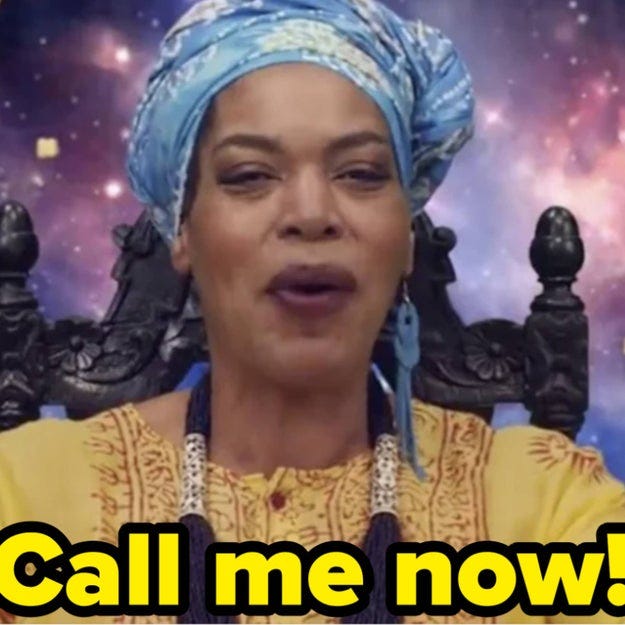
Imma need you to call me before you’re out here shouting names that you do not own.
Because we’ll need to show the receipts when the feds come…

We often talk about branding as a creative pursuit.
But at its core, branding is legal.
Ownership determines power.
Control follows contracts—not simply culture.
And this is why Firm for the Culture exists. To protect you. To protect the Culture.
To wield legal power in a way that truly protects, advances, and leverages Culture, not just exploits it.
Beyoncé’s moment on that stage was instructive.
It reminded us that reclaiming your narrative also requires reclaiming your rights.
And that sometimes, saying the name out loud is its own act of power.

Drop your thoughts in the comments—let’s talk about it.
Need Help Protecting Your Creativity?
If you are unsure—or if you know you need to take action—reach out to us.
We have helped countless founders and creatives safeguard their intellectual property, and we would love to do the same for you.
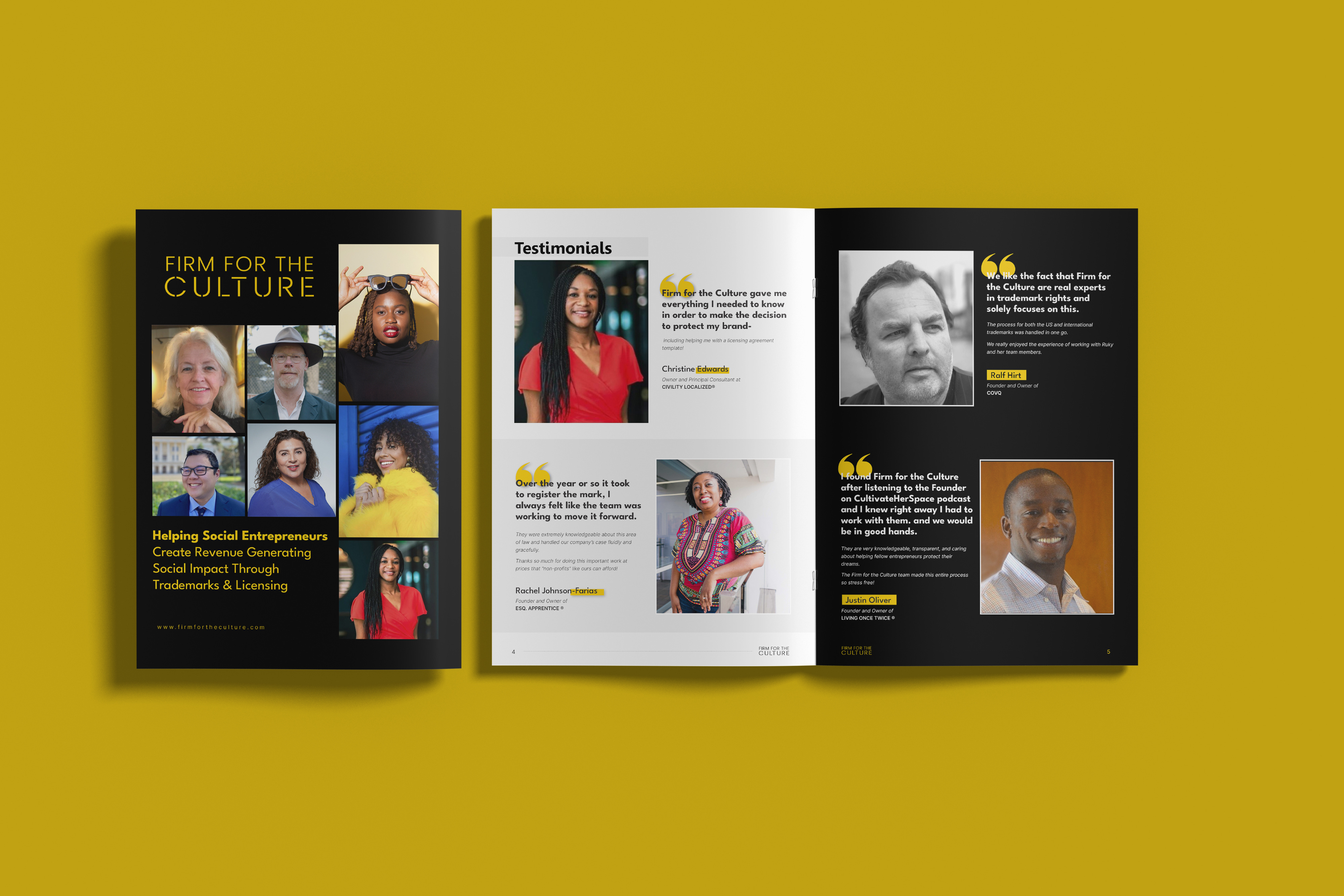
If you need further guidance, reach out to me and my team at Firm for the Culture.
We’re here to help you navigate the copyright, trademark, and thought leadership journey.
Can’t wait to help you protect your dynamic impact.
And #ThatsAWrap
The Doors of the Church Firm Are Open
Thanks for reading
See you next time.
I can't wait to read more. It's kind of interesting how our minds pick up on something and we just have to dig in to learn everything we can.
Ooou my new favorite sub. This was juicy ❤️