

Hey Fam,
Before Kanye became… today’s Kanye,
he was beloved.
Before the headlines.
Before the meltdowns.
Before the politics.
There was the Polo fitted.
Y’all remember that?
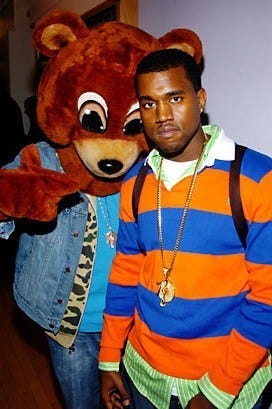
Kanye in the early 2000s, flipping his collar up like it was a uniform.
Not one polo.
Two.
Sometimes three.
Different colors layered so the collars stacked just right.
Millennial teenagers everywhere followed suit.
We popped our collars like it was a rite of passage.
Like fashion was choreography.
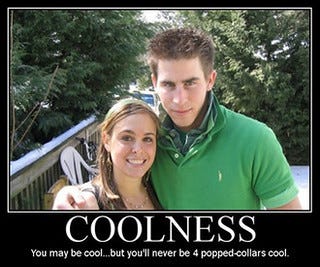
A whole generation learned that preppy could be remixed.
That Ralph Lauren didn’t have to belong to country clubs.
It could belong to us.
Flip it up.
Make it cultural.
Make it cool.
And I think about that often when I think about Ralph Lauren.
Especially when I remember that for years, Ralph Lauren couldn’t sell Polo-branded clothing in South Africa.
Think about it, a whole generation of millennials never experiencing the joy of the multicolored, flipped-up collars.
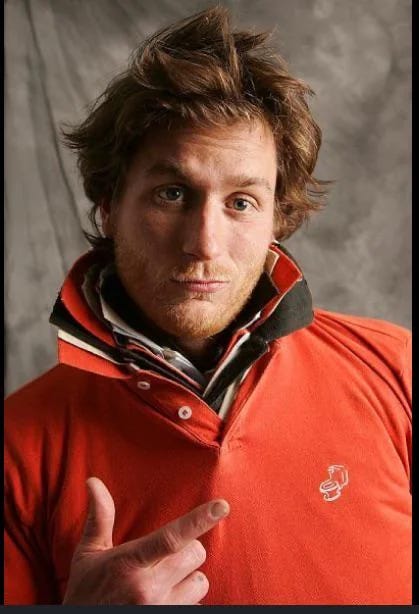
But this wasn’t about fashion.
It was about intellectual property.
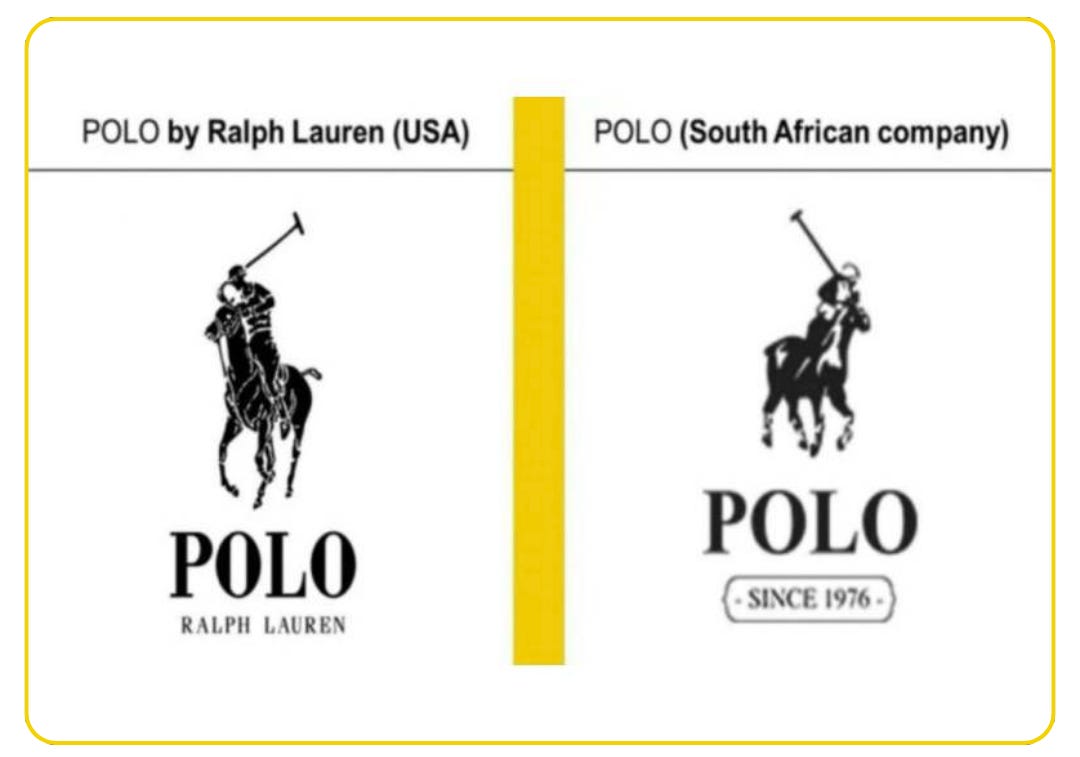
Yes, it’s true.
For years, Ralph Lauren couldn’t sell a single piece of its Polo-branded clothing in South Africa.
That sentence alone makes people pause.

Not because Ralph Lauren isn’t global.
Not because the brand lacked recognition.
But because the rights already lived there.
Same name. Familiar imagery. Deep cultural roots.
And, most importantly, enforceable trademark rights.
But what followed wasn’t a loud legal battle.
It was something far less common—and far more instructive.
A trademark aquisition.
Because if you can’t beat them, buy them.
And Ralph Lauren did just that.
In November 2025, Ralph Lauren acquired the South African Polo brand outright, gaining control over the trademarks, goodwill, and operations tied to that name.
In essense, they conceded the battle to win the war.
And as business owners, it’s time that we think this way as well.
In this Founder’s Letter, we’ll walk through three alternatives to knock down drag-out trademark litigation — and how we, like long-term brands, can choose strategy over noise.
Ready?
Let’s get into it.

Loving This Post?
Show us some love by adding a “❤️,” giving a share, or commenting below; this will make our hearts sing.

But first, some church announcements...
The Firm for the Culture - Power Moves Series.
We are in the home stretch!
And I could not be more proud of you.
For months, I promised myself that if you were willing to learn, that I would keep showing up.
And every week, you have suprised me:
Over and over and over again.


What started with 30 folks turned recently into a whopping 217 founders!!!
We’re growing, y’all!
And we’re just getting started!
Missed the workshop? Grab the notes here for one week only!
We have two more workshops in this power moves series.
Over the next few weeks, we’ll be rolling out our Power Moves Series to help you start the year off right.
You’ve already heard about some of the top moguls in our industry—including
Kevin Hart; and
Ryan Coogler
Next, we’re looking at the iconic Issa Rae—as we unpack her story, break down the contractual decisions that shaped her careers, and highlight the IP power moves that helped her build longevity and leverage.
More importantly, we’ll translate those lessons so you can apply them directly to your own business.
Registration is FREE; in case you’re unable to make it, sign up and you’ll get the free notes.
After event recordings are $20.00 each.
Hope to see you there!
EVENT #2 — THE POWER MOVES SERIES: RYAN COOGLER | February 12, 2026
Workshop is over but grab the notes here for this week only -
EVENT #3 — DO NOT SIGN THAT CONTRACT | February 26, 2026
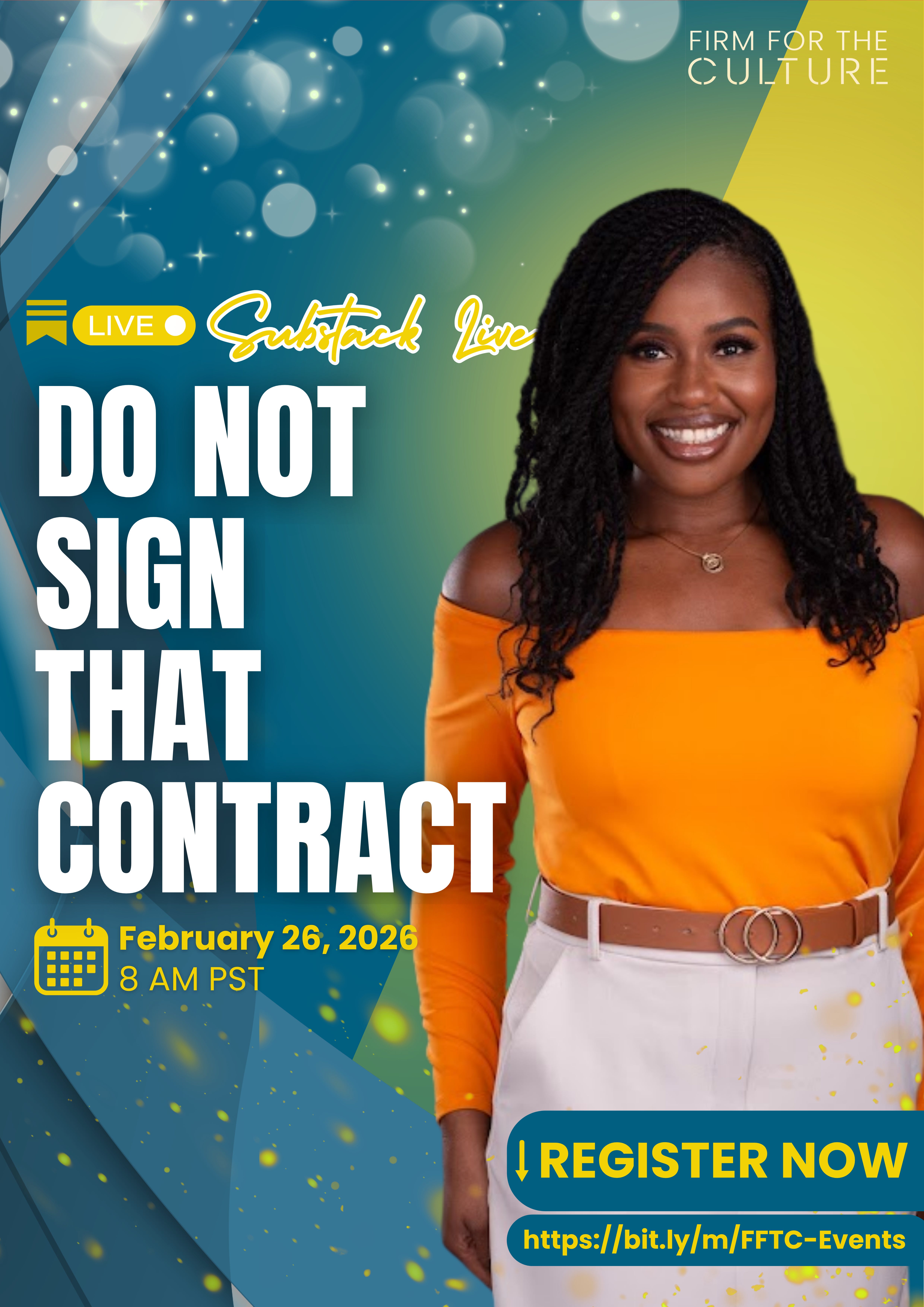
This session keeps getting requested — and for good reason. Too many creatives sign contracts they don’t fully understand because they don’t want to miss an opportunity. In this live session, we’ll walk through what to slow down for, what to question, and what not to sign without clarity.
No fear tactics. Just practical guidance.
If you’ve ever thought, “I hope this is okay,” before signing, this one is for you.
🔗 Sign up here: https://bit.ly/m/FFTC-Events
EVENT #4 — THE POWER MOVES SERIES: ISSA RAE | March 12, 2026
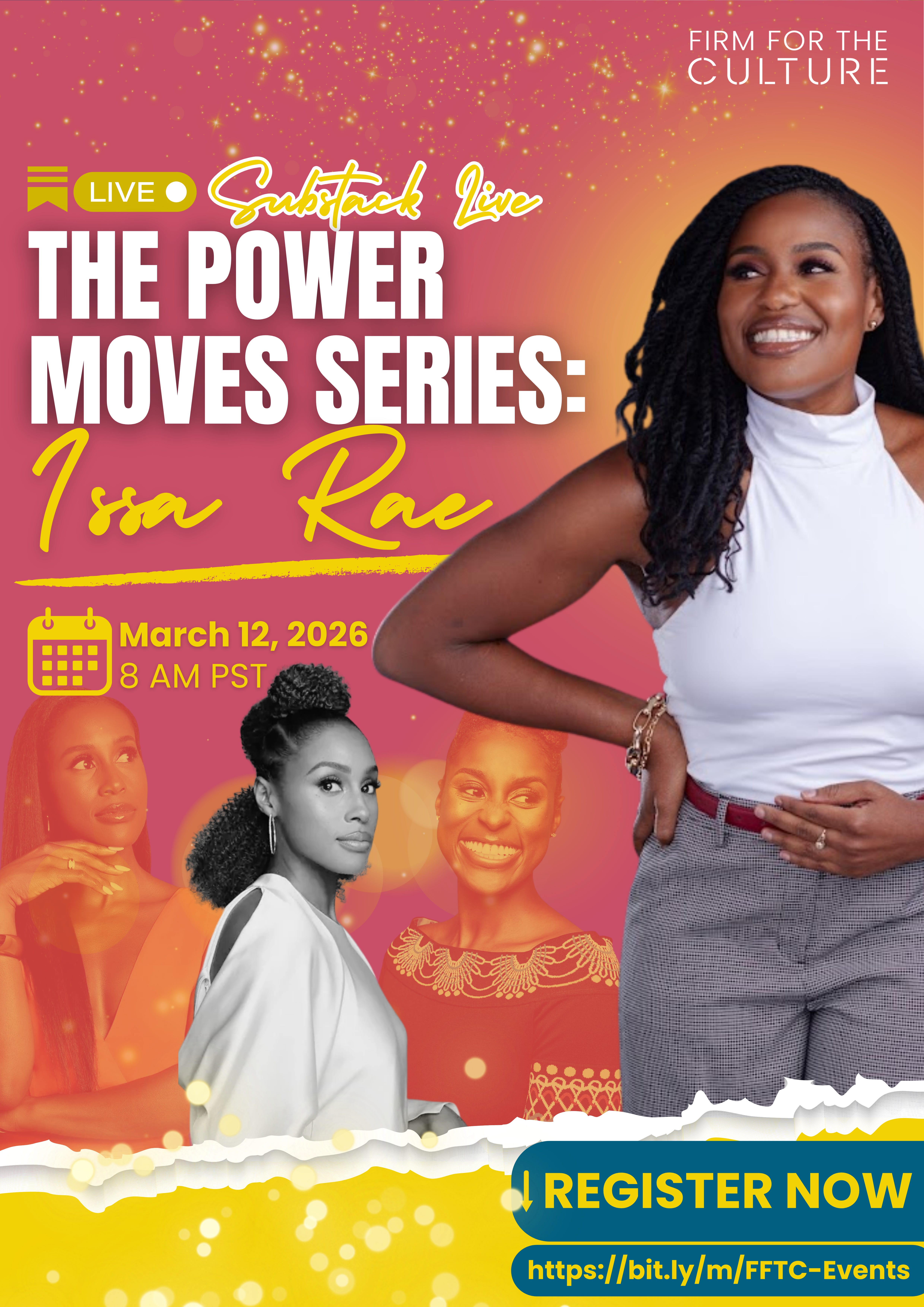
Issa Rae didn’t just create culture. She protected it.
Her career is a case study in building with intention, owning your voice, and using IP to support creative freedom instead of limiting it.
In this final session, we’re breaking down how trademarks, ownership, and smart legal strategy helped turn authenticity into longevity.
🔗 Sign up here: https://bit.ly/m/FFTC-Events
Now, back to our regularly scheduled program…. :)
The Real Lesson
Culture moves faster than contracts.
Trends move faster than trademarks.
But trademarks are not designed for trends.
They’re built for long-term sustainability.
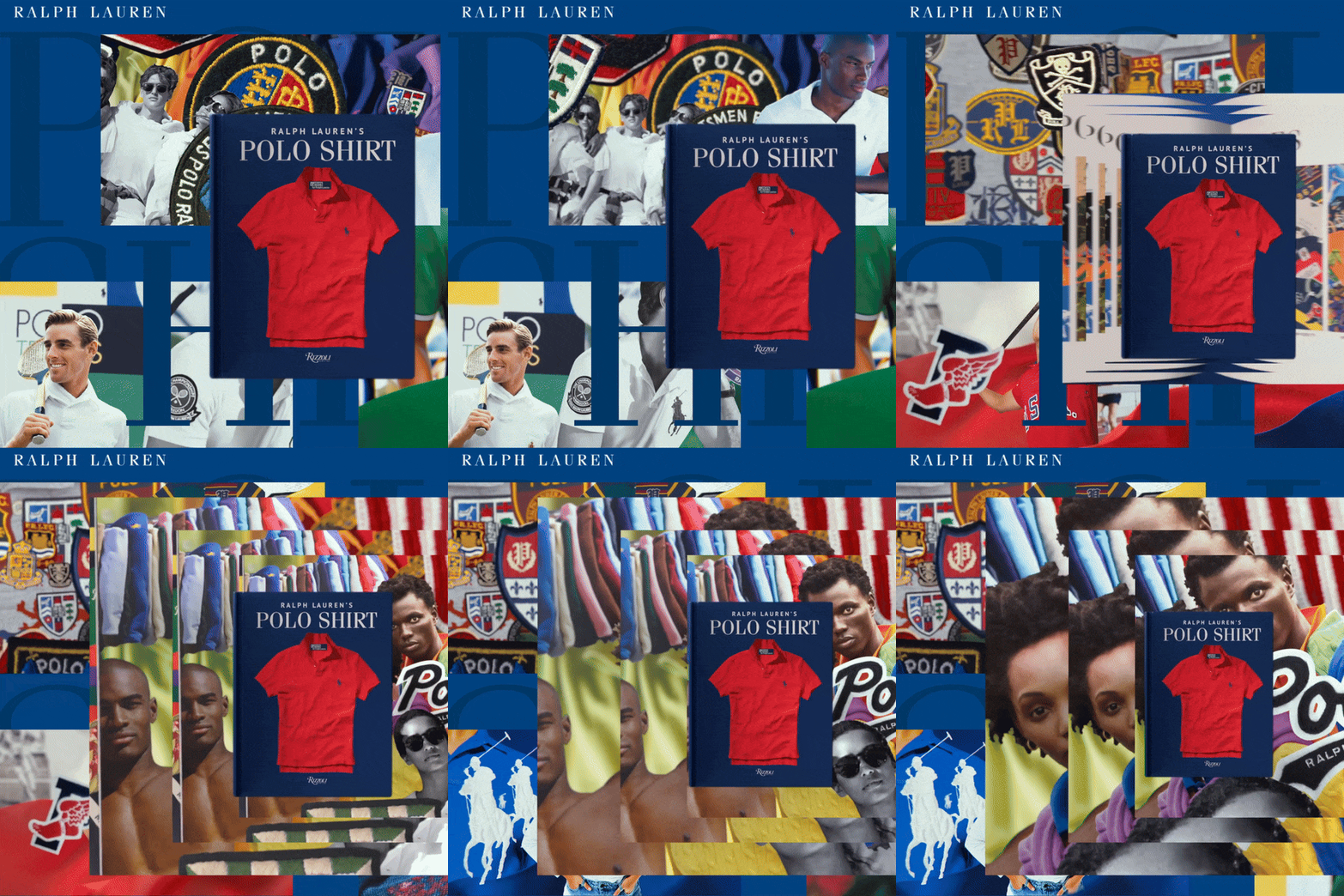
This is why Ralph Lauren played the long game—conceding battles, respecting territorial rights, and ultimately choosing acquisition over endless conflict. The goal wasn’t to win loudly. It was to win permanently.
Which brings us to this founder’s letter.

When conflicts arise over names, brands, or symbols, many founders assume there are only two options:
Send a cease-and-desist or go to court.
But not every situation requires “knuck if you buck” energy:
In reality, sophisticated brands often exhaust business-forward alternatives first.
Here are three of the most effective.

A trademark license allows one party (the licensee) to use another’s mark under defined terms — territory, products, duration, royalties, and, most importantly, quality control.
But licensing isn’t just about letting someone use your name.
It’s about preserving ownership while monetizing influence.
Instead of fighting over who owns the mark, the parties agree on how it can be used — and under what conditions.
This approach:
Preserves ownership
Generates revenue
Allows expansion without surrendering control
Licensing is especially powerful when one brand has strong local equity and another has scale.

A well-structured trademark license should clearly define:
Scope of use (What products? What services?)
Territory (Local? National? International?)
Duration (One year? Five years? Indefinite with termination rights?)
Royalty structure (Flat fee? Percentage of revenue? Minimum guarantees?)
Quality control provisions (How the brand must be presented, maintained, and protected)
For founders, licensing can turn a potential dispute into a long-term income stream.

A coexistence agreement formalizes what many brands do informally: operate side by side without interference.
These agreements often:
Divide territories
Separate product categories
Clarify branding distinctions
Prevent future enforcement actions
You’re probably wondering: how is this different from a license?
A license allows one party to retain ownership of a trademark while granting another party permission to use it under defined terms.
A coexistence agreement is different.
In a coexistence, both parties maintain ownership of their respective trademarks.
They don’t share ownership.
They don’t borrow rights.
They negotiate boundaries — defining how they will operate side by side across industries, territories, or market spaces.
Licensing is about permission.
Co-existence agreements are about parallel power, structured with clarity.

How these work in practice:
Last year alone, we negotiated four different coexistence agreements.
Three of them allowed our clients to move forward with particularly thorny trademarks — marks that could have stalled for years in opposition proceedings or federal litigation.
Instead of fighting indefinitely, we built structure.
Clear boundaries.
Clear categories.
Clear obligations.
Those clients now operate with certainty instead of fear.
The fourth agreement was different.
Our client held leverage.
And instead of simply “allowing” use, we negotiated compensation — significant compensation — in exchange for permission to use a particular trademark.
That deal didn’t just avoid litigation.
It created value.
For founders, coexistence can buy time, stability, and leverage—especially when both parties have something to lose.
Litigiation is not always the solution.
Peaceful co-existence should be a consideration.

Acquisition is the most definitive solution.
One party purchases:
The trademarks
Associated goodwill
Related business assets
But acquisition is more than buying a name.
It’s about consolidating control.
It ends marketplace confusion.
It unlocks expansion.
It aligns branding under one roof.

And it works best when both sides see opportunity — not defeat.
Sometimes that means bringing the founder or CEO of the acquired company into your operations.
Sometimes it means strategic integration.
Sometimes it means preserving legacy while strengthening scale.
Acquisition doesn’t have to be adversarial.
It can be collaborative.
When structured well, it:
Preserves brand equity
Protects consumer trust
Aligns long-term strategy
And transforms competition into consolidation
This is why, in some disputes, coexistence buys time — but acquisition builds permanence.
In the Ralph Lauren situation, coexistence created breathing room.
Acquisition created finality.
And that distinction matters.

Litigation is rarely the first move of brands thinking long-term.
Ownership strategy matters just as much as creativity.
Territory matters.
Timing matters.
If you’re building something meaningful, your brand isn’t just a vibe—it’s an asset. And assets deserve strategies that extend beyond reaction and into longevity.
Next time you’re tempted to “go viral” first and figure out protection later, remember this story.
Culture may open doors.
But trademarks decide who gets to stay.


If your brand started scaling tomorrow, would you actually own the name everywhere you want to grow?
Let’s talk. Drop a comment or hit reply.

Want help figuring out whether your name—or brand—is ready for trademark protection?
We’ve got you.
Book a Strategy Session with Firm for the Culture and let’s make sure your name isn’t just recognized—it’s protected.
Need Help Protecting Your Creativity?
If you are unsure—or if you know you need to take action—reach out to us.
We have helped countless founders and creatives safeguard their intellectual property, and we would love to do the same for you.

If you need further guidance, reach out to me and my team at Firm for the Culture.
We’re here to help you navigate the copyright, trademark, and thought leadership journey.
Can’t wait to help you protect your dynamic impact.
And #ThatsAWrap
The Doors of the Church Firm Are Open
Thanks for reading
See you next time.