

Hey Fam,
Gap did its big one with this…
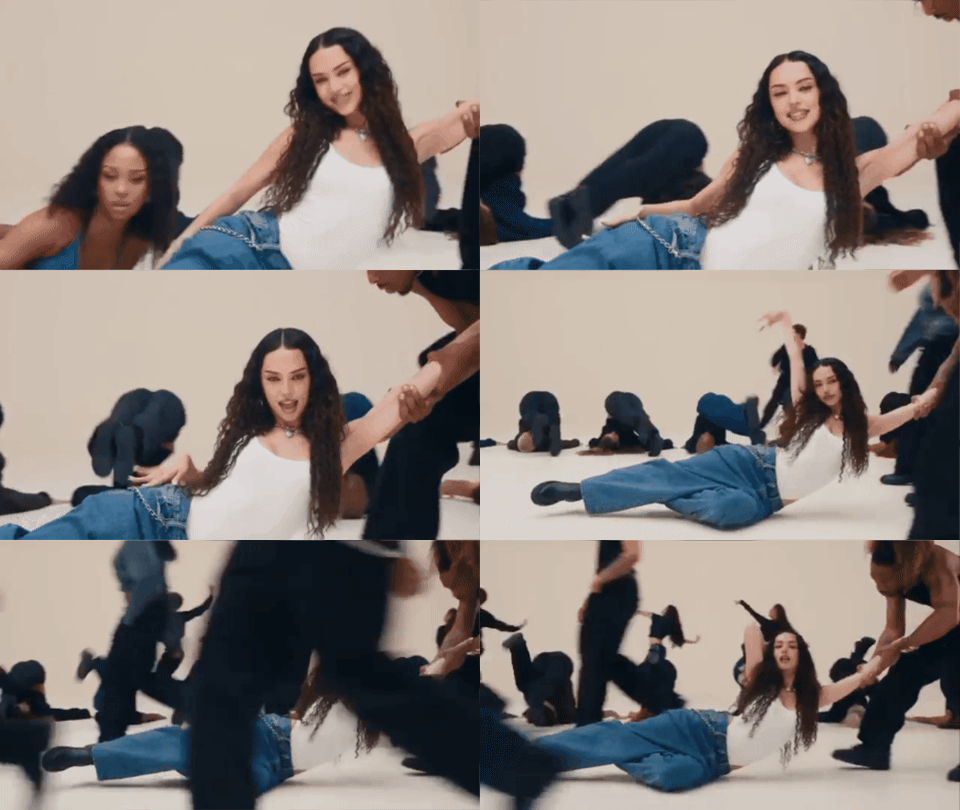
Gap just landed its most viral ad in years.
And the stars?
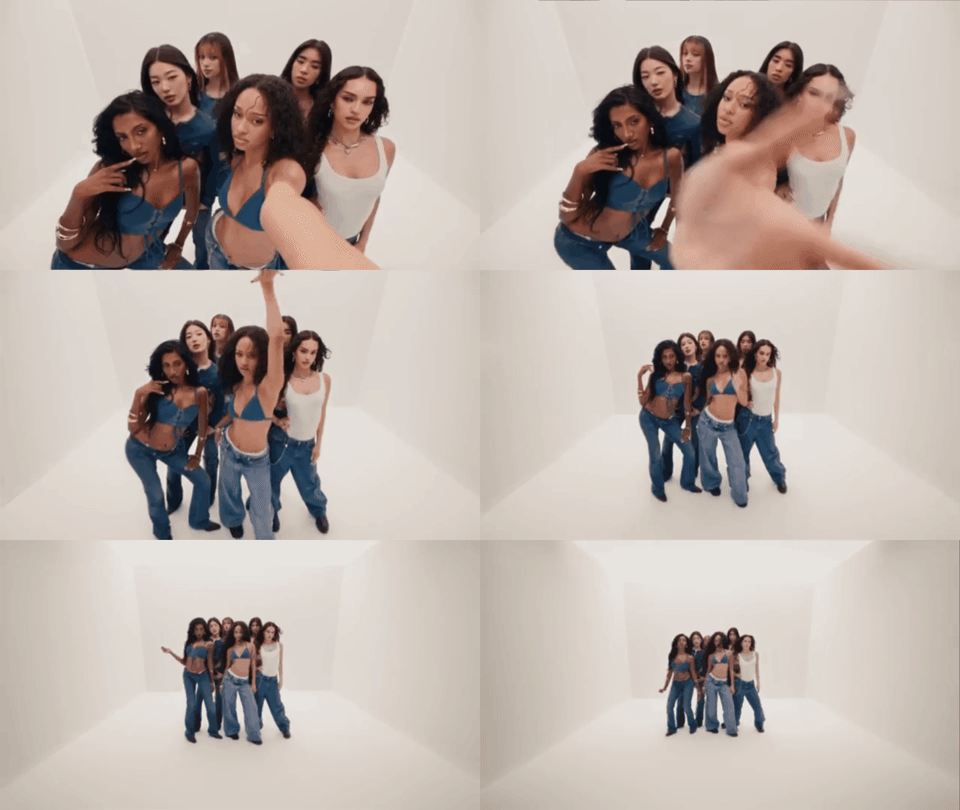
KATSEYE—a six-member, culturally diverse, international girl group.
Daniela, Lara, and Megan from the U.S.
Sophia from the Philippines.
Manon from Switzerland.
Yoonchae from South Korea.

Six women.
Six cultures.
One message: “Better in Denim.”
The spot is bright, choreographed, and nostalgic—an echo of classic Gap—but it also feels current, global, and intentional.
This is more than a fashion ad; it’s a licensing play that turns cultural alignment into brand equity.
All of this lands right after American Eagle’s Sydney Sweeney denim ad was criticized as tone-deaf:
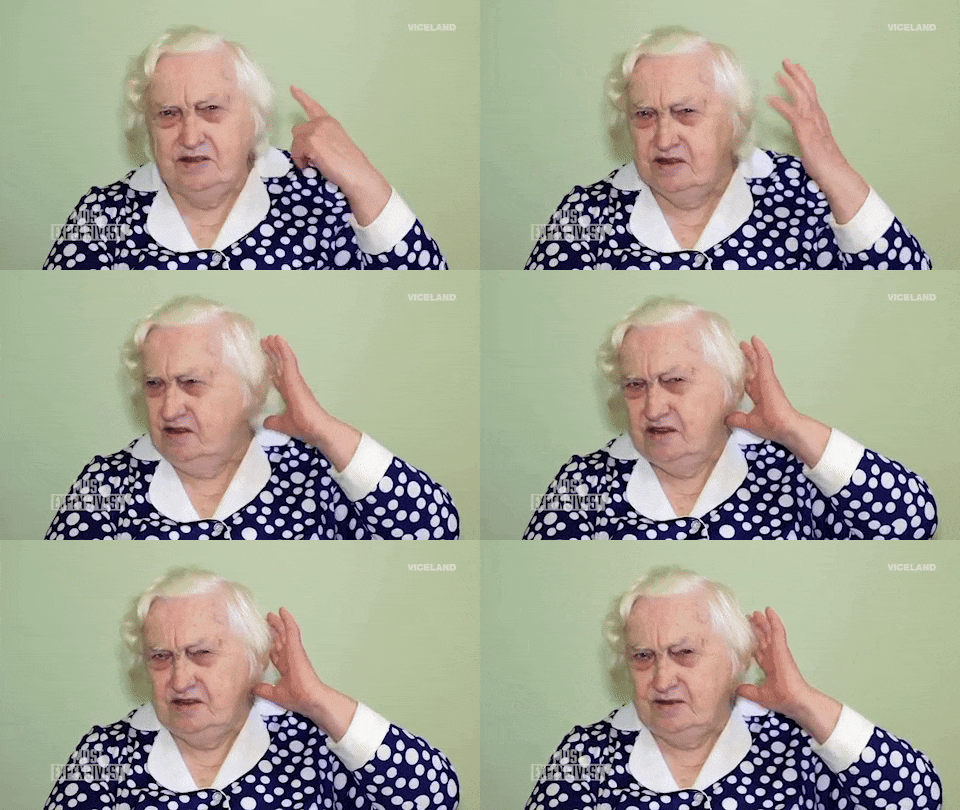
Gap took the opposite tack: it licensed the right talent, wrapped the creative in values-forward storytelling, and (crucially) papered it with the right contract terms so the impact matched the message.
Every founder knows the stakes when culture meets contracts.
Gap’s latest campaign is proof.
So in this Founder’s Letter, we’re going to break down three contract lessons this viral denim ad can teach us about licensing, impact, inclusivity, and control.
Ready?
Let’s dive right in.
Loving This Post?
Show us some love by adding a “❤️” or commenting below; this will make our hearts sing.
But First, Church Announcements:
Mark your calendars fam—our first Substack Live Workshop is coming up!
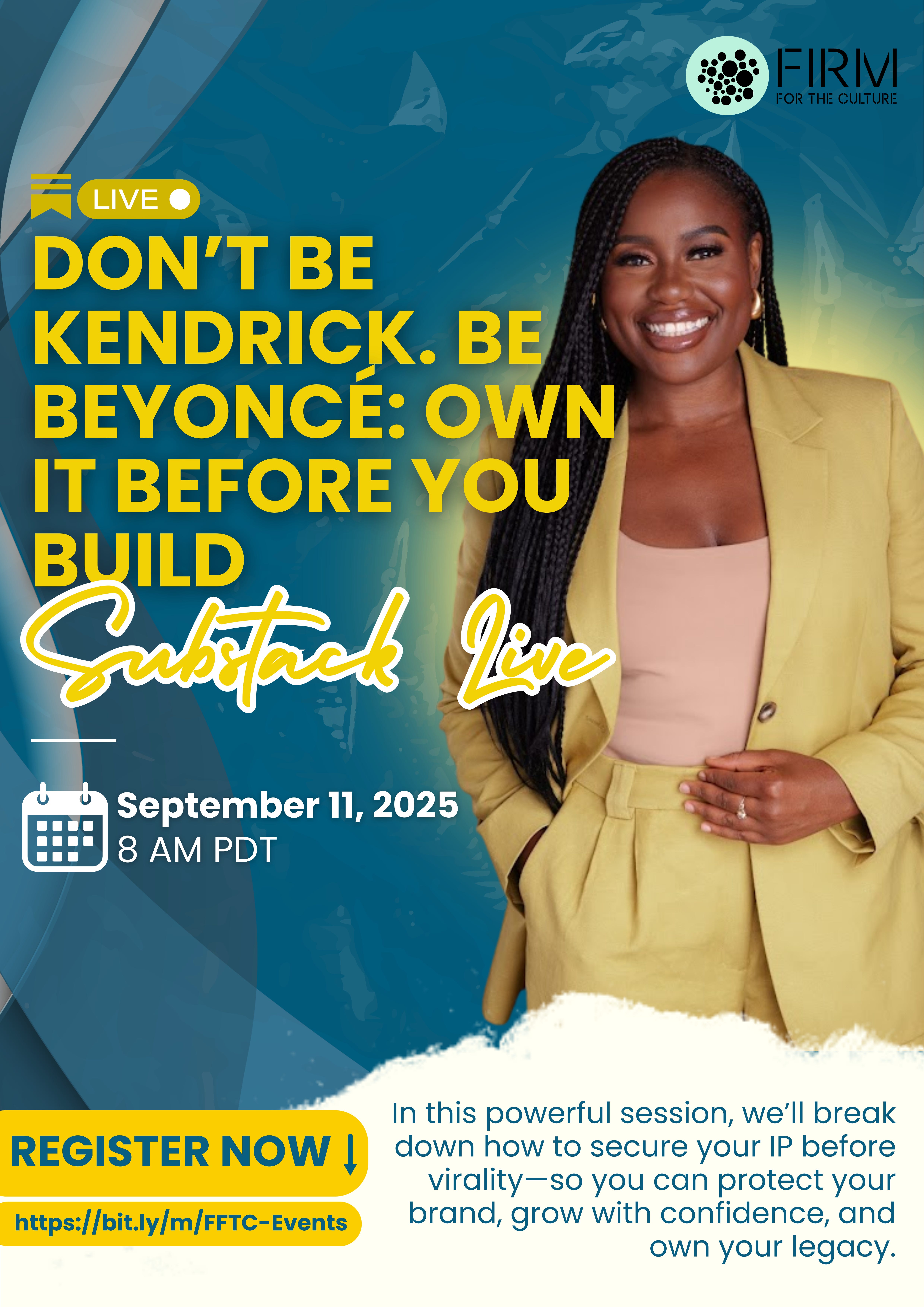
Don’t Be Kendrick, Be Beyoncé: Securing Ownership Before the Spotlight
📅 Date: Thursday, September 11, 2025
🕗 Time: 8:00 AM PST
📍 Location: Substack Live
Drawing upon lessons from Beyoncé’s decades’ long intellectual property portfolio building strategy, we’re going to talk about how you too can protect your brilliance as you build your impact.
This workshop is for founders and creators who are building something powerful—and want to protect it as the world catches on.
In this workshop, you’ll learn how to:
Identify IP-worthy assets in your business before they go viral (brand names, course titles, catchphrases, merch lines).
Understand the USPTO timing and “first-file” rules that make or break your rights.
See how IP adds real-world value—whether you’re raising funds, negotiating partnerships, or licensing your work.
Build an early-stage IP roadmap (audits, registrations, aligning protection with milestones).
Use IP as leverage—not just defense—to control your narrative and secure your legacy.
If you’ve ever wondered how Beyoncé turned her trademarks into power moves, this is the room you want to be in.
Because protecting your brilliance isn’t optional—it’s essential.
Now, back to our regularly scheduled program…. :)
If you want to license your brand—and still have a say in the impact it makes—master these three domains:
1. Define the scope of rights.
2. Guard the brand’s impact.
3. Retain strategic control.
Let’s break it down.

What exactly is being licensed? Write it down with surgical precision.
You’re usually dealing with A BUNCH of different categories of assets, plus the “where/when/how” of the grant.

Identity assets (NIL)
Name, Image, Likeness (NIL): a person’s identity elements (name, nicknames/aliases, portrait/face, voice, signature, likeness, distinctive gestures or catchphrases).
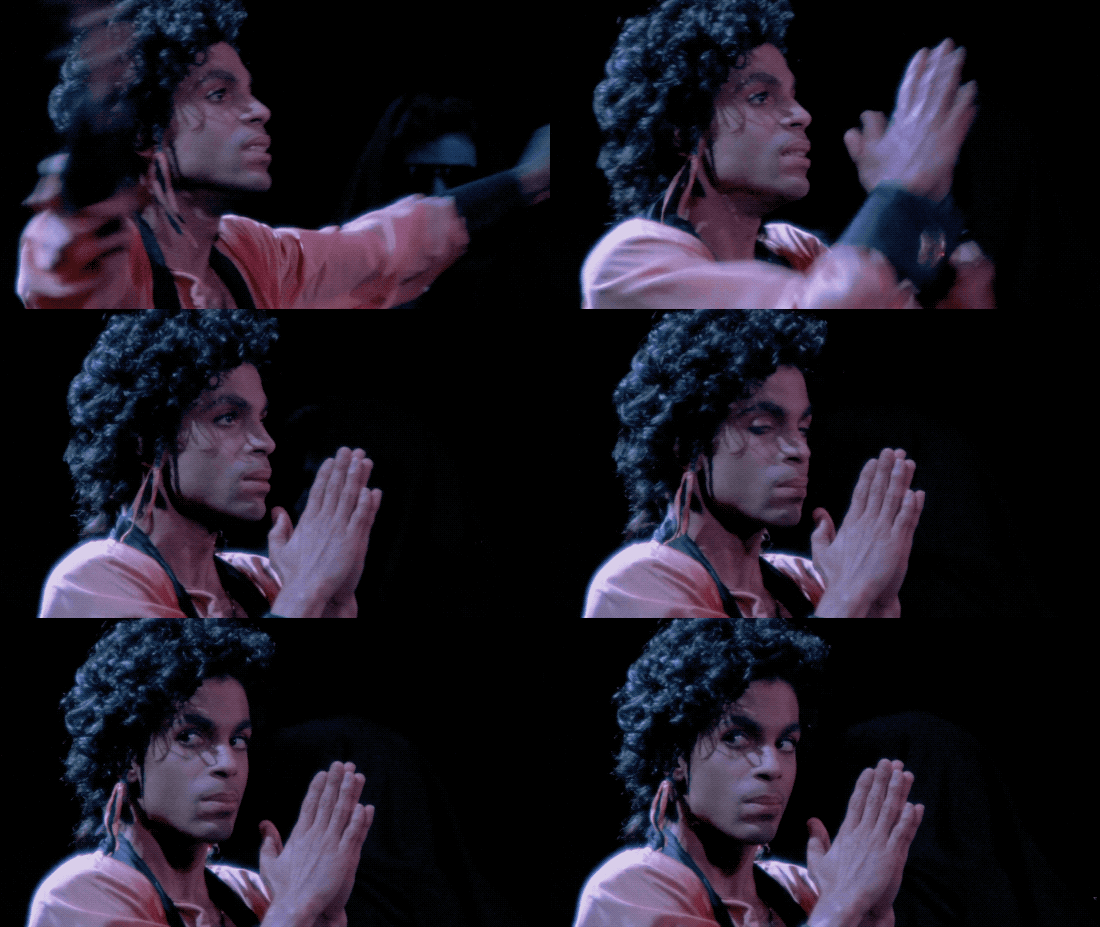
In the U.S., NIL typically lives in state right-of-publicity law (statutory or common law), which varies by state and can even include post-mortem rights (think: Prince’s rights beyond his grave):
Brand assets (trademarks, trade dress, and everything in between)
When it comes to your logos, word marks, slogans, stylized marks, and overall “look and feel”, your contract should be crystal clear.
That means spelling out:
Which marks are covered.
Approved artwork — even down to the exact Pantone or hex codes.
Where the marks can appear (placement rules).
The quality standards the goods or services must meet when your mark is used.
The categories of goods or services the marks are tied to.
Yes, it can get very detailed — and it should. These contracts sometimes drill down to things like packaging colors, font styles, and co-branding rules.
Getting this right up front with an experienced IP attorney can save you major stress (and money) down the road.
Creative assets (copyright)
Copyright covers your artistic and literary works in a fixed medium. That means music, choreography, photography, video, copywriting, motion graphics, and more.
When dealing with copyright, you want to get really clear on:
Who owns what. Is your copyright registered? Can you verify ownership?
Types of rights. Who has publishing rights? Who controls the master recordings? Who owns the choreography, the video, or the photography?
Usage rights. If a performance style or choreography is distinct, do you own the recording? Can you license or recreate it later?
Music rights. Who can sync the music? Who can distribute it? Are there separate rights tied to the composer, label, or PRO (performing rights organization)?
All of these details matter because copyright isn’t just about creating the work — it’s about controlling how it can be used, licensed, or monetized.
Getting clear here protects you from disputes and makes it easier to leverage your creative assets with confidence.

Values can be licensed—or lost—depending on your guardrails.

Roles & Conduct
Believe it or not, business agreements often include morals clauses — and they can have serious consequences.
A morals clause usually gets triggered when there’s:
A public scandal
Hate speech
Harassment
Fraud or criminal charges/convictions
Any conduct that brings the other party into “disrepute”
In plain terms: if a company no longer wants to be associated with you because you might get canceled, this is where the morals clause comes into play.
For example, a brand like Gap would likely be within its rights to end a partnership with an influencer or collaborator if that person did something controversial.
Remedies could include takedowns, suspensions, contract termination, reimbursement of unearned fees, or even clawbacks.
Messaging & Approval
This section controls what you can and can’t say about the campaign.
Companies don’t want unnecessary controversy tied to their name. So contracts often restrict things like:
Political statements
DEI commentary
Adult content
Gambling references
In short: sometimes you’ve got to “keep it cute” — because what you say can get you sued, or even canceled.
Compliance
Finally, don’t forget compliance. This includes:
FTC rules: disclose material connections, no false claims.
Data & privacy: if a campaign uses user-generated content (UGC) or fan submissions, contracts should clearly spell out consent, releases, storage, and takedown processes.
Trademark quality control: making sure brand assets are used correctly, with approved guidelines and specs.
These provisions may not feel glamorous, but they protect both sides — and ignoring them can create major legal headaches.

Exclusivity
“We go together” can be something TOTALLY different in the world of license agreements.
Just because you’ve signed the deal doesn’t mean you’re the only one in the brand’s “DMs.”
Exclusivity clauses spell out exactly what’s covered — and what’s not — so both sides know where the boundaries are.
Category: Be specific. Are we talking denim bottoms and denim jackets or the entire category of “fashion”? The difference matters.
Channel: Does exclusivity apply to retail, direct-to-consumer, marketplace, or events? Spell it out.
Carve-outs: What existing deals are protected? You don’t want this new partnership to block other revenue streams. For example: can the talent still wear non-Gap items on their social media?

Performance & Renewals
How do you measure success? And what triggers a renewal?
Are there KPIs (like reach, engagement, sales, or sentiment)?
Will the contract include ROFR (right of first refusal) or ROFO (right of first offer) for future projects? These acronyms may sound technical, but they’re standard in contracts and give one side the first chance to continue or expand the partnership.
Money & Audit
Finally, let’s talk money.
Fee structure: flat fees, usage fees (by channel, territory, or term), or royalties/revenue share.
Audit rights: regular statements, audit windows, and penalties for underpayment.
Payment timing: when do checks drop — at signing, launch, or milestones?
Taxes & withholdings: who’s responsible for what?
Still wanna use chat GPT for this, homie?

KATSEYE didn’t just show up in denim; they showed how cultural alignment, legal clarity, and creative control can coexist.
Reportedly, they’ve backed it with a wall of trademark filings across classes—evidence that the brand strategy extends beyond a single campaign.
That’s the playbook: align values, license precisely, and protect the story you’re telling.
In a world where missteps go viral, authenticity with guardrails travels farther—and lasts longer.

If your brand ran an ad tomorrow, would audiences see your values—or just your product?
What’s one clause you will never skip again when you license your brand?
Drop your thoughts in the comments—I want to hear your take.
Need Help Protecting Your Creativity?
If you are unsure—or if you know you need to take action—reach out to us.
We have helped countless founders and creatives safeguard their intellectual property, and we would love to do the same for you.
If you need further guidance, reach out to me and my team at Firm for the Culture.
We’re here to help you navigate the copyright, trademark, and thought leadership journey.
Can’t wait to help you protect your dynamic impact.
And #ThatsAWrap
The Doors of the Church Firm Are Open
Thanks for reading
See you next time.
It’s fascinating how Gap’s campaign shows that contracts can be cultural tools as much as legal ones,
But I wonder, when inclusivity becomes part of the licensing terms, how do we ensure it’s lived beyond the contract and not just language on paper?
This sentence: "If your brand ran an ad tomorrow, would audiences see your values—or just your product?" mirrors Simon Sinek's powerful idea:
Start with 'why'.
The 'why' is your 'values' (or purpose or belief). And the 'what' is your product.
The classic example is the Apple of yesteryear. Their 'why' came first: "We believe in challenging the status quo, we believe in thinking differently".
Everything else - all the product description - came after that.
I'm sure that with support from you, Ruky, creators with the courage to start with their 'why' can build an unfair advantage over those who don't.
https://youtu.be/HjriwYrGL28?si=LBMH8q7zk0nuoMQp