

Hey Fam,
Let’s start this off with a Doechii moment.
She’s proof that even a setback can spark the biggest comeback.
After getting fired from her day job, she went all-in on music.
In 2021, she signed a record deal with Top Dawg Entertainment (TDE) — the same label that launched Kendrick Lamar and SZA into superstardom.
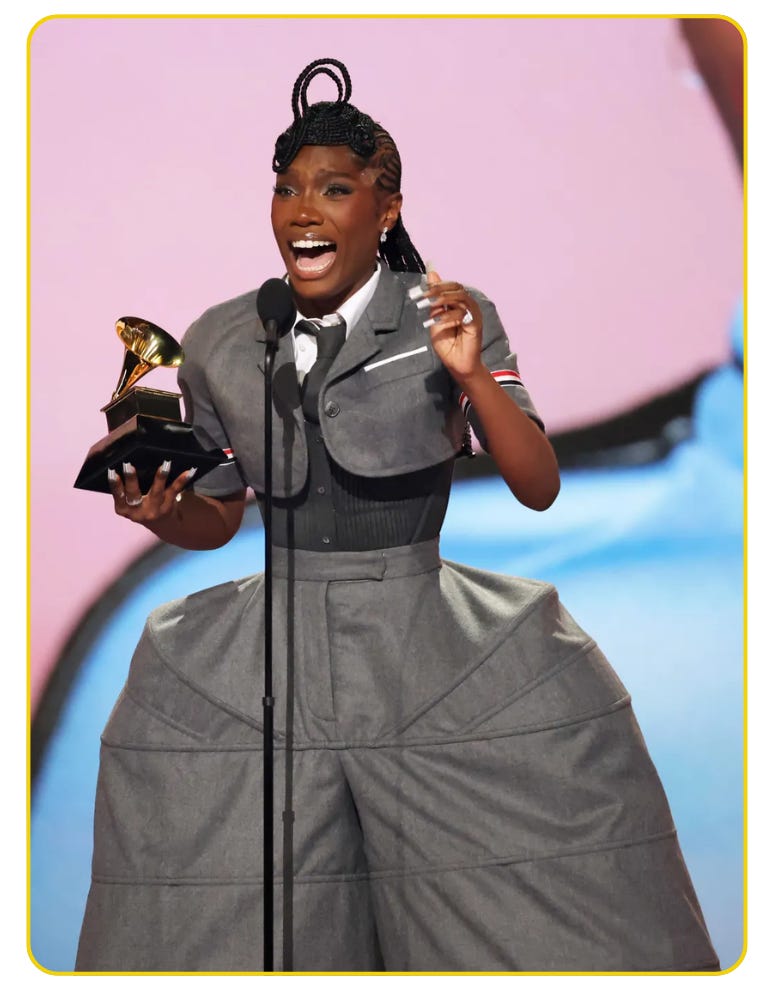
By 2025, she became a Grammy winner.
And her name?
More than a stage persona.
It’s a registered trademark.
Sounds like everything’s locked down, right?
So I did what I always do…did some deep digging for the culture.
In starting my quest, I asked two important questions too many creatives forget to ask:
Who actually owns the brand?
And what happens if things go left?
In this Founder’s Letter, we’re breaking down what Doechii’s trademark story teaches us about fame, ownership, and the fine print behind creative control — and how artists like Jay-Z, Beyoncé, and Kendrick turned their names into empires.
Ready?
Let’s get into it.
Loving This Post?
Show us some love by adding a “❤️” or commenting below; this will make our hearts sing.
But First, Church Announcements:
Introducing the “Leverage Your Brilliance” Series
Starting this October, I’m thrilled to announce a new four-part workshop series designed for creators, thought leaders, and culture-shapers who want to protect, monetize, and leverage their brilliance.
Whether you’re a speaker, thought leader, educator, or entrepreneur — your ideas are valuable.
And it’s time to treat them that way.
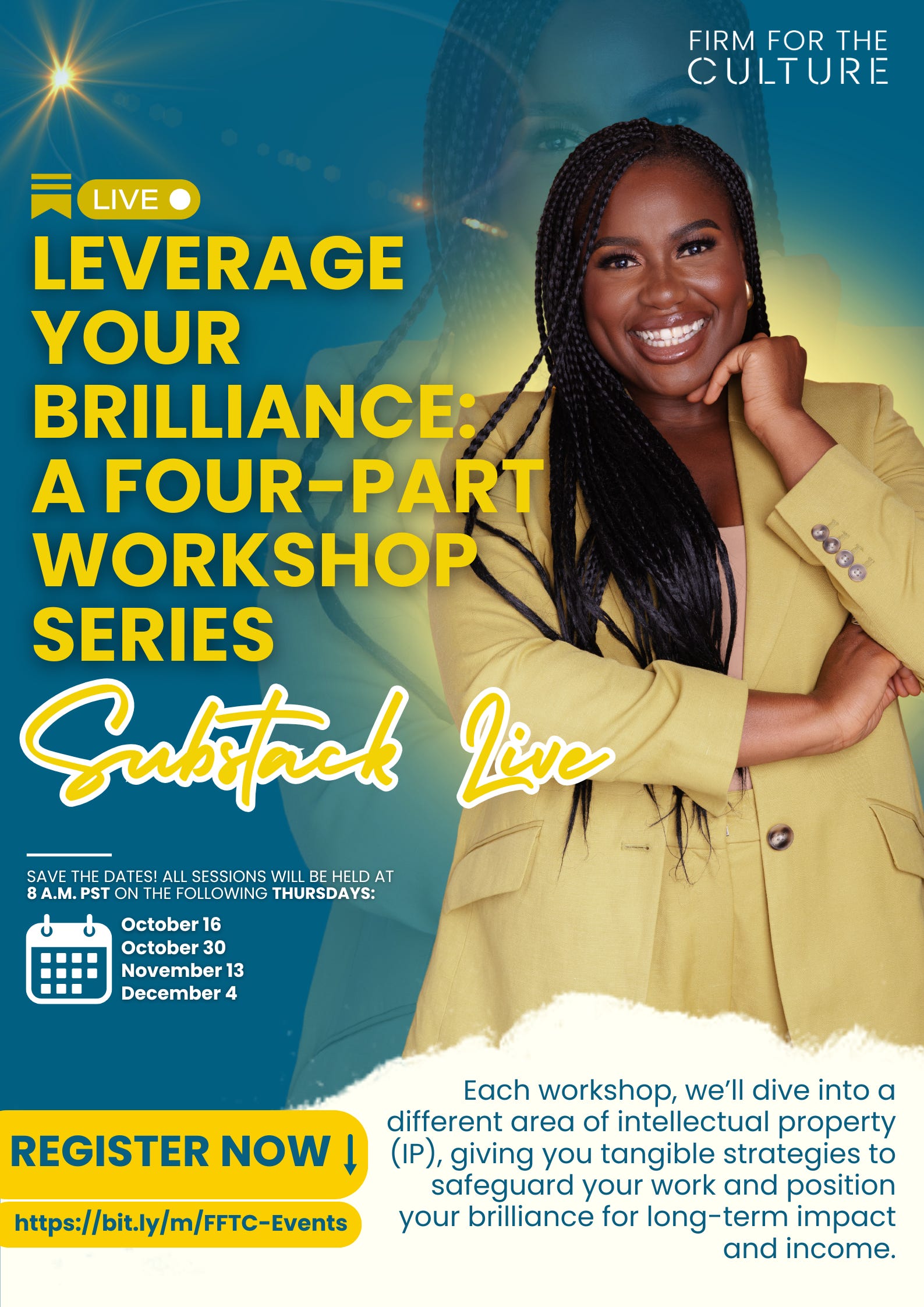
Each week, we’ll dive into a different area of intellectual property (IP), giving you tangible strategies to safeguard your work and position your brilliance for long-term impact and income.
All sessions will be held at 8 a.m. PST on the following Thursdays:
So Register Here to Save the Dates:
October 16
October 30
November 13
December 4
Workshop Lineup:
What to Do Before You Brand: October 16, 2025The pre-legal foundation that helps you build a brand worth protecting.
Grab the free notes HERE, which will be available until this FRIDAY, October 24, 2025.
Copyrights for the Culture: October 30, 2025
From music to course materials, learn how to protect the creative works you’ve poured your soul into.
Introduction to IP Licensing: November 13, 2025
A breakdown of how licensing works, what to watch for, and how to get paid while keeping ownership.
Social Impact Licensing: Success Stories: December 4, 2025
Real-life case studies of brands who’ve turned impact into income without compromising their mission.
Sign Up for Our Second Workshop Here:
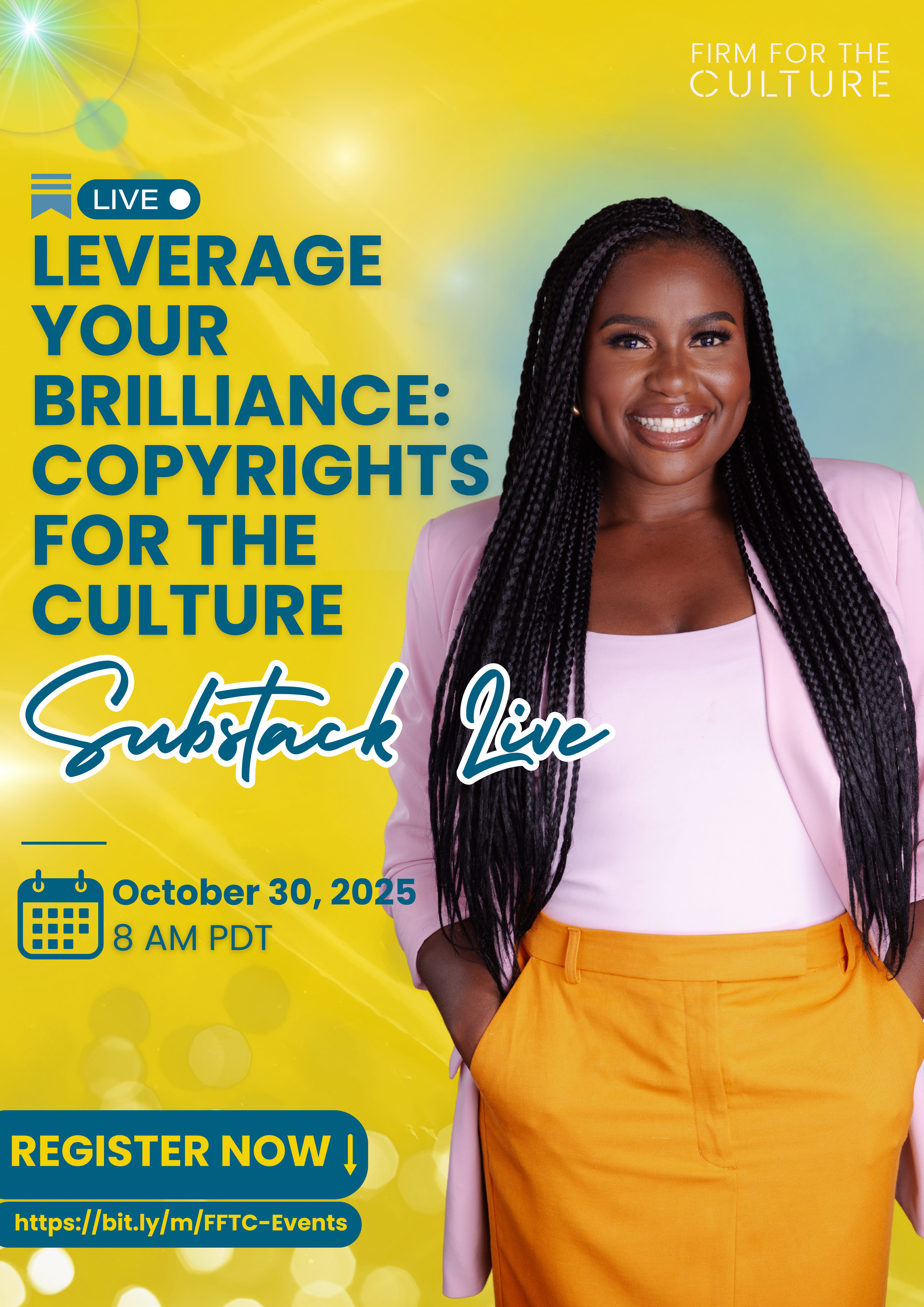
Let’s close the year strong — with strategy, clarity, and protection for the intellectual property that’s been building your legacy all along.
Here’s the link to sign up: Copyrights for the Culture
Now, back to our regularly scheduled program…. :)

When we look at the USPTO record for “Doechii,” it’s clear: the owner of the trademark is Top Dawg Entertainment.
That means the label — not Doechii — currently controls the rights to:
Her name
Her brand identity
Any merchandising, licensing, and potentially endorsement opportunities tied to that mark
Now, this isn’t about who got the better deal or whether it’s “fair.”
After all, there are a thousand valid reasons why an emerging artist might allow a label to hold ownership — from funding to infrastructure to timing.
But it is a moment to pause and unpack:
What’s the real difference between being the star of the brand — and being the owner of it?
Let’s see some examples in action.

Let’s turn to Shawn Carter — aka Jay‑Z.
Born in the projects of Brooklyn and raised by a single mother (where Brooklyn at?!?!), Jay‑Z’s love for music was sparked when his mom bought him a boombox for his birthday.
That gift became his gateway — and by the early 1990s, his voice was already shaping hip-hop’s future.
In August 2000, just as he released The Dynasty: Roc La Familia, Jay‑Z took a major legal step:
He filed to trademark his stage name in connection with stationery products, stickers, concert souvenir programs, and other brandable merchandise.
And here’s the key:
He filed as an individual — not yet as a company:

That’s powerful.
Because it shows how early brand protection can start even when you’re just building the foundation.
But Jay‑Z didn’t stop there.
Roughly 20 years later, in a move straight out of the mogul playbook, he assigned the trademark to an LLC — transferring the ownership from himself to a legal business entity he controls.
This wasn’t just a paperwork shuffle.
It was a strategy shift.
By putting the trademark under a corporate entity, Jay‑Z:
Minimized personal liability
Increased licensing potential
Opened the door for long-term monetization and estate planning
Translation?
Jay‑Z doesn’t just own his name — he owns how it functions in the market.
And he’s positioned it to work for him like the business it is.
As he once famously said:
“I’m not a businessman. I’m a business, man.”
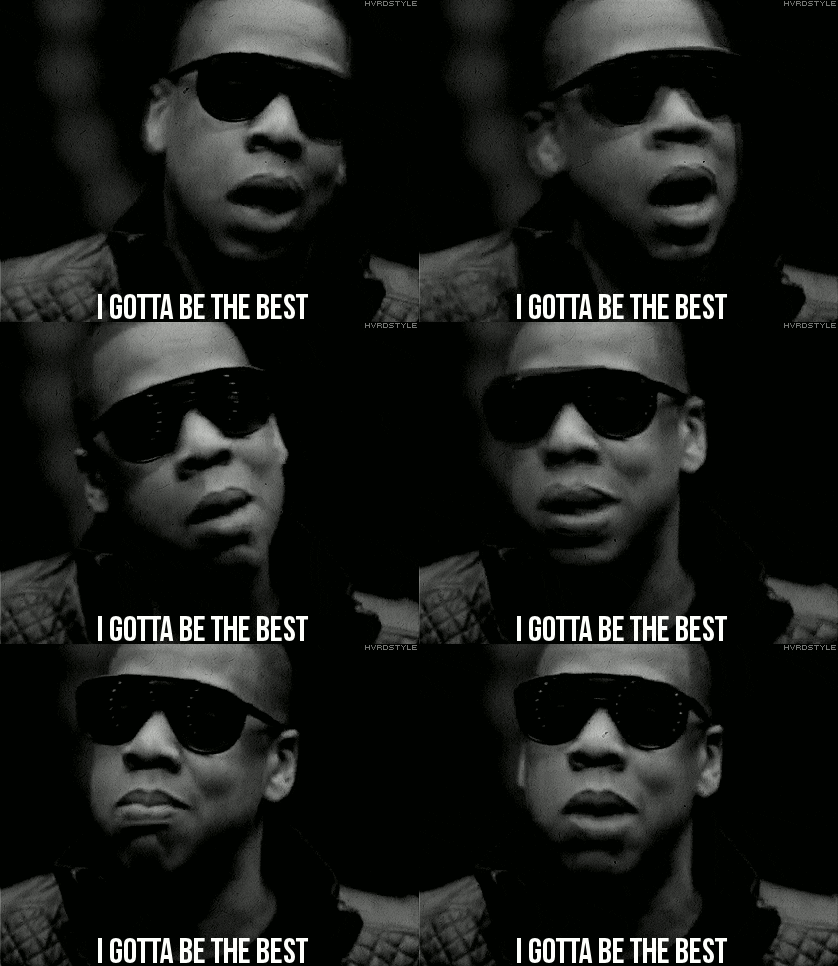
And today, that business includes at least four federally registered trademarks for the “Jay‑Z” name — spanning paper goods, music, clothing, and live performances.
From boom box to billionaire, every move has been intentional.
Translation?
Jay-Z doesn’t just own his name — he owns how it functions in the market.
And he’s positioned that name to generate long-term wealth and licensing power under a company, not just as an individual.

Beyoncé has filed dozens of trademarks — not just for her name, but for:
“Beychella”
“Blue Ivy Carter” (her daughter’s name)
“Cowboy Carter”
“Sweet Honey Buckin’”
Essentially, entire eras of her artistry.
Her trademark strategy protects both the moment and the movement.
But just like her mogul man, Beyoncé doesn’t stop at filing.
She files smart.
Many of her trademarks are held under BGK Trademark Holdings, LLC — a business entity she controls.
This structure doesn’t just allow for centralization.
It limits personal liability, strengthens her licensing power, and future-proofs her brand through an entity that can outlast any one project, tour, or deal.
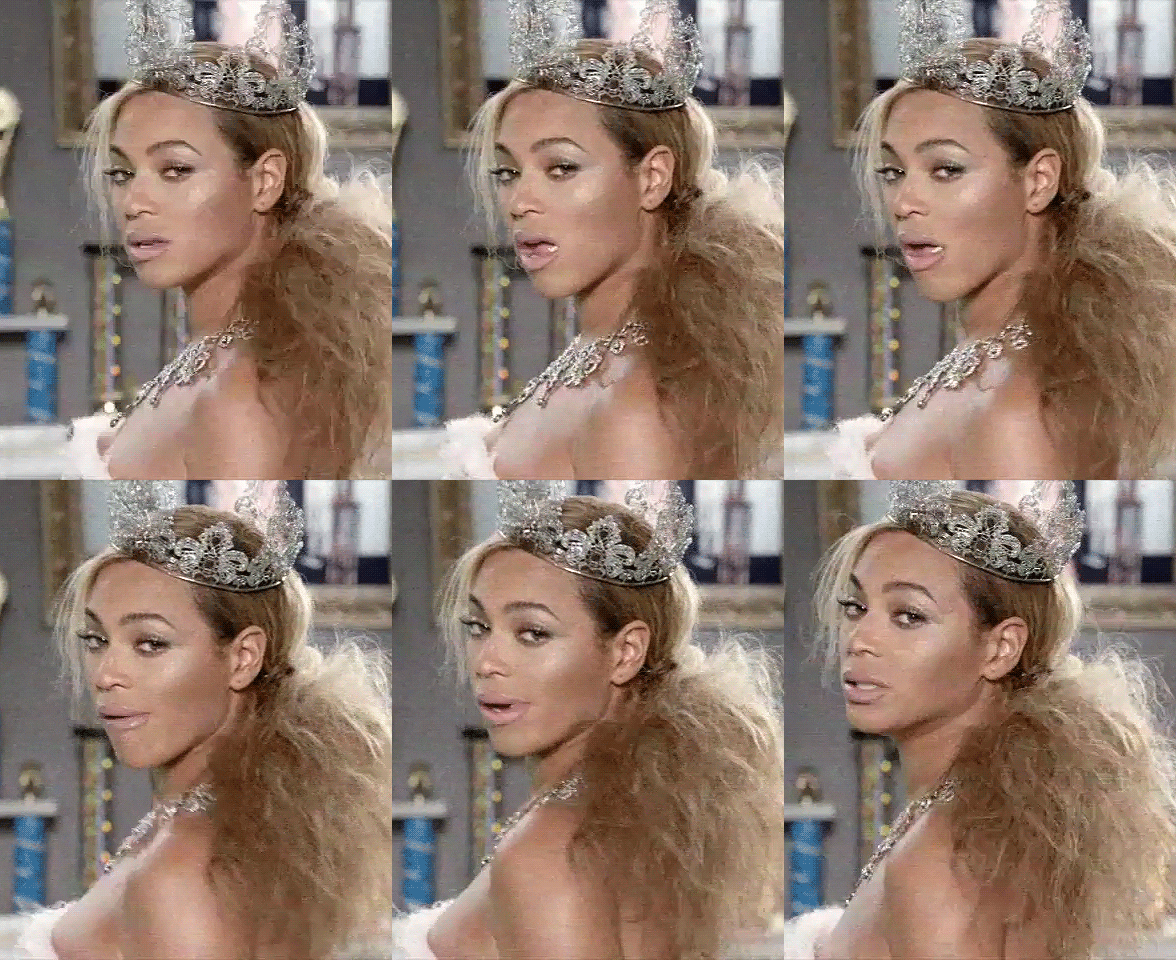
She’s not just filing to block others —
She’s creating legal infrastructure for:
Product launches
Merch lines
Licensing agreements
Tours
Generational wealth-building
Beyoncé doesn’t just perform for the culture —
She trademarks it, monetizes it, and controls how it lives in the world.
Like her man Jay-Z, she’s treating her intellectual property like a platform; not just protection.
And that’s the real power move.

Now let’s talk Kendrick.
In or around 2021, Kendrick Lamar made waves by leaving Top Dawg Entertainment, his longtime label home.
Shortly after that move, he took a critical step:
He filed a trademark application for his own name — “Kendrick Lamar” — under his personal ownership.
That move wasn’t just about protecting a name.
It was about owning the future.
Because when (not if) the trademark gets registered, Kendrick will legally own his name in connection with:
Clothing
Audio and audiovisual recordings
Printed materials like postcards and tour books
Merchandise and promotional goods
Providing information on musical artists — not just himself, but potentially as part of a larger label or production venture
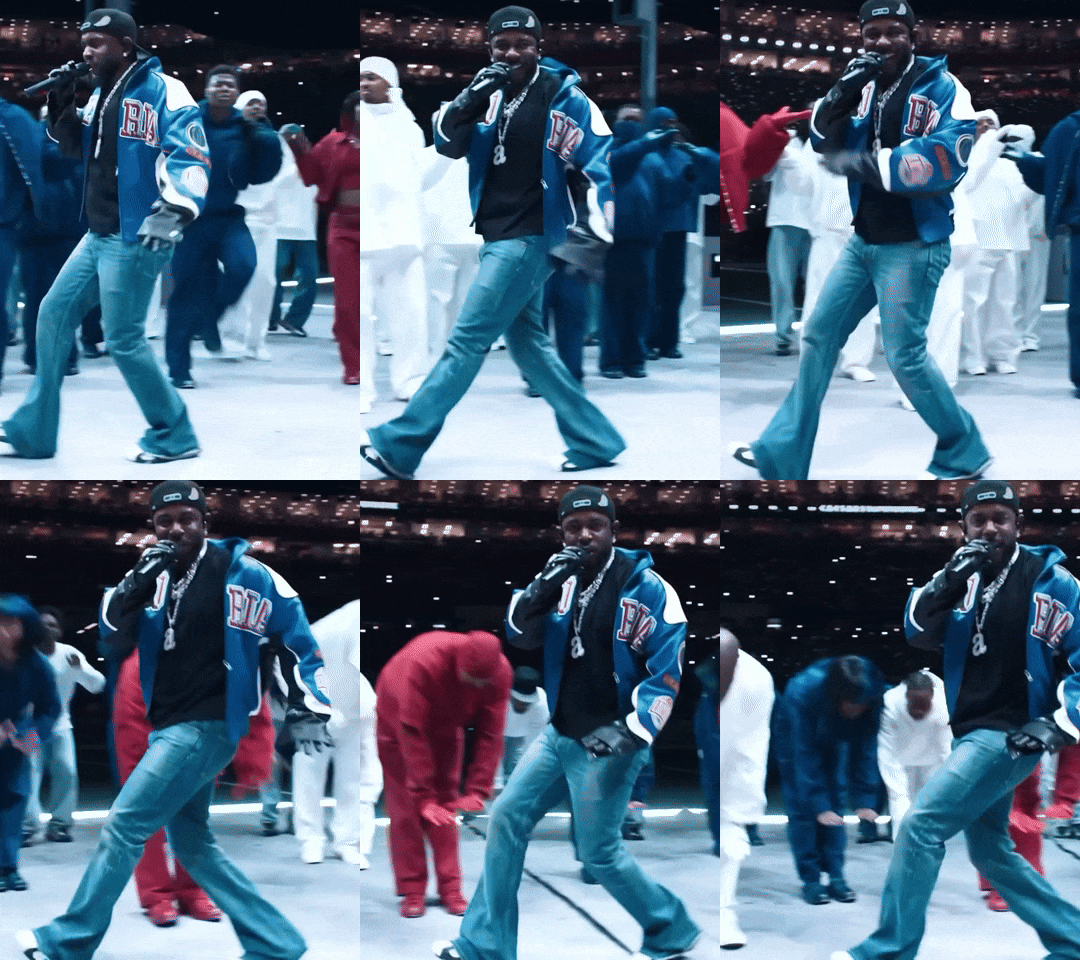
I ain’t even gonna like.
This is a mogul move right here…
Why?
It’s a strategic reclamation — a way to anchor his legacy in a structure he controls.
And while the trademark is still pending, given Mr. Duckworth’s global distinctiveness, the application is very likely to succeed.
Filing a trademark after leaving a label isn’t just symbolic.
It’s legal groundwork for creative independence, brand expansion, and long-term monetization.
By filing under his own name (rather than letting a label or third party control it), Kendrick set the tone for his next chapter — one where his name, likeness, and brand equity all remain under his terms.
It’s what ownership looks like — in action.

Let me be clear: I’m rooting for Doechii.
She’s a force.
Her sound is fresh.
Her branding is dynamic.
Her rise feels inevitable.
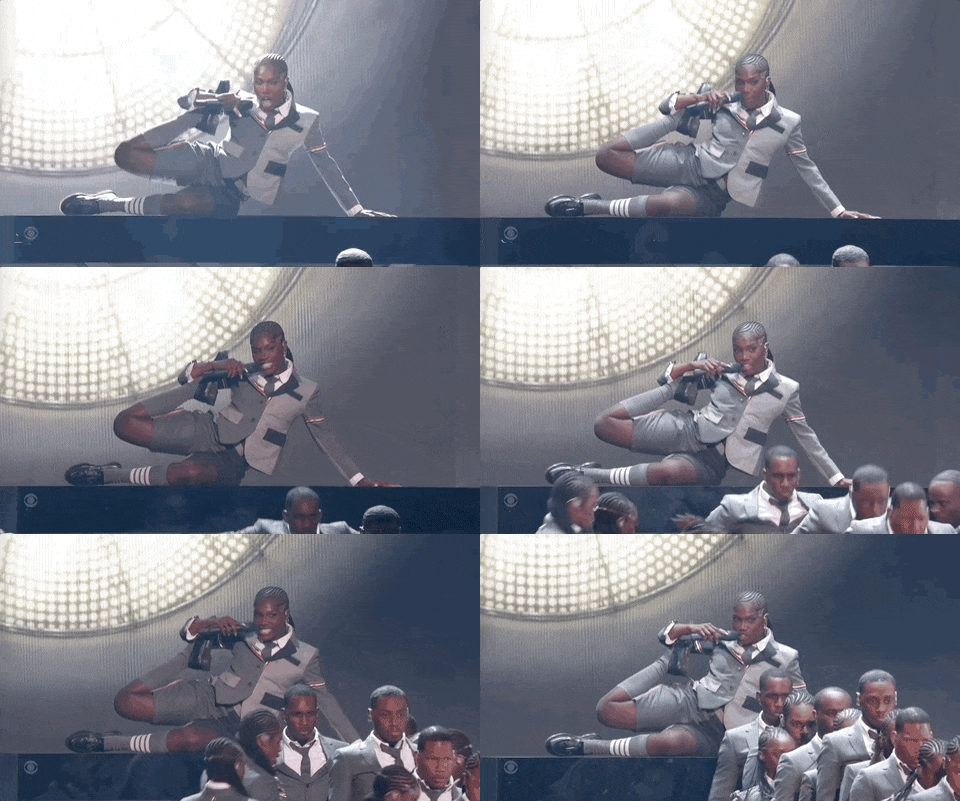
And I sincerely hope that — like Jay-Z, Beyoncé, and Kendrick — she’s taking steps to own her name, her likeness, her merch rights, and her legacy.
Because when the music stops or the spotlight fades, ownership is what builds the bridge to sustainability.
This is not just a music industry lesson.
It’s a universal brand lesson.

You don’t need to be a Grammy winner to understand the importance of brand ownership.
If your name, your ideas, or your creations are becoming recognizable — you should be protecting them.
Ask yourself:
Is your name tied to your work?
Is your IP (courses, content, designs, talks) legally protected?
Is someone else managing your brand’s legal assets — and if so, do you have visibility and control?
Because in the world of brand-building, success without ownership is a shaky victory.

You can be the face of your brand and still lose control of it.
Or you can follow the blueprint that artists like Kendrick and Beyoncé have laid out — and own your name, your vision, and your voice.
Your brilliance deserves to be protected — not just celebrated.

What did you do next? Let’s talk about it below.
Need Help Protecting Your Creativity?
If you are unsure—or if you know you need to take action—reach out to us.
We have helped countless founders and creatives safeguard their intellectual property, and we would love to do the same for you.
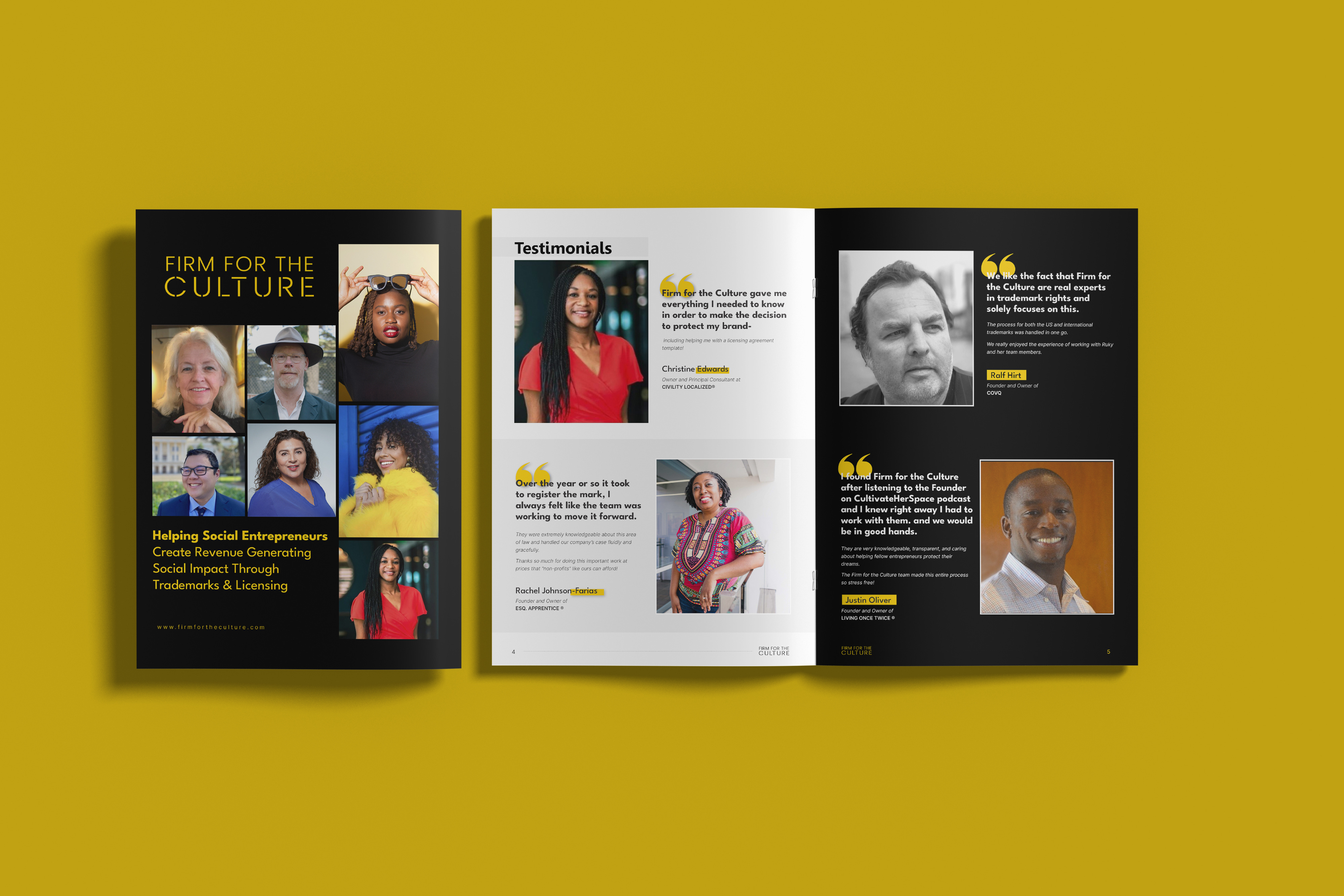
If you need further guidance, reach out to me and my team at Firm for the Culture.
We’re here to help you navigate the copyright, trademark, and thought leadership journey.
Can’t wait to help you protect your dynamic impact.
And #ThatsAWrap
The Doors of the Church Firm Are Open
Thanks for reading
See you next time.
Your articles are teaching me so much about copyright and trademarks. Things I never know or understood you are making my knowledge increase. Thank you so much and continue this beautiful journey of spreading knowledge.
Well said. As a former music publishing executive, I’ve preached this same sermon in addition to being in control of artists publishing royalties. Some heard the sermon and acted on it, others not so much.