

Hey Fam,
When the news broke that Shetellia Riley Irving had negotiated a $126 million contract for Kyrie Irving with the Dallas Mavericks, the world did what it always does.
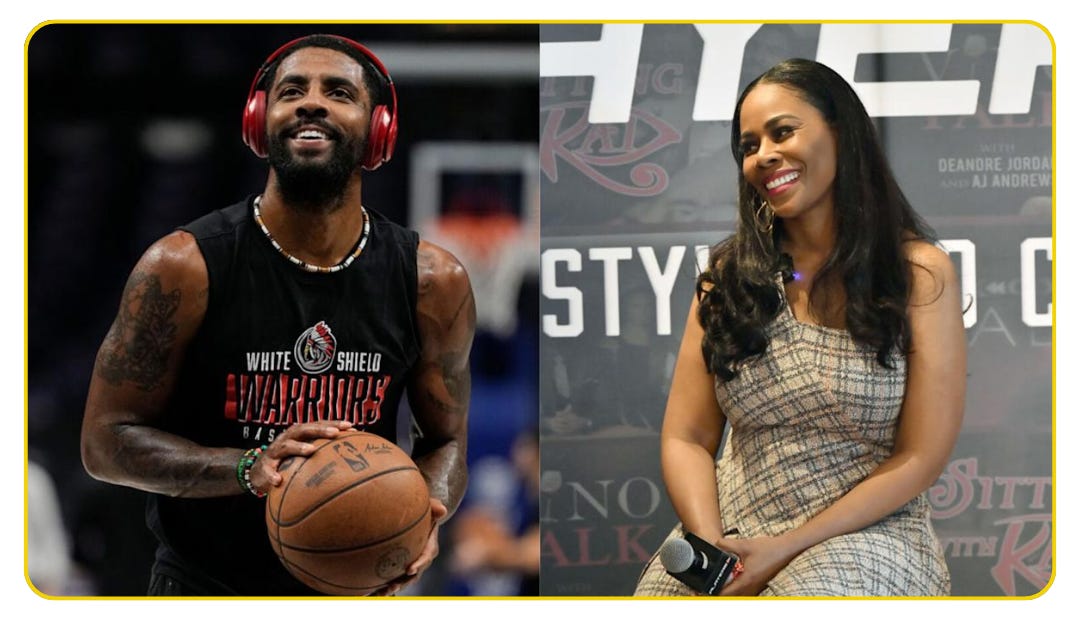
It flooded the headlines with the number.
$126 million. First Black woman agent in NBA history. Historic. Groundbreaking. A barrier broken in a space that was never designed to include her.
And all of that is true.
But I want to tell you something, and I need you to hear it the way I mean it.
The $126 million does not impress me.
Not because it is not significant — it is. But because if you stop at the headlines, you miss the only part of this story that has anything to do with you.
You miss the part that actually tells you something worth carrying.
Let me explain…
The Part I Think About at My Desk
As a full-time entrepreneur and attorney, I have a specific reaction when a story like this surfaces.
Most people read it as a career story. A triumph story. A representation story. And it is all of those things.
I read it as a preparation story.

I read it to obtain insight into what Shetellia built before anyone was watching.
What she built in obscurity.
And, as expected, this big headline came with a longer story; Shetellia Riley Irving spent thirteen years at Black Entertainment Television as a vice president before she ever negotiated an NBA contract.
And before that, she was a senior account executive at Power 105.1 radio in New York.
When Kyrie was a teen, Shetellia would bring him into the radio booth and let him watch her work — not as his agent, not as a sports executive, but as a woman who understood negotiation, understood leverage, understood what it meant to be a voice for someone who needed one.
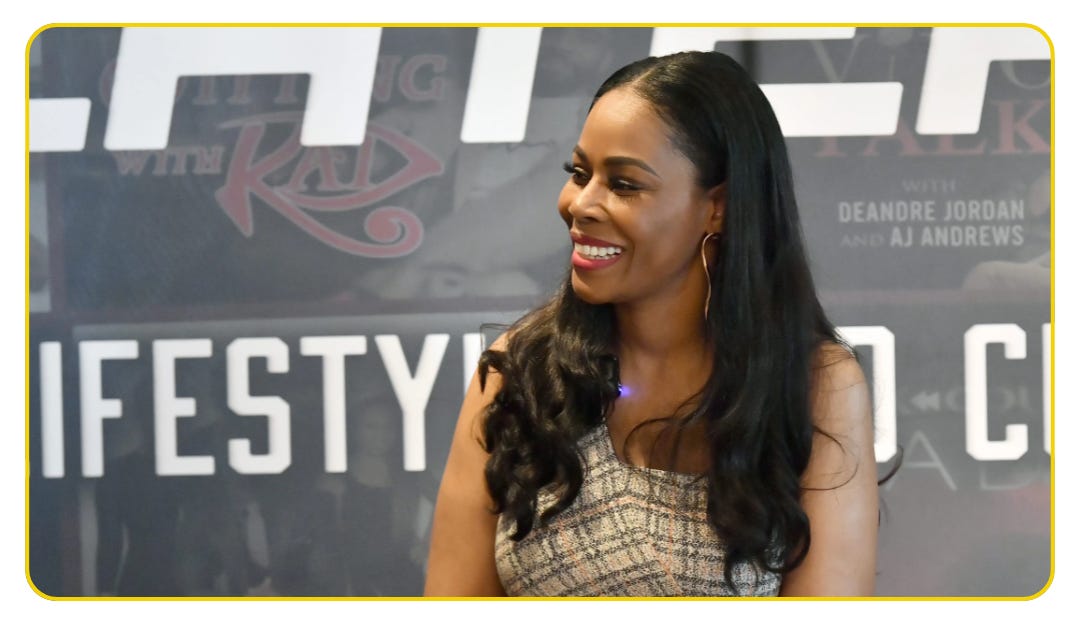
She was not building toward sports. She was building toward the moment.
And when Kyrie Irving’s career hit one of its lowest points — public controversy, a trade, a new city, a fanbase still forming an opinion — he handed the most consequential business decisions of his career to his stepmother.
Now, that’s impressive.
When the Number Isn’t the Point
When my team and I sit with a client who is in the middle of a deal — a licensing agreement, a brand collaboration, a partnership that could change everything — there are two versions of that conversation.
The version that goes well is when they know what they own. They can point to the filing. The registration. The agreement that says: this is mine, and here is the proof.
The version that does not go well is when someone built something extraordinary — a name, a creative format, a voice people recognize and trust — and the legal infrastructure was never built to match it.
That gap. Between what you built and what you actually own. That is where deals go sideways. That is where someone else walks away with what you created.
Shetellia did not walk into that negotiating room “hoping” the number would be big enough. She walked in knowing exactly what she was protecting, exactly what it was worth, and exactly what she was willing to walk away to defend.
That is not luck. That is not talent alone. That is preparation — built quietly, over years, in rooms where nobody clapped for her.
In this Founder’s Letter, we are going to talk about what it looks like to build before the moment arrives, why trust is its own kind of leverage, and what good representation actually looks like — because I think you deserve to understand the standard.
Ready?
Let’s get into it.

Loving This Post?
Show us some love by adding a “❤️” or commenting below; this will make our hearts sing.

The Firm for the Culture - THE SPEAKER PROTECTION Series
We’ve got a series of workshops, all for you!
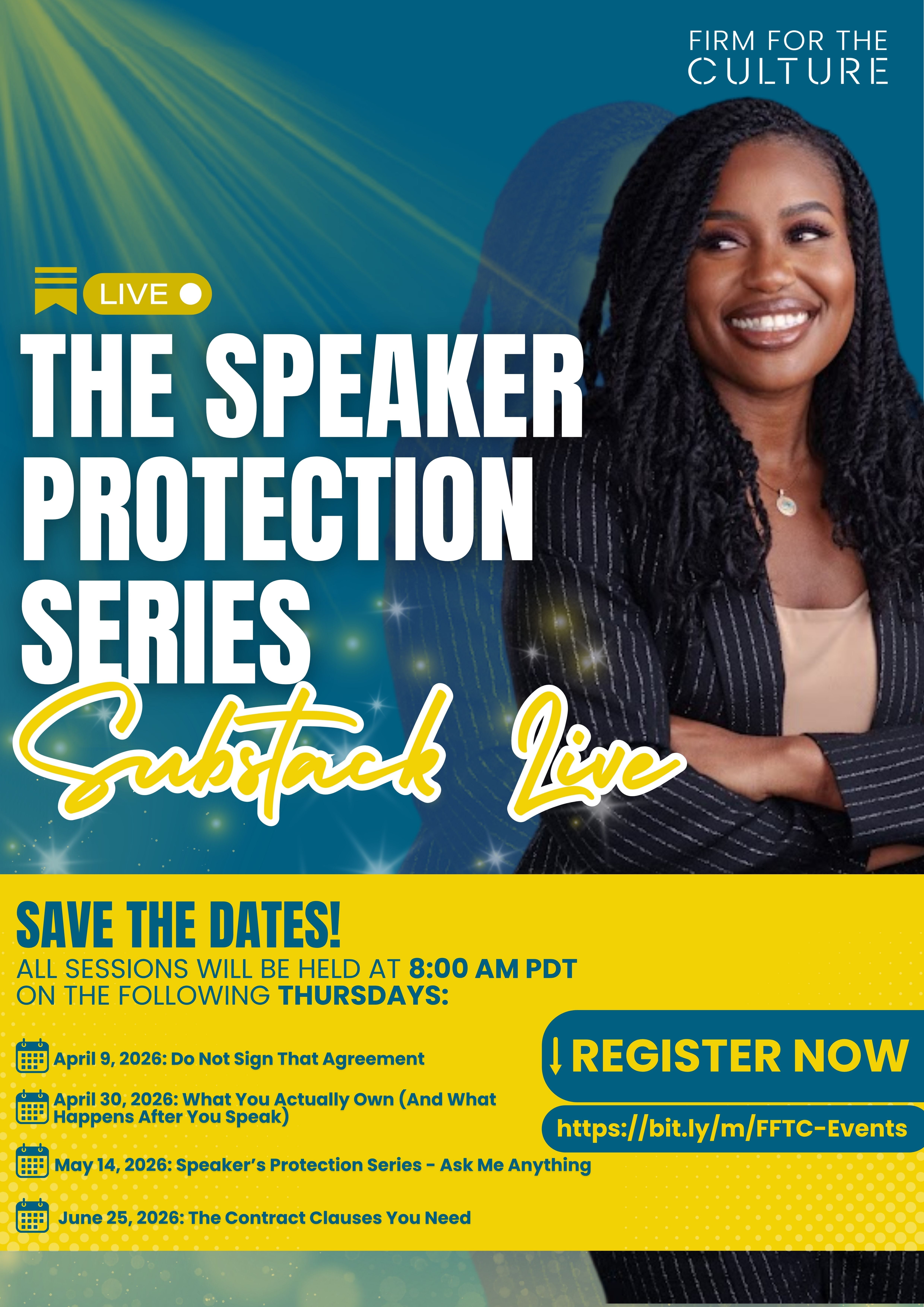
Speaking builds visibility. But it also creates intellectual property.
This series breaks down what actually happens to your ideas, your content, and your rights once you step on stage. From contracts to ownership to licensing, we’ll explore how speaking opportunities can either build long-term value—or quietly take it away.
We’ll cover: how speaking engagements intersect with intellectual property, what speakers often overlook when accepting opportunities, and how to approach speaking as both a visibility and ownership strategy.
What you’ll walk away with: A clearer understanding of how to protect, position, and leverage your content as a speaker—before, during, and after every engagement.
Here’s a preview for your viewing pleasure:
Workshop 3: The Speaker Protection Series: Ask Me Anything + IP Basics
(Copyright, Trademark, Patent)
📅 May 14, 2026 at 8:00 a.m. PDT
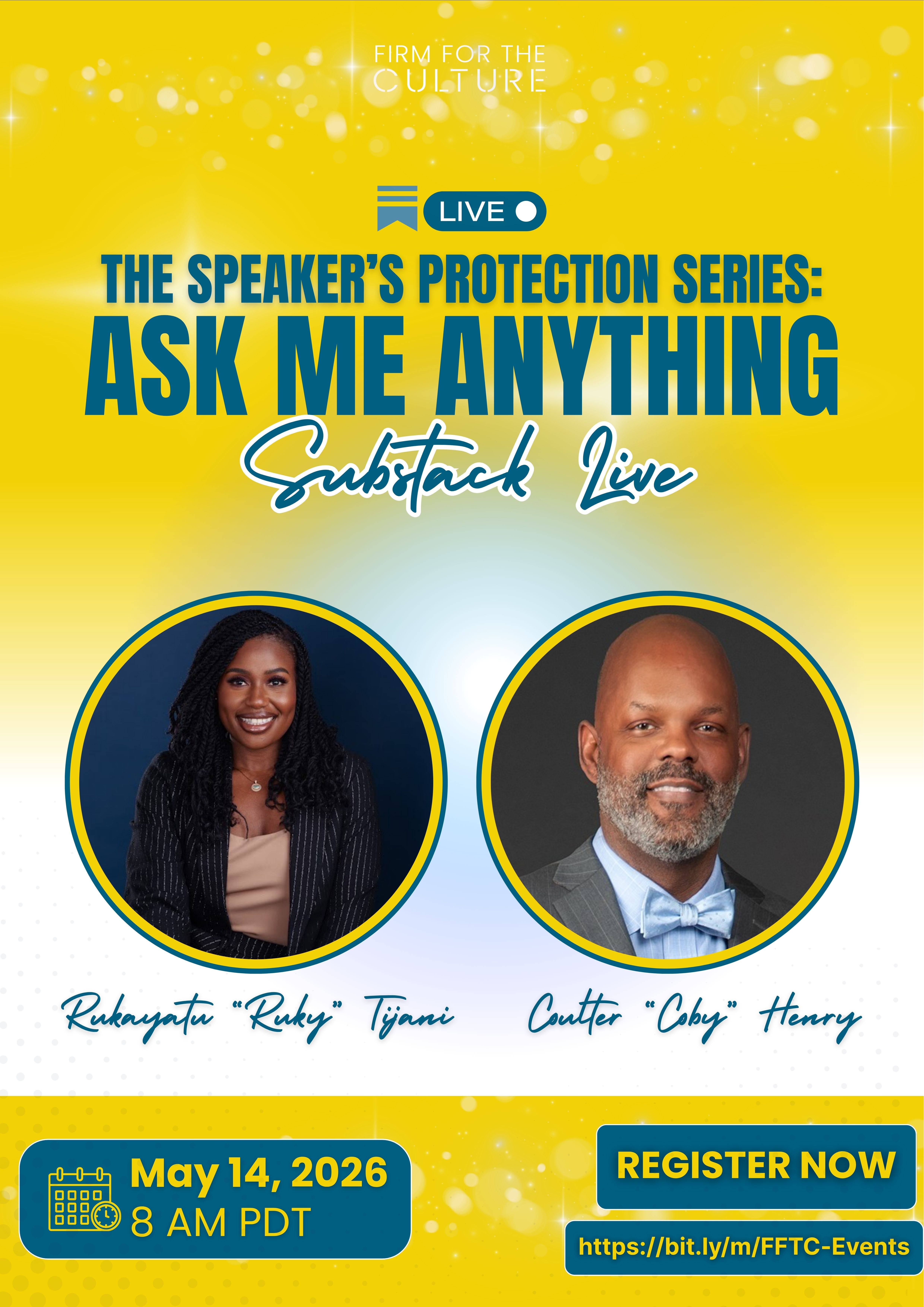
Before strategy, there has to be clarity.
This session brings everything back to the fundamentals—breaking down copyright, trademark, and patent in a way that’s clear, practical, and directly applicable to speakers and creators.
It’s also an open space to ask real questions based on real situations.
We’ll cover: what each type of protection actually covers, common misconceptions, and how these apply to your content, brand, and speaking engagements.
What you’ll walk away with: A solid foundation in IP and clearer answers to the questions you’ve been trying to figure out.
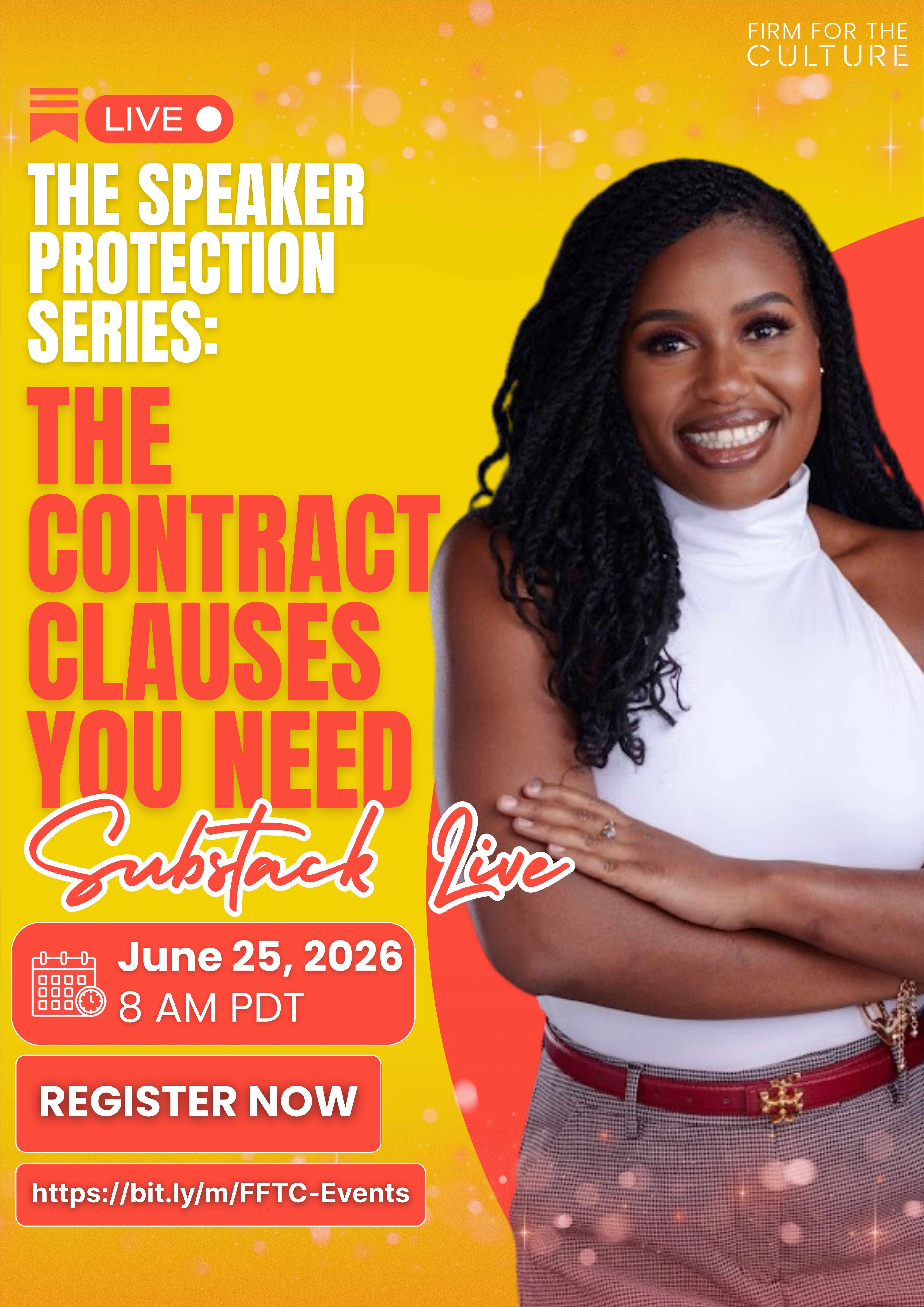
Workshop 4: The Speaker Protection Series: The Contract Clauses You Need
📅 June 25, 2026 at 8:00 a.m. PDT
Growth usually comes with paperwork. Protection comes with awareness.
This workshop focuses on the specific contract clauses that directly impact your control, ownership, and long-term leverage as a speaker.
We’ll cover: key clauses around ownership, licensing, usage, distribution, and how to structure agreements that actually protect your work—not just your participation.
What you’ll walk away with: A clear understanding of the clauses you need in place and how to approach contracts with intention and strategy.
Register for The Speaker Protection Series:: The Contract Clauses You Need workshop
For founders who are building brands. Creators who are shaping culture. Entrepreneurs who refuse to be extracted from.
Registration is FREE; in case you’re unable to make it, sign up and you’ll get the free notes.
After event recordings are $20.00 each.
Hope to see you there!
🔗 Sign up here: https://bit.ly/m/FFTC-Events
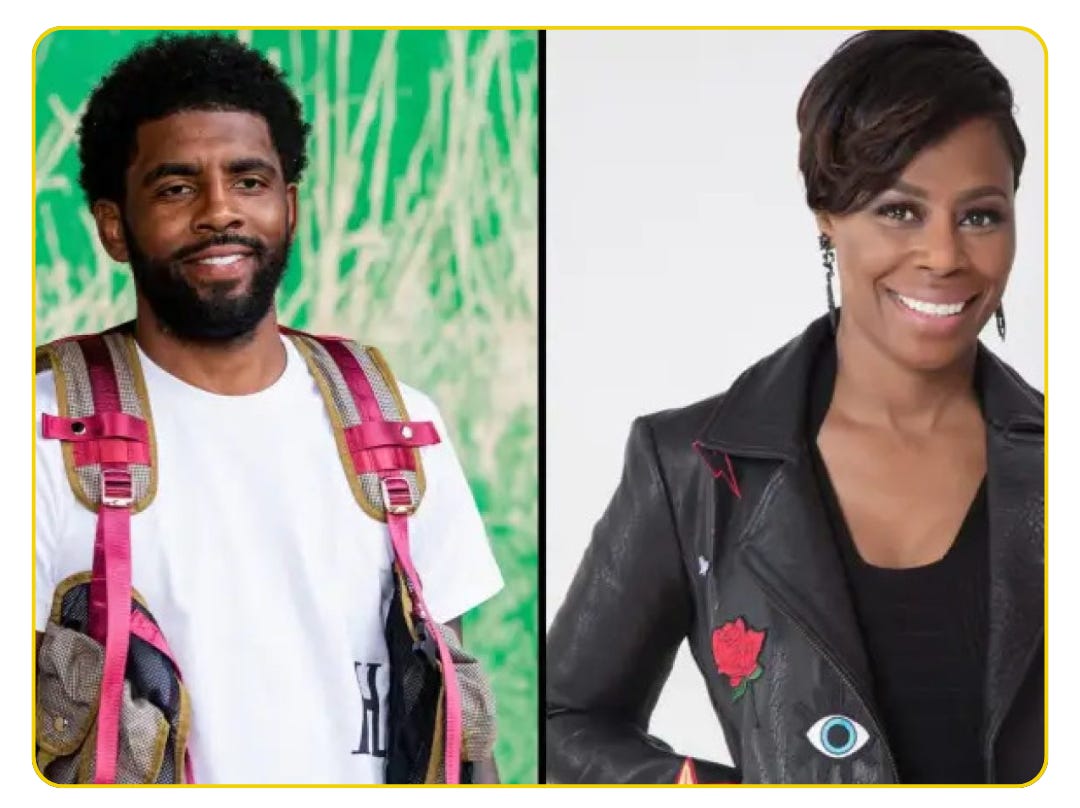
In a field where only 23% of agents are women and 10.4% are Black, Shetellia Riley Irving didn’t have the clearest map to navigate.
So she decided to build one.
She became Kyrie’s agent in March 2022 — during the hardest public stretch of his career.
But here’s the thing: she did not complete her first NBA contract until sixteen months later.
Those sixteen months included failed negotiations with the Brooklyn Nets, a trade to Dallas, and an industry that openly questioned whether she belonged at the table.
This reminds me of the trademark application process — which is just as long as her negotiations, if not longer.
Can you weather the ups and downs? The rejections? The refusals? The initial investments when the next step isn’t clear?
Because, here’s the thing: the USPTO doesn’t care about your timeline.
— Rukayatu Tijani, esq.
Your first Office Action might come six months in, rejecting your mark because of a “likelihood of confusion” with something you’ve never heard of.
You respond. You wait another four months. They refuse again — different reasoning this time. You’re now twelve months deep, thousands of dollars invested, and you still don’t have registration.
And unlike Shetellia, you don’t get news coverage tracking your progress.
Nonetheless, you have a decision to make: keep going, or walk away from what you’ve already built.
— Rukayatu Tijani, esq.
Shetellia didn’t have the typical experience. In fact, she had sixteen months of people telling her she didn’t belong.
Intellectual Property applicants don’t get a map either.
You get a filing receipt, a six - twenty four month wait, and a process designed to test whether you’re serious about protecting what you’re building.
The question isn’t whether the process is hard. It is.
The question is whether you're built for it, or if you have a team who can navigate the process while you focus on building.
Founder Gem: The legal work you do before the opportunity arrives determines how much of the opportunity you actually get to keep.

Can you relate to Shetellia’s story?
I certainly can.
When I read about Shetellia, I did not just feel inspired. I felt recognized.
Because what she does — the way she approaches her client, the standard she holds, the long-term thinking she insists on — that is what my team and I work to bring to every founder I work with.
She said this to Sports Illustrated, and I have not stopped thinking about it since:
“I don’t want Kyrie to come back two years from now saying ‘I signed this really bad deal and it didn’t make sense,’ because he didn’t understand it, or it was just about a money grab.”
— Shetellia Riley Irving
That sentence is everything.
It is the difference between representation that protects you and representation that just closes deals.
Between an advocate who understands your long-term interests and a representative who just gets your trademark registration so you can flex on the gram.
Between someone who is in your corner and someone who is just in the room.
Founder Gem: Good representation is not about closing the deal. It is about making sure you understand what you signed — and that it still holds up two years from now.
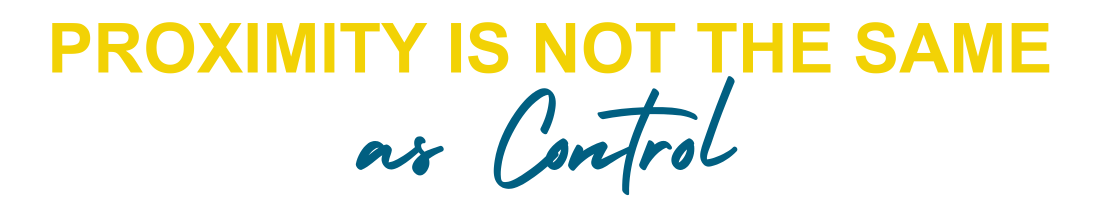
Proximity is not the same as control, and being in the right rooms means nothing if you’re unable to leverage the opportunity.
Shetellia was always close to Kyrie’s world. She had been his stepmother since he was a preteen. She was family. She had proximity.
But that didn’t mean she had control or influence over Kyrie’s life choices.
What this means? Shetellia did not become his agent because she was close to him. She became his agent because she built the credentials, the infrastructure, and the legal standing to do the work.
She formed A11Even Sports. She got licensed. She sat across from NBA front offices not as family — but as his agent and CEO.
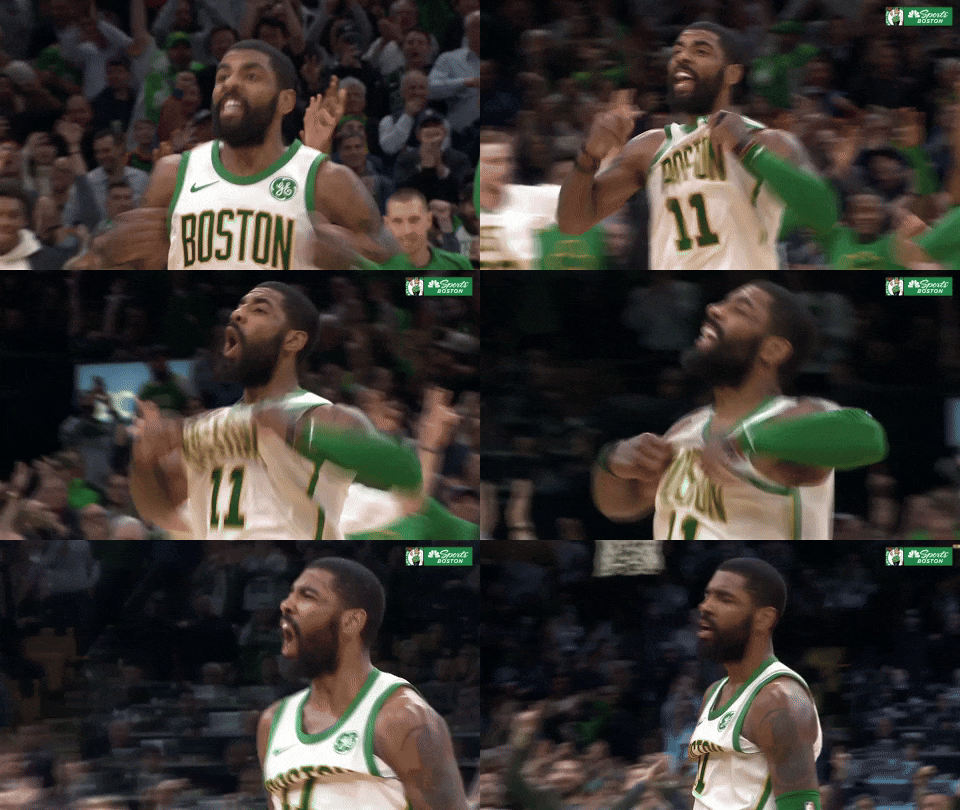
Being in the right rooms is valuable. Knowing the right people is valuable. Having a recognized name is valuable.
But without the appropriate legal framework, you’re essentially putting your unprotected IP at risk of being exploited by those who possess the power, resources, and privilege to steal your work without any recourse or accountability.
— Rukayatu Tijani, esq.
Being known does not give you legal standing. Being recognized does not give you the right to defend your brand when someone tests it. Proximity to opportunity does not protect you when the deal goes sideways.

Structure does.
The preparation that happens in obscurity — before the moment, before the deal, before anyone is paying attention — that is what creates the conditions for control.
That is what Shetellia built.
That is what we want to help you build.
Founder Gem: Access gets you into the room. Preparation determines what you walk out with.

I think about stories like this often.
Not as inspiration — though they are that. But as architecture. As a blueprint for what it looks like when someone takes the unglamorous, invisible, preparatory work seriously enough to let it change the outcome.
Every person we sit with is at some version of that crossroads. The business they have built and the business they could own — fully, legally, structurally — if they chose to close that gap.
The gap is closeable.
The bridge is still buildable.
The preparation that happens in obscurity is not a delay on the way to your moment. It is the moment. It is the work that determines everything that comes after.
Shetellia Riley Irving did not become historic in June 2023.
She became historic thirteen years before that, in every room nobody photographed, building the thing that the $126 million required her to already have.
The work happens in obscurity.
The moment just reveals whether you did it.

What is one piece of legal infrastructure you have been putting off — the filing, the registration, the agreement — that you know needs to be in place before your next big opportunity arrives?
Drop a comment—I read each and every one.

Want to know where your business actually stands on that gap?
Let’s talk — and make sure your name isn’t just recognized. It’s protected.
Book a Strategy Session with Firm for the Culture and let’s make sure your name isn’t just recognized—it’s protected.
Need Help Protecting Your Creativity?
If you are unsure—or if you know you need to take action—reach out to us.
We have helped countless founders and creatives safeguard their intellectual property, and we would love to do the same for you.

If you need further guidance, reach out to me and my team at Firm for the Culture.
We’re here to help you navigate the copyright, trademark, and thought leadership journey.
Can’t wait to help you protect your dynamic impact.
And #ThatsAWrap
The Doors of the Church Firm Are Open
Thanks for reading
See you next time.