

Hey Fam,
Picture this.
The theater goes dark.
A Black boy in Oakland watches Black Panther for the first time.
He sits up straighter.
Eyes wider.
Attention never leaving the silver screen.
He witnesses the action.
The accents.
The ancestral connection he never knew he needed.
For once, the hero (finally) looks like him.
And the world he’s witnessing doesn’t flinch.
It leans in.
This, my friends, is what representation looks like.

That moment? That’s reclamation.
And it didn’t happen by chance.
It was intentional, and it was, dare I say, ingenious.
Because, here’s the thing we far too often forget: Black stories have never lacked brilliance.
However, what’s often missing—what has always been denied or diluted—is ownership.
For decades, Hollywood filtered Black narratives through non-Black gatekeepers. Studios decided what got made, who got cast, how stories were shaped, and who reaped the rewards.
But something extremely powerful happens when Black creators no longer just perform in front of the camera—but also own what happens behind it.
As I’ve learned in my years an intellectual property attorney (and IP owner as well), ownership turns storytelling into self-determination.
And we’re seeing it unfold in real time through the rise of Black-owned production companies: Proximity Media. SpringHill. Hillman Grad. Hoorae. ARRAY.
These aren’t just logos or catchy brands—they are legal structures holding the keys to wealth, autonomy, and legacy.
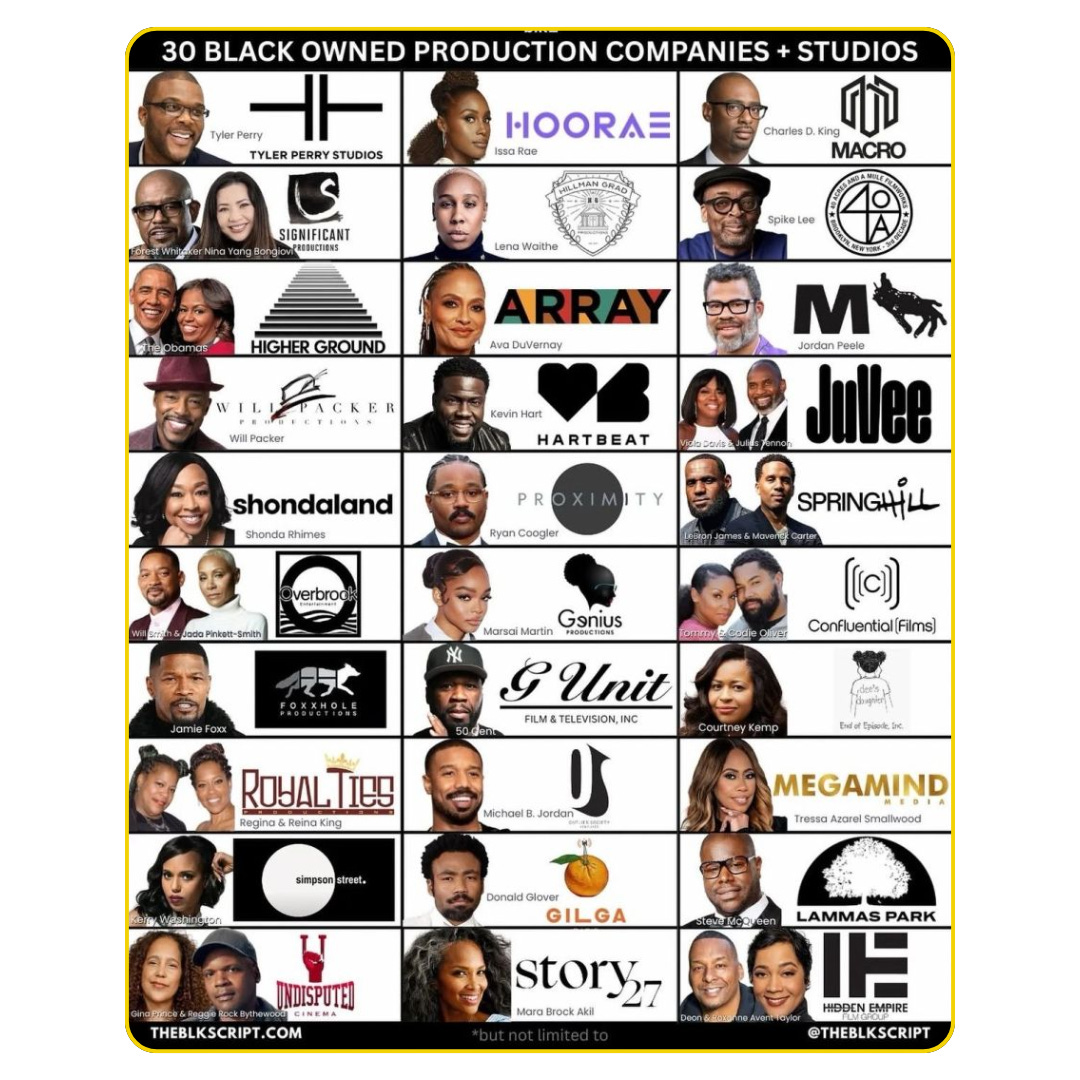
Because when we own the studios, the scripts, the seats at the table—and yes, the copyrights and trademarks — entire systems shift.
Representation expands not just on-screen, but in the contracts.
Equity gets embedded in the deal memos.
Power gets built in the LLC.
And the impact?
→ Wealth and opportunity stay within the community.
→ Black culture is preserved, protected, and reimagined.
→ And, like that beautiful Black Boy in Oakland, audiences see themselves reflected with pride, complexity, and possibility.
Because when we do more than tell stories.
We redefine what power looks like.

In this Founder’s Letter, we’re breaking down a simple truth: ownership is the real power play.
And we’re going to do it through a case study: Ryan Coogler’s meteoric rise and reclamation of our stories through IP ownership.
Ryan Coogler’s deal for Sinners shows how strategy, structure, and the right clauses can turn creativity into long-term equity.
From this, you’ll walk away with affirmation that your own ideas have value, and the contracts you sign determines who benefits.
But protection and ownership are the catalysts to unlocking this cultural shift.
Ready?
Let’s get into it.
But first, let’s pay some bills…
Show us some love by adding a “❤️,” giving a share, or commenting below; this will make our hearts sing

And Second, Church Announcements:
We’re Hosting the LAST Workshop the “Leverage Your Brilliance” Series!
Whew….
We’re officially nearing the end of this workshop series.
With only one session left on December 4, I’m deeply grateful for every founder, creative, and culture shaper who has shown up, engaged, and trusted me to walk with you through this Leverage Your Brilliance journey.
Thank you for joining me and for giving your time, your curiosity, and your energy to these conversations. Your presence made this series what it is.
I can’t wait to see you at our final session and I’m even more excited for what we’ll build together in next quarter’s Substack Live. Stay tuned.
We’re closing the series with one last workshop.
And you already know — it’s gonna be good.
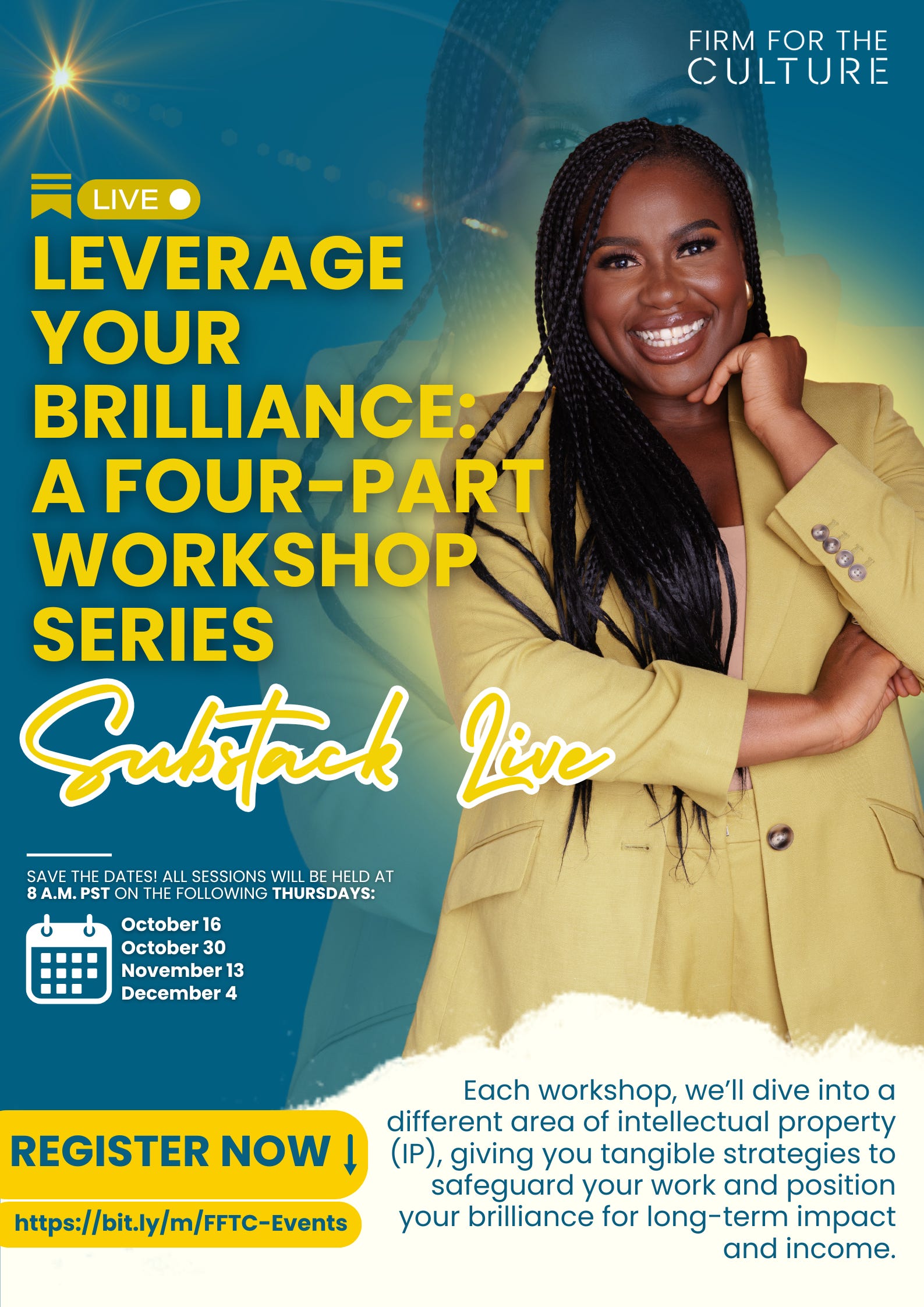
Workshop Lineup:
What to Do Before You Brand: October 16, 2025The pre-legal foundation that helps you build a brand worth protecting.
Copyrights for the Culture: October 30, 2025From music to course materials, learn how to protect the creative works you’ve poured your soul into.Introduction to IP Licensing: November 13, 2025A breakdown of how licensing works, what to watch for, and how to get paid while keeping ownership.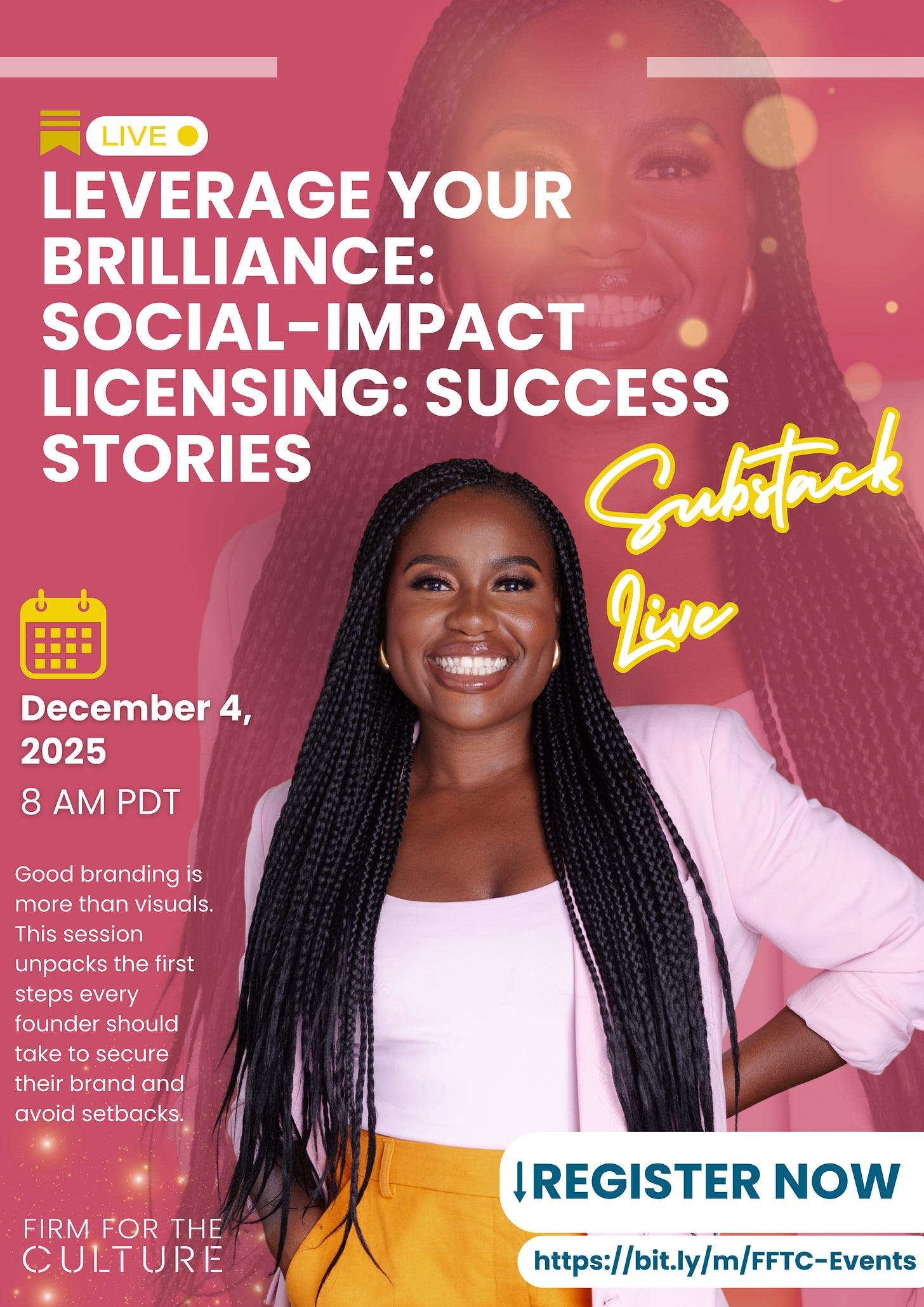
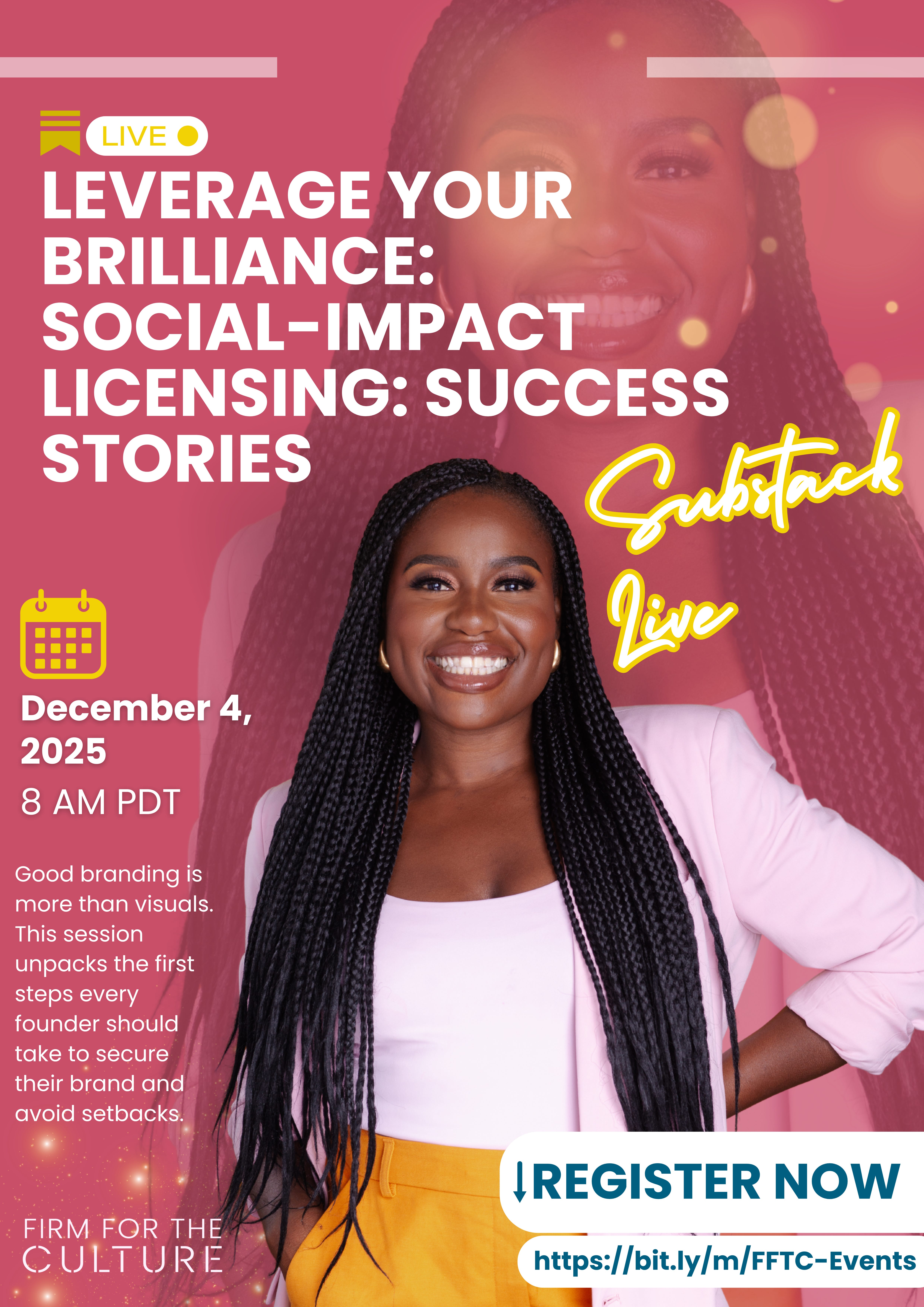
Social Impact Licensing: Success Stories: December 4, 2025 at 8:00 a.m. PST
Real-life case studies of brands who’ve turned impact into income without compromising their mission.
Register Here: SOCIAL IMPACT LICENSING
Also, let’s have a pre-workshop check-in:
So tell me in this poll:
Let’s close the year strong — with strategy, clarity, and protection for the intellectual property that’s been building your legacy all along.
Now, back to our regularly scheduled program…. :)
Case Study: Ryan Coogler and the IP Masterclass Behind Sinners
Ryan Coogler has always been a brilliant filmmaker.
But it’s his quiet, calculated approach to ownership that makes him revolutionary.
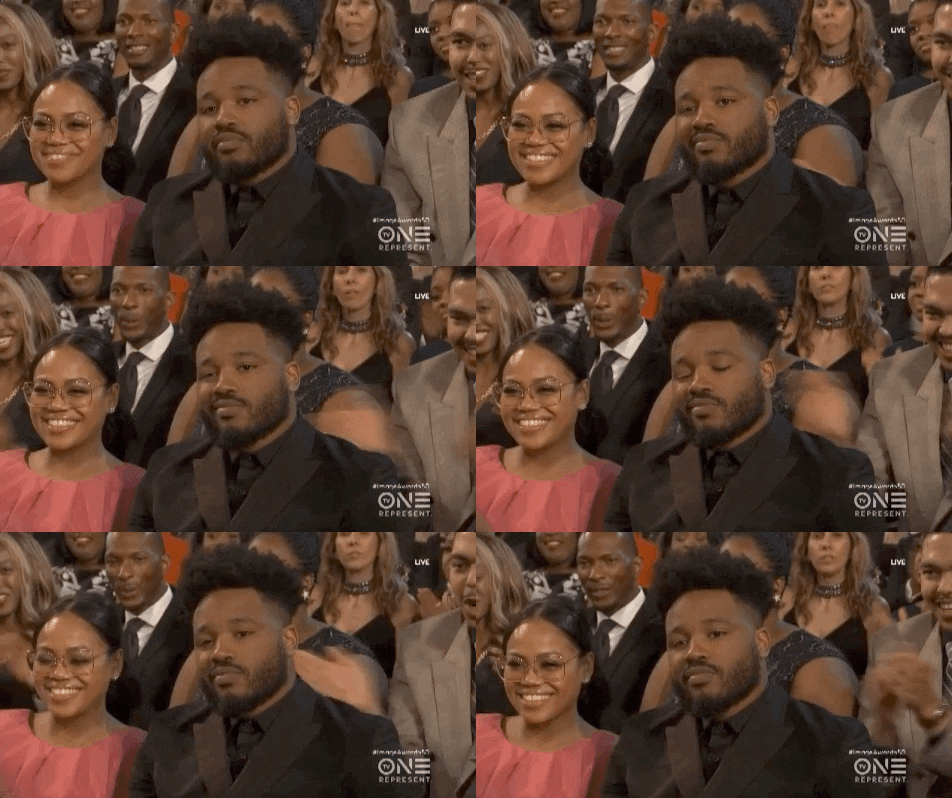
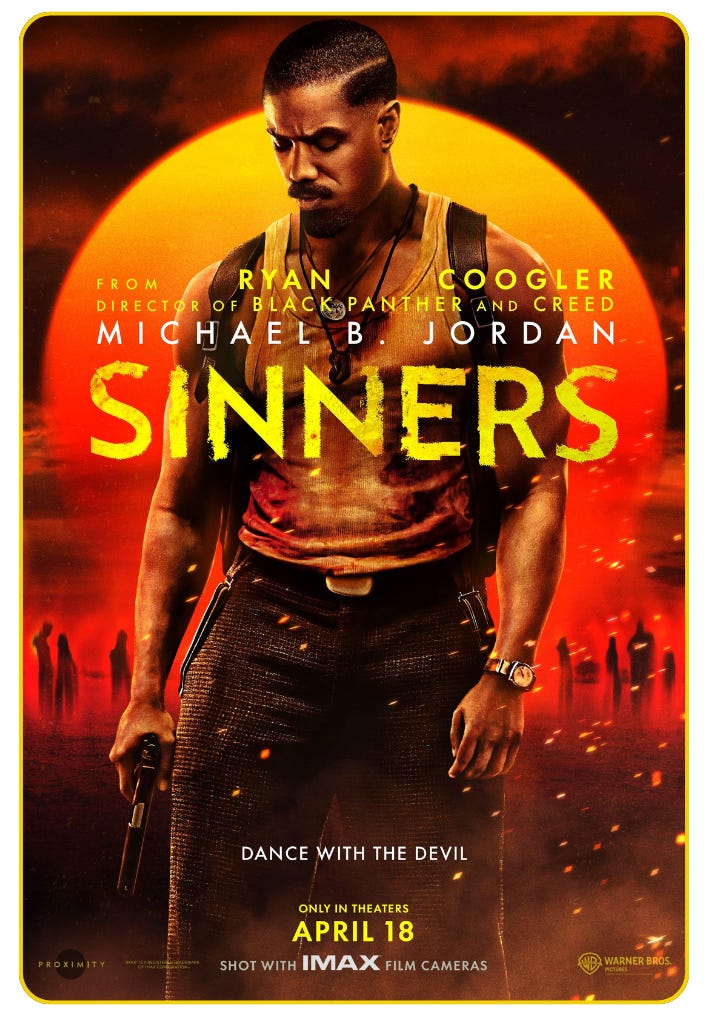
Let’s look at the IP blueprint behind his latest project, Sinners—a supernatural thriller in production at Warner Bros.—and why it matters for creatives, founders, and disruptors alike.

Coogler didn’t just make a deal to direct Sinners. He made a deal to own it—eventually.
Warner Bros. currently holds the copyright to the film:
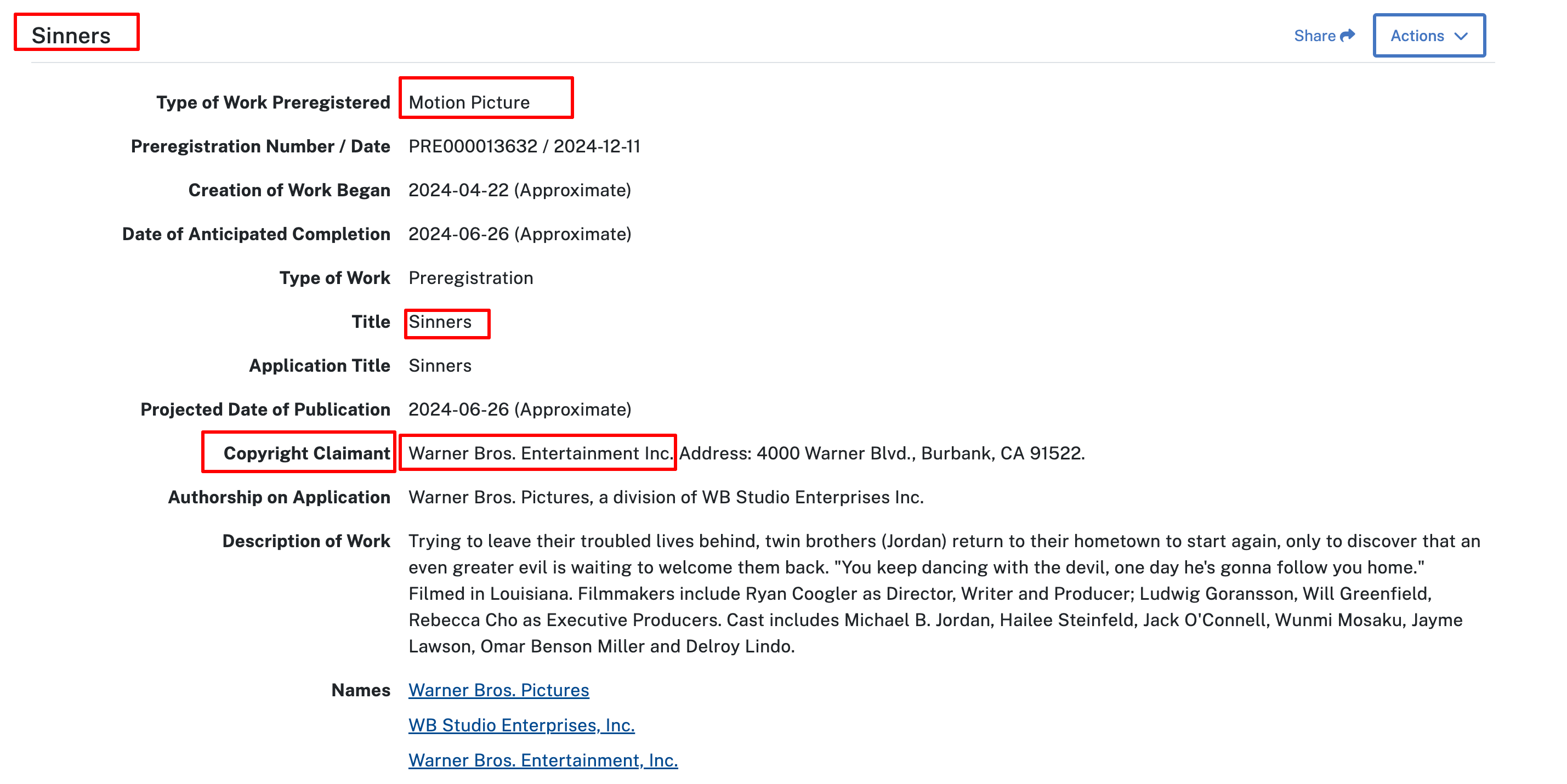
But, according to public sources, built into the agreement is an IP reversion clause: full and complete ownership of the movie reverts to Coogler after 25 years.
This kind of clause is rare.
But it’s not new—Quentin Tarantino negotiated a similar deal for Once Upon a Time in Hollywood.
What’s different is that this time, the reversion clause benefits a Black-owned production company—Coogler’s Proximity Media.
This is the long game.
The movie might gross millions now. But in 2050, when it’s a cult classic, taught in film school, remixed for other forms of media, or optioned for a sequel or prequel—Coogler owns the asset outright.
It’s the kind of deal that builds generational wealth.

Coogler also secured first-dollar gross participation in Sinners. That means he gets paid from the first ticket sold—before Warner Bros. recoups costs.

In traditional Hollywood accounting (often nicknamed “creative accounting”), studios delay or avoid payouts to producers by burying profits under expenses. But with first-dollar gross, there’s no waiting.
Coogler’s checks start flowing from day one.

It’s not just smart. It’s rare. And it signals something else:
→ He’s not just a talent. He’s a partner.
→ He’s not just showing up. He’s building infrastructure.
→ He’s not waiting for crumbs. He’s claiming equity at the start.

Here’s the legal nuance that seals the brilliance.
While Warner Bros. is listed as the official “author” of Sinners (and thus the copyright owner—for now), Coogler is getting paid separately as the writer, director, and producer—each role likely contracted through his company, Proximity Media.

This means:
He gets at least three different revenue streams for one film.
He maintains flexibility and liability protection via a corporate structure.
And once the reversion hits, he holds the keys to the entire IP.
Even when he doesn’t own it yet—he’s positioning himself to profit from it, leverage it, and eventually inherit it.
This is IP strategy in motion. And it’s textbook IP leveraging, structuring, and long-tail thinking.

You don’t need to be a Hollywood filmmaker to take notes.
If you’re:
Building a course,
Writing a book,
Launching a podcast,
Licensing a framework,
Pitching a brand collaboration…
Then you have IP worth protecting—and monetizing.
→ You can license your ideas instead of selling them.
→ You can build reversion rights into your contracts, particularly for intellectual property you create for other organizations.
→ You can retain authorship, or be paid as an independent contributor, even when someone else funds the project.
→ You can turn your creativity into corporate structure.
Ownership isn’t just legal. It’s liberating.
It’s strategic. It’s legacy. It’s leverage.
And it starts with understanding what’s on the paper—before you sign.

When Ryan Coogler sits across from Warner Bros., he’s doing more than negotiating film terms.
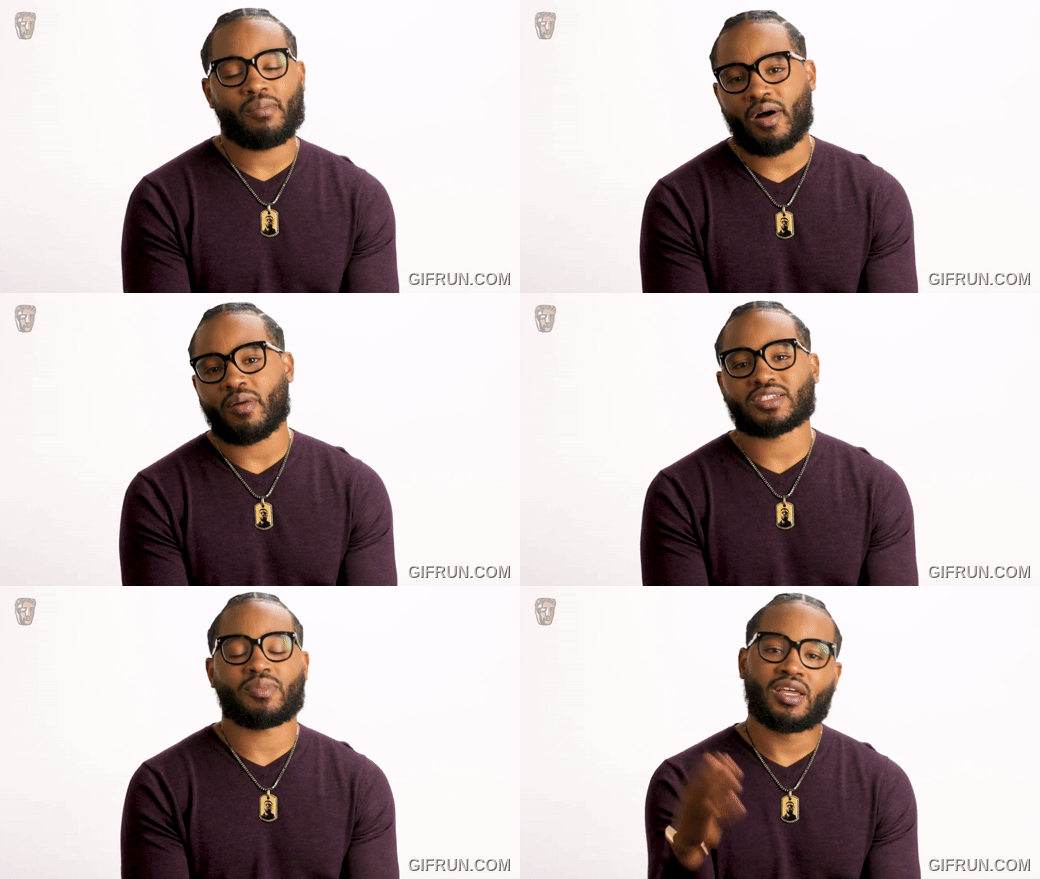
He’s negotiating history.
He’s building infrastructure for his descendants.
He’s showing us what’s possible when Black brilliance meets legal literacy.
That’s not just a contract.
That’s a blueprint.

What’s some intellectual property you’re excited to leverage?
Share your thoughts in the comments!

Want help figuring out whether your name—or brand—is ready for trademark protection?
We’ve got you.
Book a Strategy Session with Firm for the Culture ($750) and let’s make sure your name isn’t just recognized—it’s protected.
Need Help Protecting Your Creativity?
If you are unsure—or if you know you need to take action—reach out to us.
We have helped countless founders and creatives safeguard their intellectual property, and we would love to do the same for you.
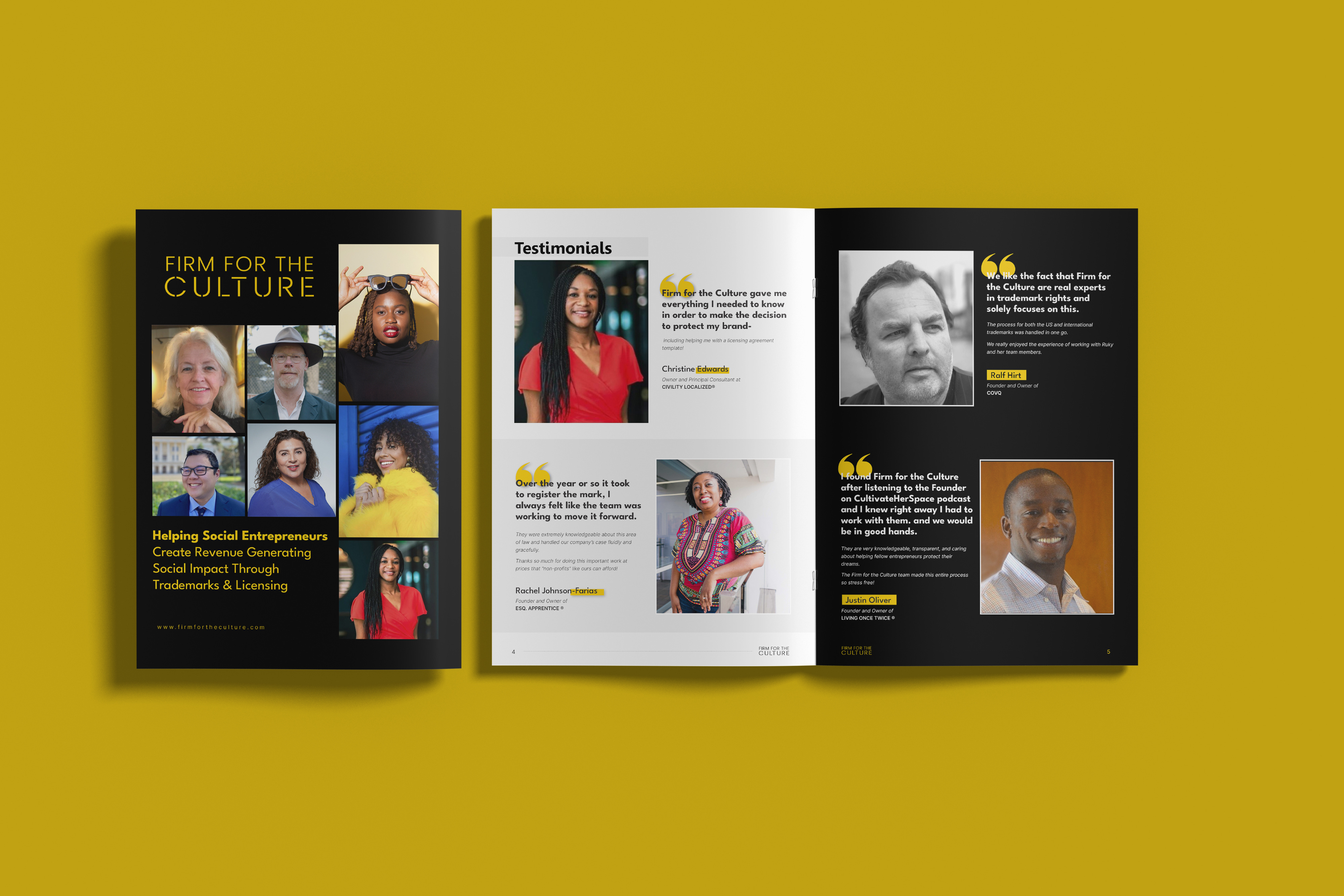
If you need further guidance, reach out to me and my team at Firm for the Culture.
We’re here to help you navigate the copyright, trademark, and thought leadership journey.
Can’t wait to help you protect your dynamic impact.
And #ThatsAWrap
The Doors of the Church Firm Are Open
Thanks for reading
See you next time.
You are a phenomenal writer and storyteller about the importance of IP. I loved the Ryan Coogler breakdown, how he earns 3 streams of revenue and how these gems can be applied to our businesses. By far my favorite newsletter!