
Hey Fam,
There is a woman who has been alive long enough to watch the entire world transform around her — twice.
She met her husband Jackie Robinson on a college campus in 1940. She watched him walk onto a baseball field in 1947 and change the country.
She buried him in 1972.
And a year later, her son, Jackie Robinson Jr., died in a car crash at just 24 years old.
Everything around this wife and mother told her to stop trying.
Instead, she got to work.
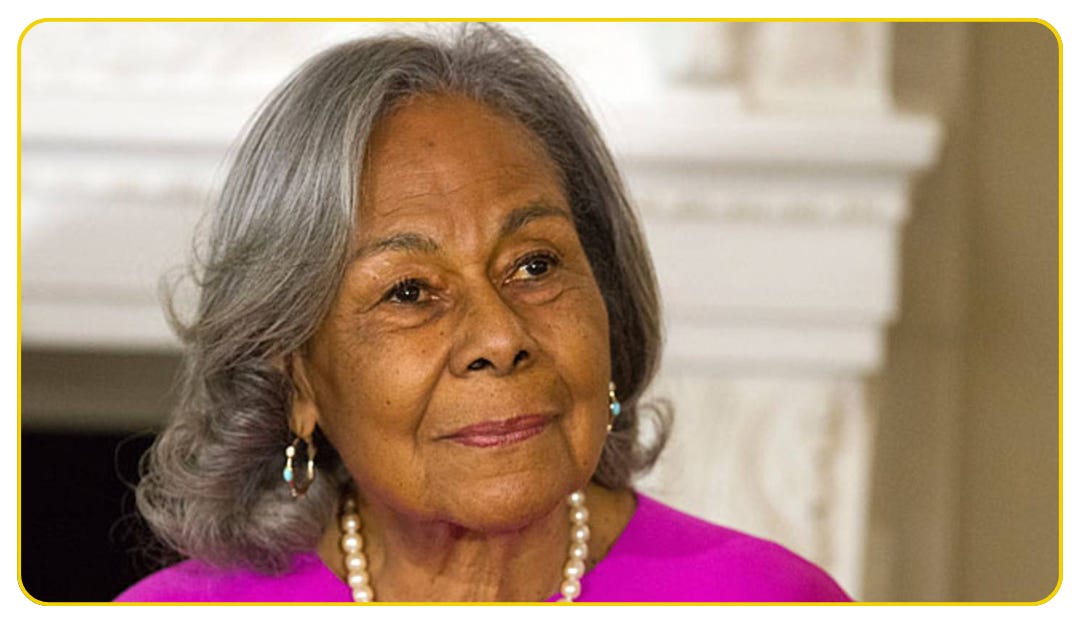
That woman is Rachel Robinson; she is 103 years old, and is still living life to the fullest.
But the most inspiring part?
The Jackie Robinson name she helped build is still generating revenue, still signing licensing deals, still funding scholarships for the next generation of leaders.
That’s not longevity or luck.
That’s intention and infrastructure.
Let’s break it down.
The Importance of Legacy
Rachel likely wasn’t talking about intellectual property when she spent the last five decades stewarding Jackie Robinson’s legacy.
But I am.
Cause it’s what I am purposed to do :).
Because, here’s the thing: the reason Jackie Robinson’s name still carries weight — still earns, still controls, still protects — is because someone made a legal decision about structure before the world had a chance to move on.
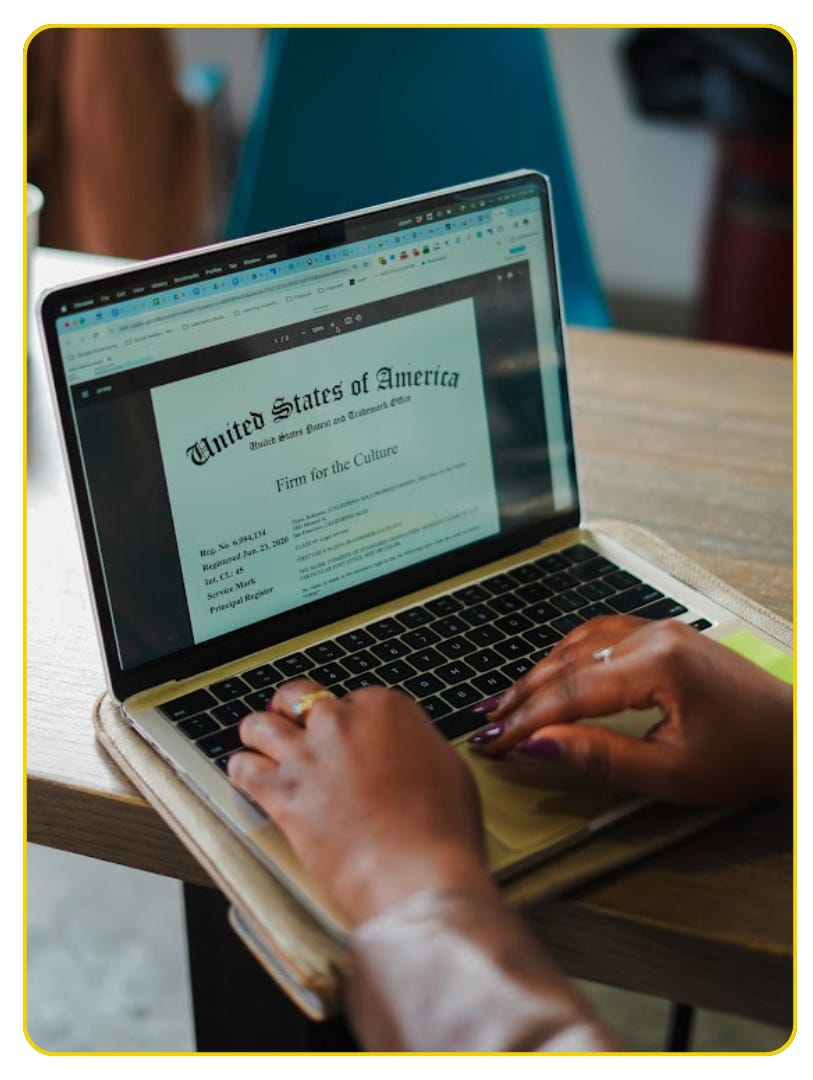
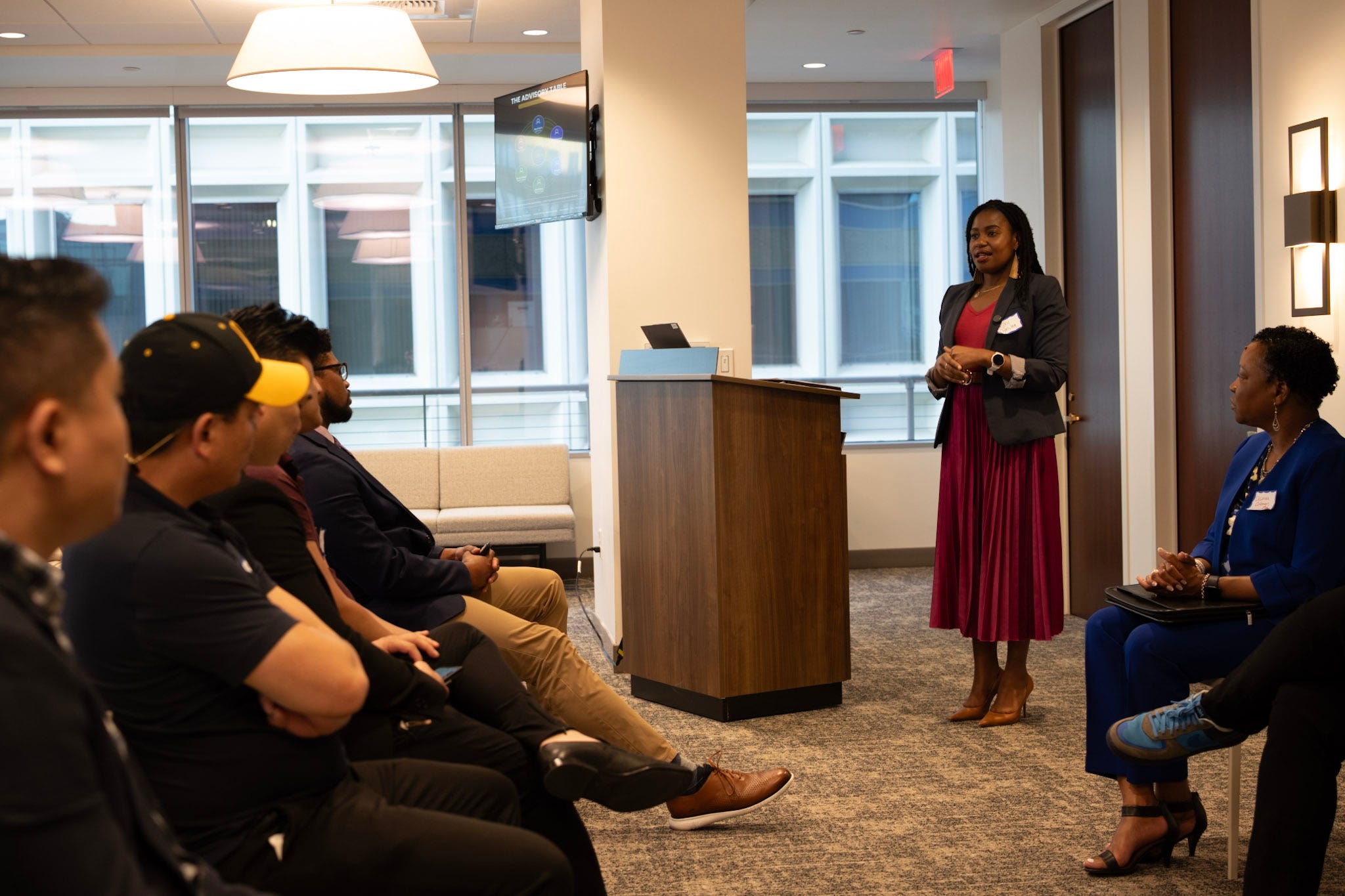
Quieter yet impactful stories like this remind me of why I started Firm for the Culture.
Granted, loud cases exist.
Knock-down, drag-out IP battles that end up in the news.
But the stories we engage as founders are often mundane and quieter than that — but just as high stakes.
The quieter stories are what I see every week sitting across from founders who have built something genuinely remarkable and have not yet made the decisions that determine whether they own it.
I see it in the consultation calls.
I see it in the DMs.
Someone has a name that people recognize, a phrase that’s become synonymous with what they do, a visual identity their audience can spot from across a room.
The brand has equity.
The recognition is real.
And the impact is palpable.

But alas, the infrastructure hasn’t caught up.
The trademark isn’t filed. The licensing terms aren’t defined. The ownership agreements between collaborators were never formalized. The estate plan doesn’t exist.
Rachel Robinson, like many founders, faced that exact moment. After all, her husband is the one and only Jackie Robinson.
But unlike many of us, Rachel made a different decision.
Like the parable of the talents, Rachel chose to multiply what she was given.
And in the end, the dividends are undeniable.
The name is still working fifty years later because someone decided, in grief, in uncertainty, with everything still raw — that she was going to be the steward of that name.
That is the work we aim to bring to every founder we sit with.
In this Founder's Letter, we are going to talk about what Rachel Robinson built, why the legal decisions she made in 1972 and 1973 are still paying out to this day, and what that means for the name and brand you are building right now.
Ready?
Let’s get into it.

Loving This Post?
Show us some love by adding a “❤️” or commenting below; this will make our hearts sing. Also, please share, we want this to get to as many folx as possible.

But first, Church Announcements.
When’s the last time you simply had a cup of coffee while interacting with Founders and learning about brand protection?

Well, we’ve got a series of workshops, all for you!
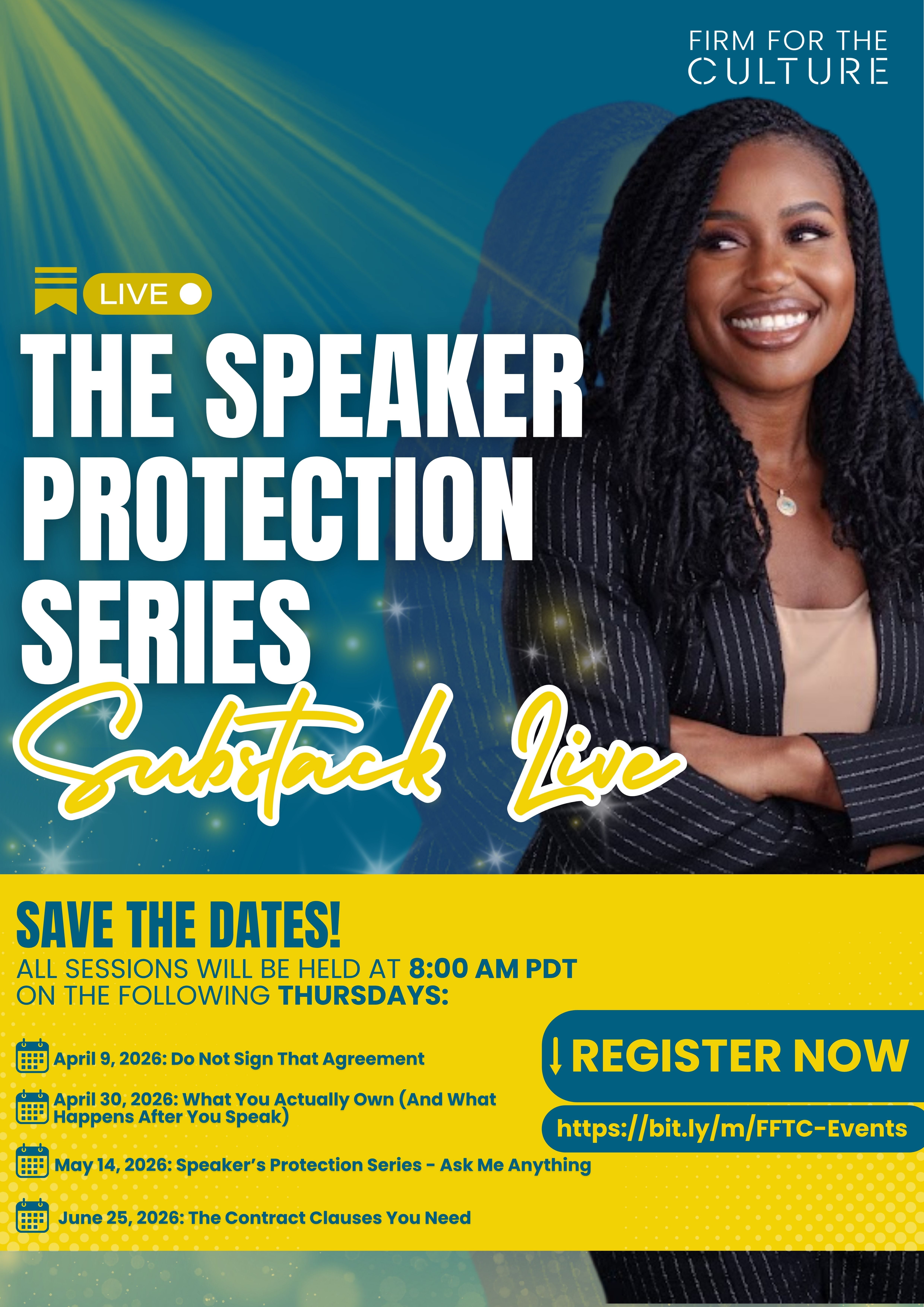
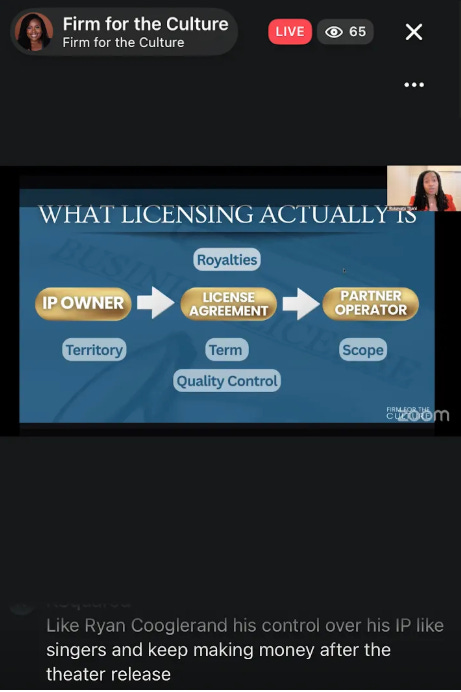
Speaking builds visibility. But it also creates intellectual property.
This series breaks down what actually happens to your ideas, your content, and your rights once you step on stage. From contracts to ownership to licensing, we’ll explore how speaking opportunities can either build long-term value—or quietly take it away.
We’ll cover: how speaking engagements intersect with intellectual property, what speakers often overlook when accepting opportunities, and how to approach speaking as both a visibility and ownership strategy.
What you’ll walk away with: A clearer understanding of how to protect, position, and leverage your content as a speaker—before, during, and after every engagement.
Here’s a preview for your viewing pleasure:
Our last workshop of this series!
Workshop 4: The Speaker Protection Series: The Contract Clauses You Need
📅 June 25, 2026 at 8:00 a.m. PDT
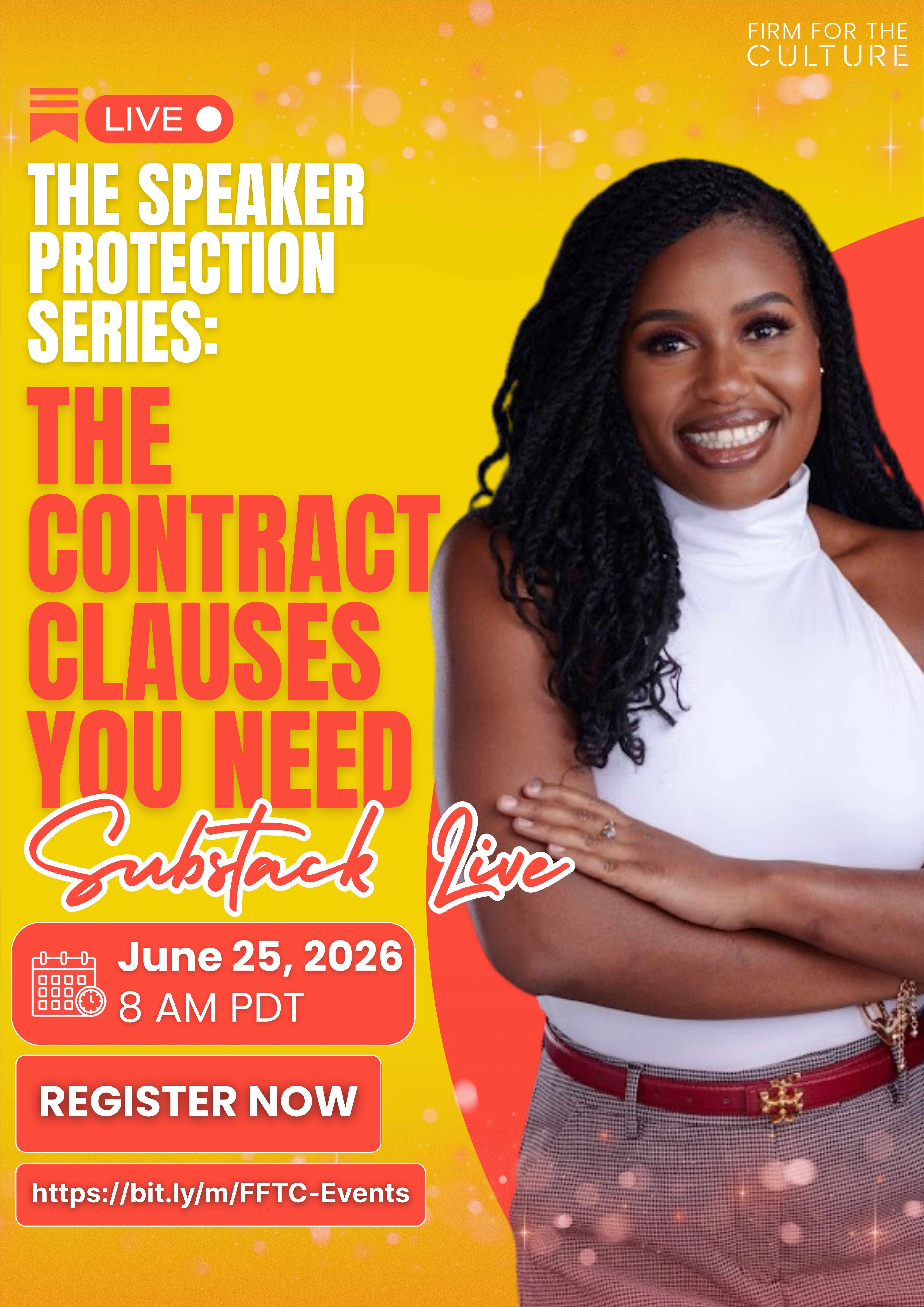
Growth usually comes with paperwork. Protection comes with awareness.
This workshop focuses on the specific contract clauses that directly impact your control, ownership, and long-term leverage as a speaker.
We’ll cover: key clauses around ownership, licensing, usage, distribution, and how to structure agreements that actually protect your work—not just your participation.
What you’ll walk away with: A clear understanding of the clauses you need in place and how to approach contracts with intention and strategy.
Register for The Speaker Protection Series: The Contract Clauses You Need workshop
For founders who are building brands. Creators who are shaping culture. Entrepreneurs who refuse to be extracted from.
Registration is FREE; in case you’re unable to make it, sign up and you’ll get the free notes.
After event recordings are $20.00 each.
Hope to see you there!
June 25, 2026 - The Contract Clauses You Need workshop

Jackie Robinson died on October 24, 1972.
He was 53 years old.
Within months — not years, months — Rachel Robinson had incorporated the Jackie Robinson Development Corporation and begun the work of building the Jackie Robinson Foundation.
She renamed the construction company Jackie had led, expanded its mission to build housing for low-to-moderate income families, and simultaneously created a nonprofit infrastructure whose purpose was to preserve his legacy and fund opportunity for the next generation.
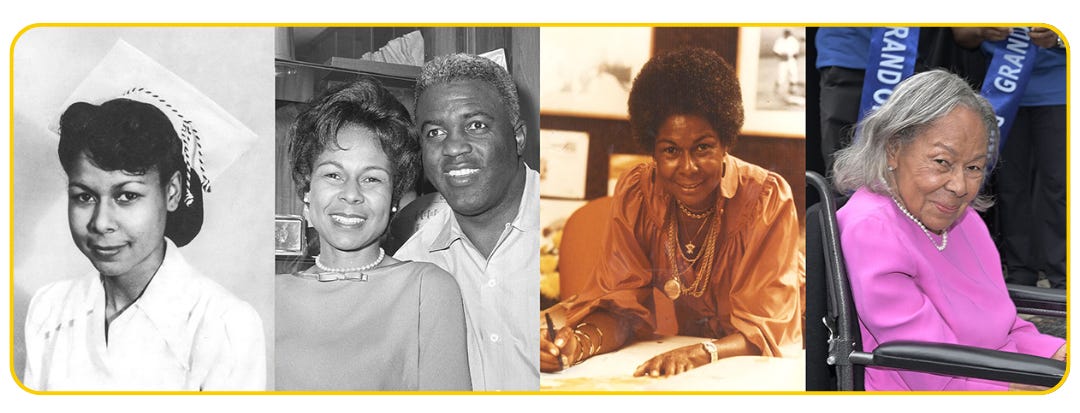
She was still in grief. She built anyway.
This matters for a specific reason. The decisions made immediately after a name becomes vulnerable — after death, after a business dissolution, after a brand crisis — determine everything about what that name can do for the next fifty years.
Rachel didn’t wait until the world told her what Jackie’s name was worth. She decided. She structured. She moved.
I love this so much.
Rachel is legal and business strategy execution personified, particulalry under the most difficult circumstances imaginable.
Founder Gem: The window to protect a name is always open — but it is widest when the brand still has momentum. Don’t wait for a crisis to decide what you own.

Here is the part of this story that gave me pause during my research.
The Jackie Robinson Estate currently holds seven trademark applications — three registered, four pending.
And the earliest of those was filed in 2023. More than fifty years after Jackie died, they are still actively expanding the portfolio.
In other words, they are still building.
The Jackie Robinson legacy is expanding day by day.
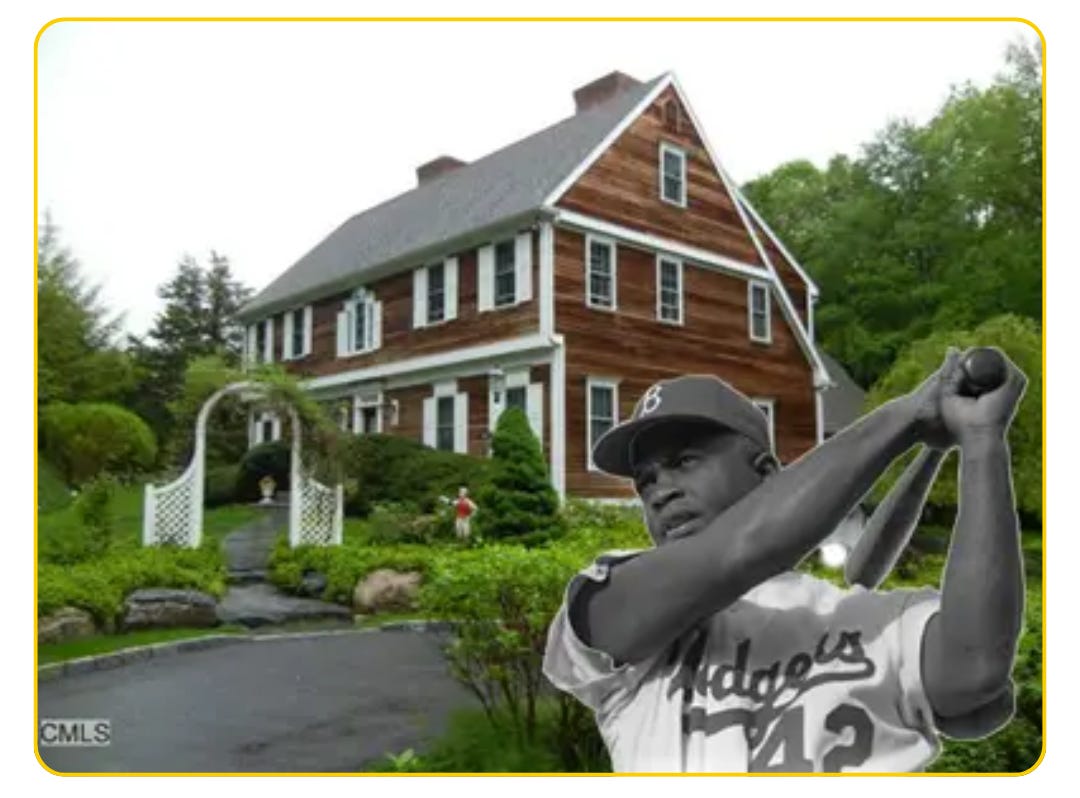
The Jackie Robinson trademarks cover bumper stickers, trading cards, printed materials, notebooks, action figures, baseball bats, baseball gloves, hats, polos, hoodies.
Because legacy is more than simply protecting a name; indeed, names do not give one commercial rights unless shown to be a commercially viable asset.
And trademarks are the means by which this is done.
With trademarks in hand, the Jackie Robinson Estate appointed IMG as its exclusive global licensing agency in a multi-year agreement in 2024.
We’re talking jerseys. Sneaker collaborations. Apparel. Collectibles. Video games.
Brand campaigns built around Jackie Robinson Day on April 15th every year.
Prior licensing programs with Chevrolet, DraftKings, and Chock Full’O Nuts have generated significant revenue — funds that go directly to scholarships and leadership development for students from underserved communities.
The name is working. It is earning. It is controlled. And the family decides who gets to use it, in what context, and on what terms.
That is what a protected IP portfolio makes possible.
Founder Gem: A trademark isn’t a one-time filing. It’s an ongoing strategy. The Robinson estate is still expanding its portfolio today because the categories the name can operate in keep growing. Your brand works the same way.

Plenty of famous people’s names get exploited after they die. When there is no structure, no foundation, no registered IP, no estate plan with clear ownership terms, the name becomes available.
Other people move in. Other people profit.
And the family — the people who actually lived it, built it, loved it — watch from the outside.
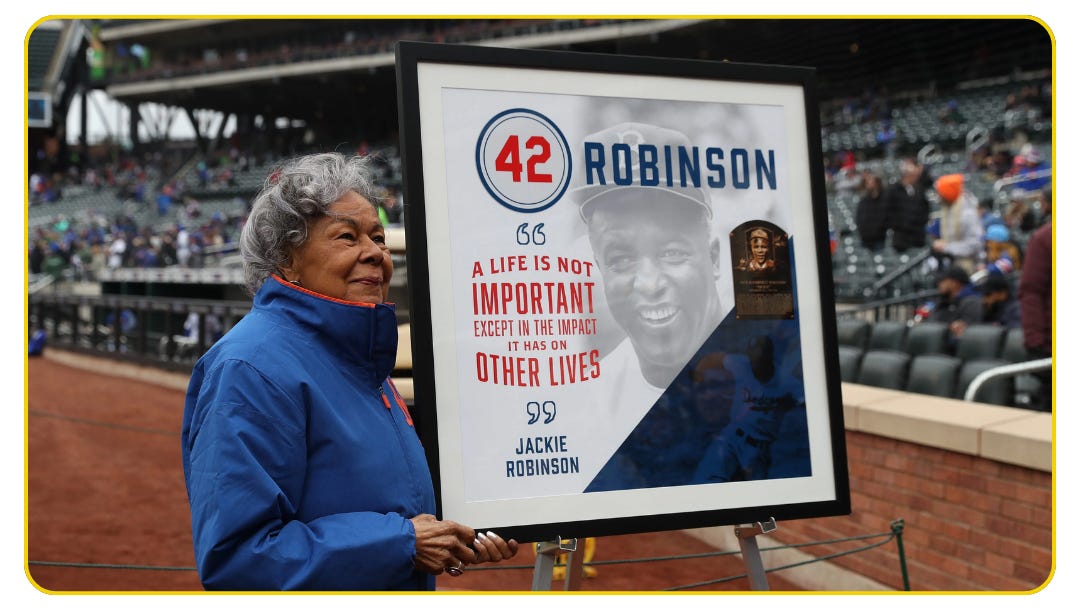
The Jackie Robinson estate tells a different story.
The public exploitation of her husbands’s name did not happen, all because Rachel Robinson made a decision in 1972.
She decided she was going to be the steward of that name.
And then she built the infrastructure that gave that decision legal force.
A foundation. A corporation. A licensing framework. A trademark portfolio that is still being expanded more than five decades later.
This is what reverence looks like — the result of intentional, structured, legally grounded work.
Founder Gem: Legacy without structure is just a story someone else gets to tell. The infrastructure is what keeps the story in the right hands.

I posted about Rachel Robinson recently — just a moment of honoring what 103 years of living with intention looks like.
The response was overwhelming. Thousands of people stopped to say something about her.
About what she represents. About what it means to still be standing, still building, still purposeful at an age when most of us can barely imagine still being here.
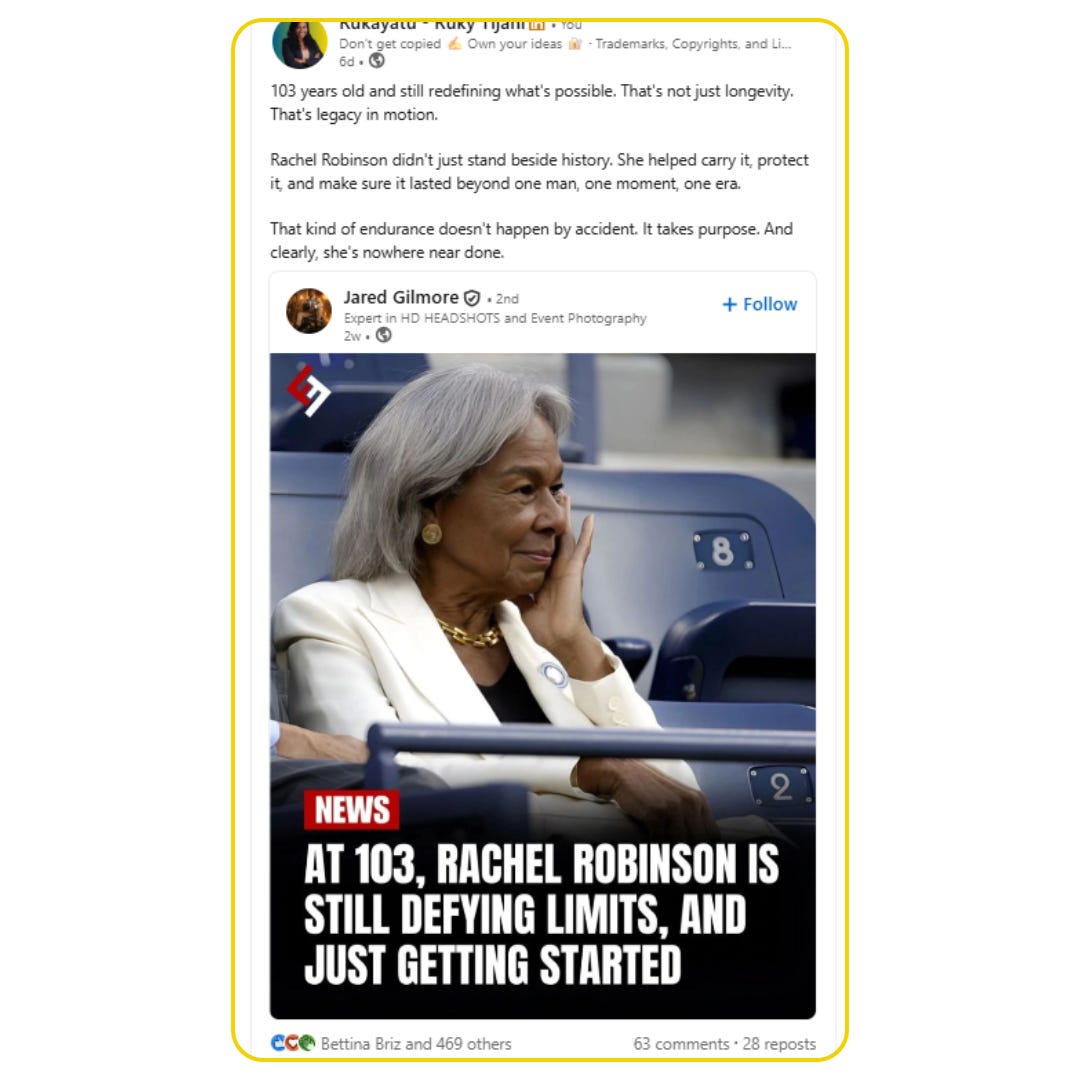
And I kept thinking: they’re responding to the longevity. But what made the longevity possible — what made the name outlive the man, what made the mission sustainable, what made the legacy something that could still generate and still give — was the work she did in the years that nobody was applauding.
The incorporations. The filings. The licensing agreements. The decisions made quietly, with intention, while the world was watching something else.
That is the work we do with founders every day. Not the work that gets the applause. The work that makes the applause mean something ten, twenty, fifty years from now.
The gap between what you’ve built and what you legally own is closeable. The question is whether you decide to close it while you still have time to do it well.
Rachel Robinson did. At 50, in grief, with everything still uncertain. She decided.
The rest is history. Literally.

When is the last time you audited the legal infrastructure behind your brand — not just what you’ve built, but what you actually own?
Drop a comment—I read every one.

Want to know where your business actually stands on that gap?
Let’s talk — and make sure your name isn’t just recognized. It’s protected.
Book a Strategy Session with Firm for the Culture and let’s make sure your name isn’t just recognized—it’s protected.
Need Help Protecting Your Creativity?
If you are unsure—or if you know you need to take action—reach out to us.
We have helped countless founders and creatives safeguard their intellectual property, and we would love to do the same for you.

If you need further guidance, reach out to me and my team at Firm for the Culture.
We’re here to help you navigate the copyright, trademark, and thought leadership journey.
Can’t wait to help you protect your dynamic impact.
And #ThatsAWrap
The Doors of the Church Firm Are Open.
Come on it and share the love.
Thanks for reading
See you next time.
"The decisions made quietly, with intention, while the world was watching something else" brought to mind the invisible power of the tide.
Decades ago, I was crewing on a yacht in a race off the coast of Adelaide, South Australia. At one point, the wind died away to nothing. The whole fleet was becalmed and every yacht dropped anchor. It was the only way to hold your position until the wind returned.
It struck me that in 1972, Rachel dropped anchor (ie protected the name) so she could hold her position while there was no wind in her sails.
But when the wind returned, she was in a position to power ahead.