
Hey Fam,
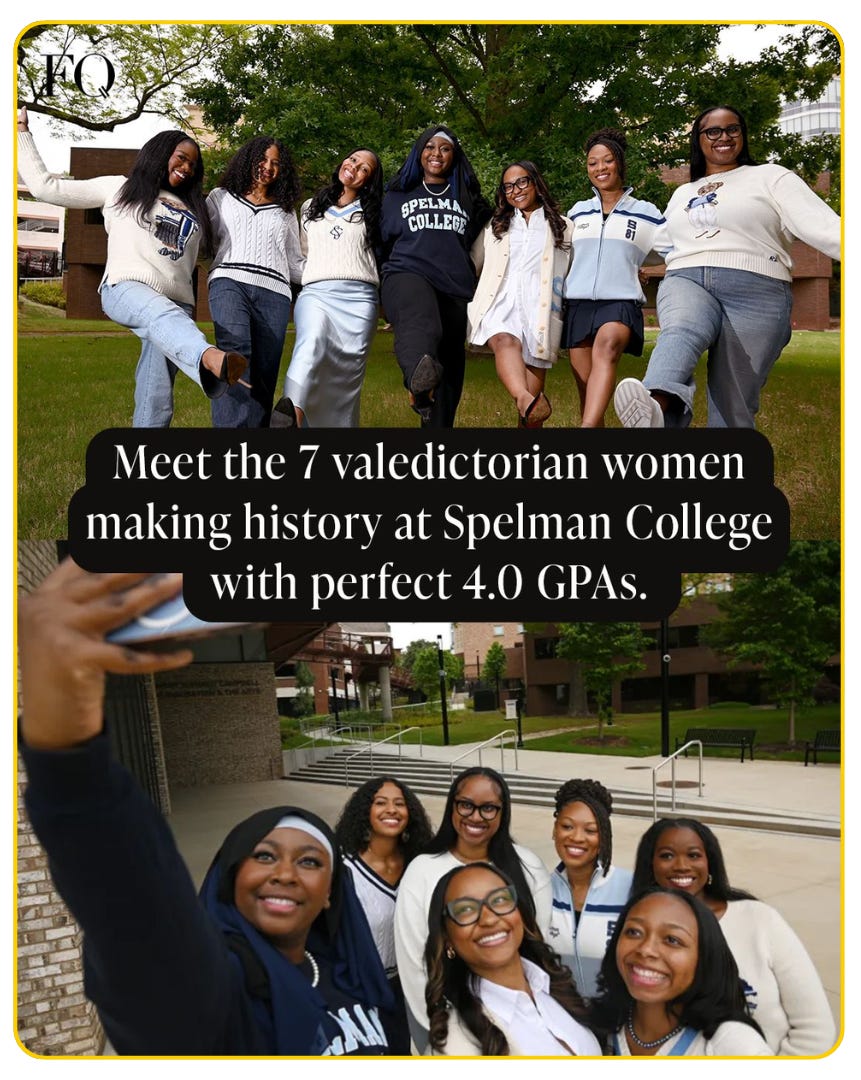
Spelman College just made history.
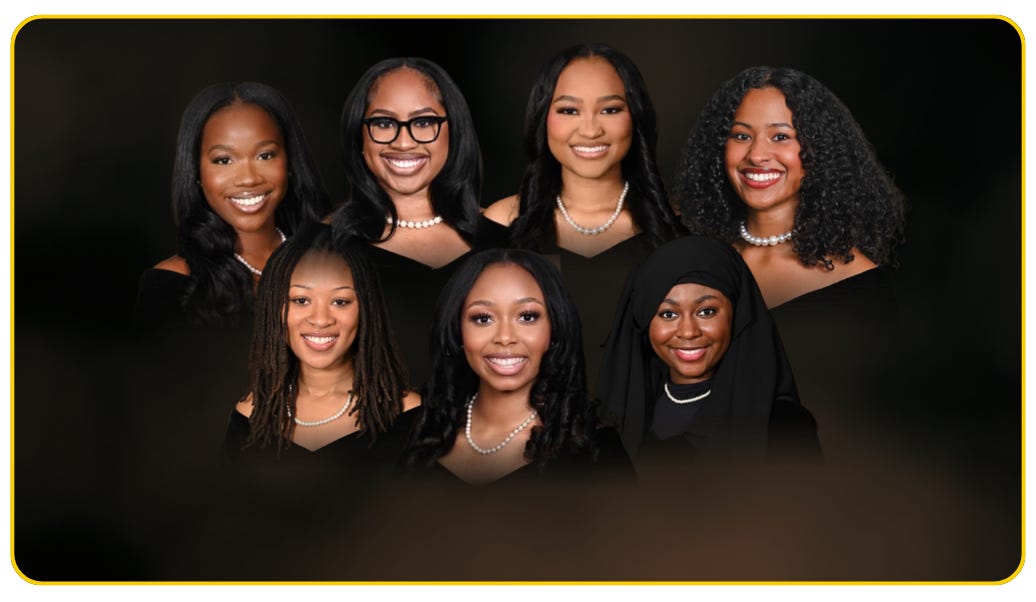
Seven seniors.
All valedictorians.
All perfect 4.0 GPAs.
Not one. Not two.
Seven — at the same time, at the same institution, in the same graduating class. In 150 years of producing some of the most extraordinary women this country has ever seen, this has never happened before.
And I keep coming back to one line from the coverage. Not the GPAs. Not the history.
This one: “This is what happens when women are resourced, supported, and given an environment built for their success instead of one they have to fight through just to survive.”
That sentence stopped me. Because I know exactly what that feels like from the inside.
I was a valedictorian too.
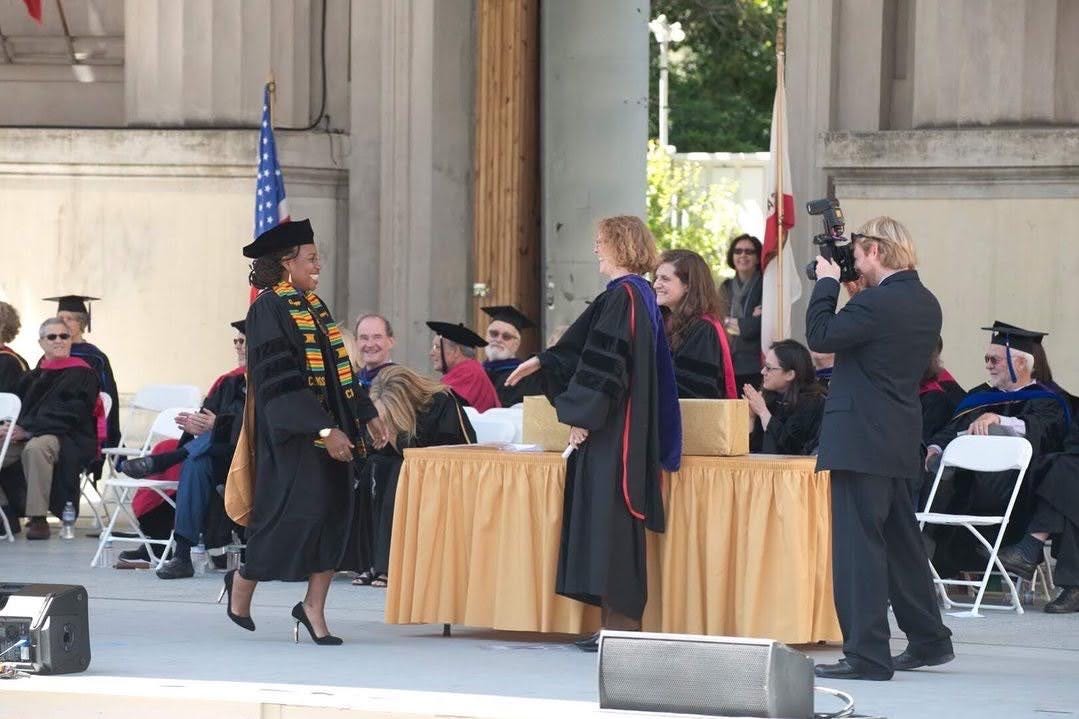
At the University at Albany, I started in Political Science.
And I loved it — but something kept feeling incomplete.
The frameworks were too narrow. The curriculum wasn’t accounting for the full picture of how power, culture, and society actually work.
So, a friend nudged me toward Africana Studies.
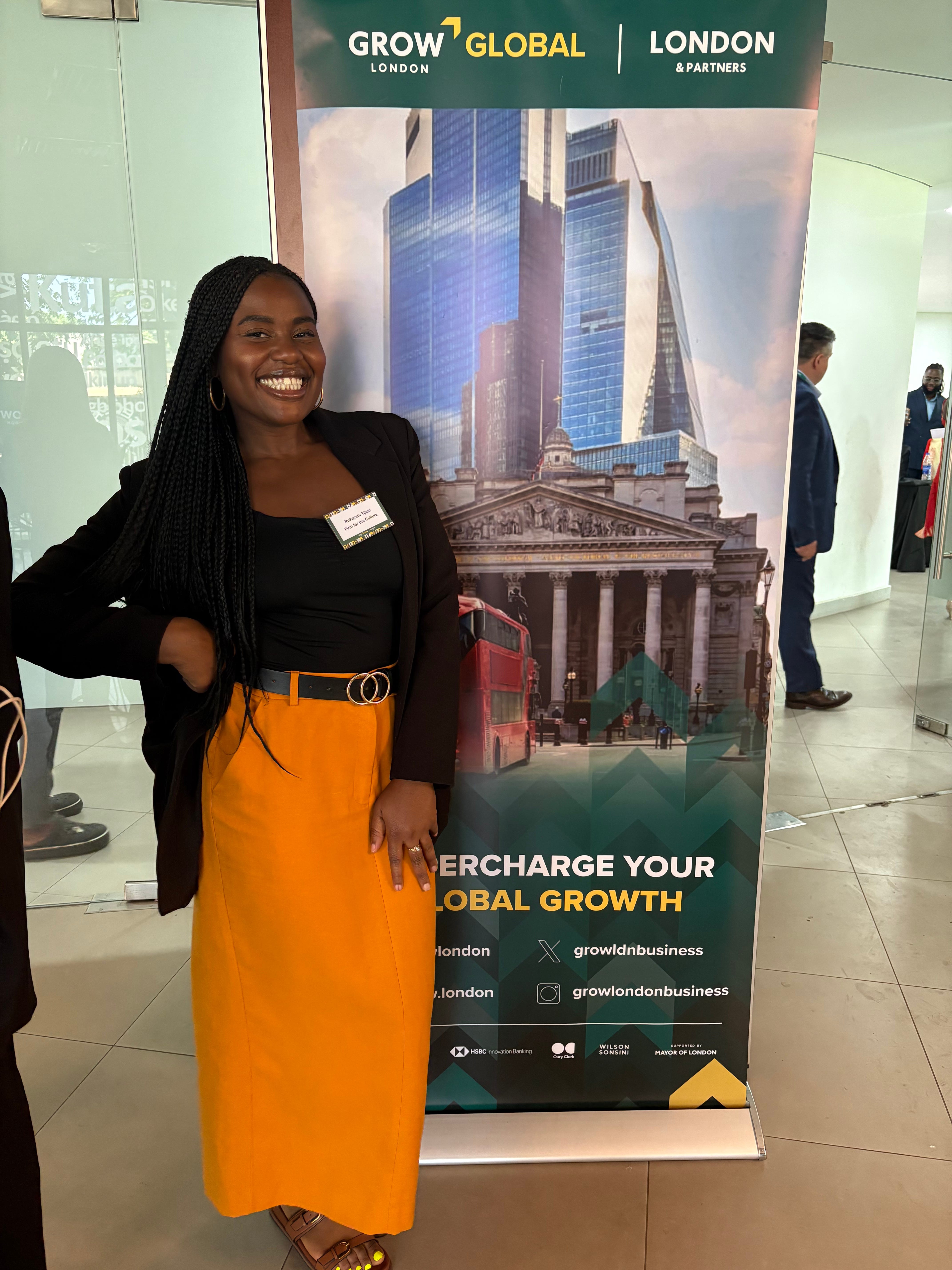
I listened. And that one decision rewired everything.
I studied at the University of Ghana.
I walked through the slave castles. I sat with the history of apartheid in South Africa.
I came to understand — not abstractly, but viscerally — how African Americans and the broader diaspora didn’t just survive America. They built it. And I graduated valedictorian of both majors. Not in spite of adding Africana Studies. Because of it.
The right environment didn’t make me smarter. It gave my intelligence the full framework it had always needed to move.
That’s what I think about when I look at those seven women.
Because here’s the thing, they were always capable of a 4.0.
The question was whether they’d ever be in a room built for what they were capable of.
Spelman answered that question. And they delivered — not just for themselves, but for every Black woman watching who has ever wondered whether the ceiling was the limit or just the wrong room.
Firm for the Culture exists because I believe founders deserve that same answer.
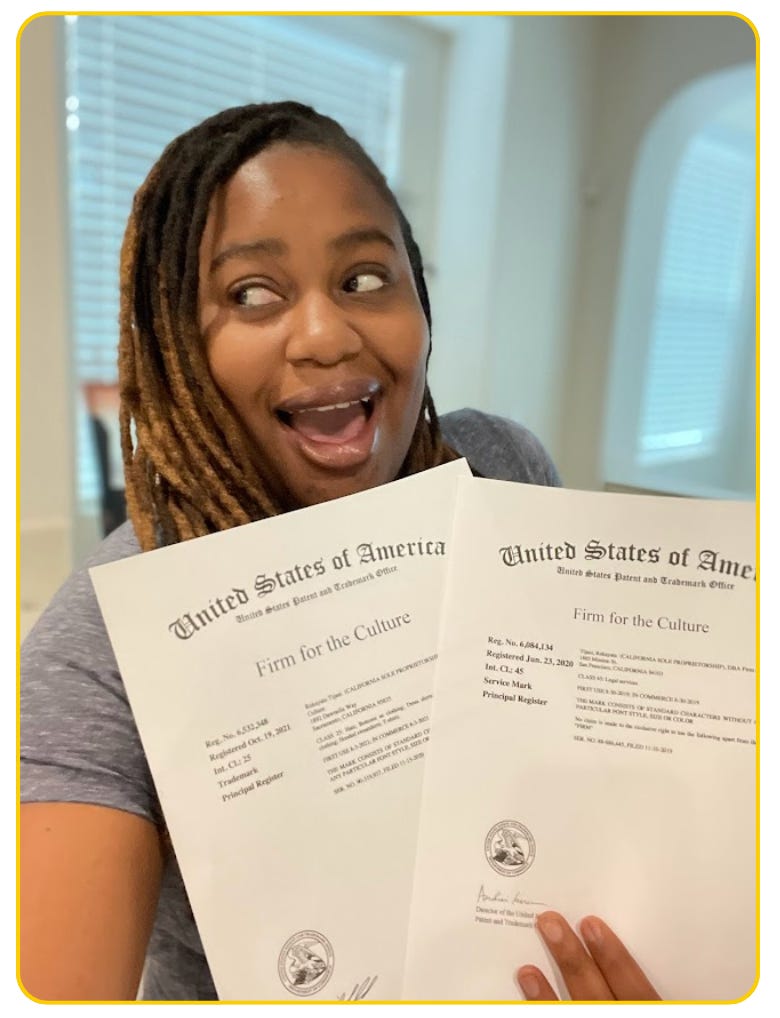
What I see across the desk every week isn’t a talent problem.
It’s an environment problem.
Brilliant, creative, capable people building in legal and structural conditions that were never designed for them.
IP systems that don’t account for the way culture-driven businesses actually operate. Trademark frameworks that treat their industries as afterthoughts. Contracts that protect everyone except them.
And the result is the same thing I would have produced if I’d stayed in a Political Science program that didn’t have room for the full scope of what I was trying to understand.
Competent. Credentialed. But not fully free.
In this Founder's Letter, we are going to talk about what environment actually does to excellence, what it means to finally be in the right room, and why the legal infrastructure you build around your work is either the room that sets you free or the ceiling you keep bumping into.
Ready?
Let’s get into it.

Loving This Post?
Show us some love by adding a “❤️” or commenting below; this will make our hearts sing. Also, please share, we want this to get to as many folx as possible.

But first, Church Announcements.
The Firm for the Culture - THE SPEAKER PROTECTION Series
We’ve got a series of workshops, all for you!
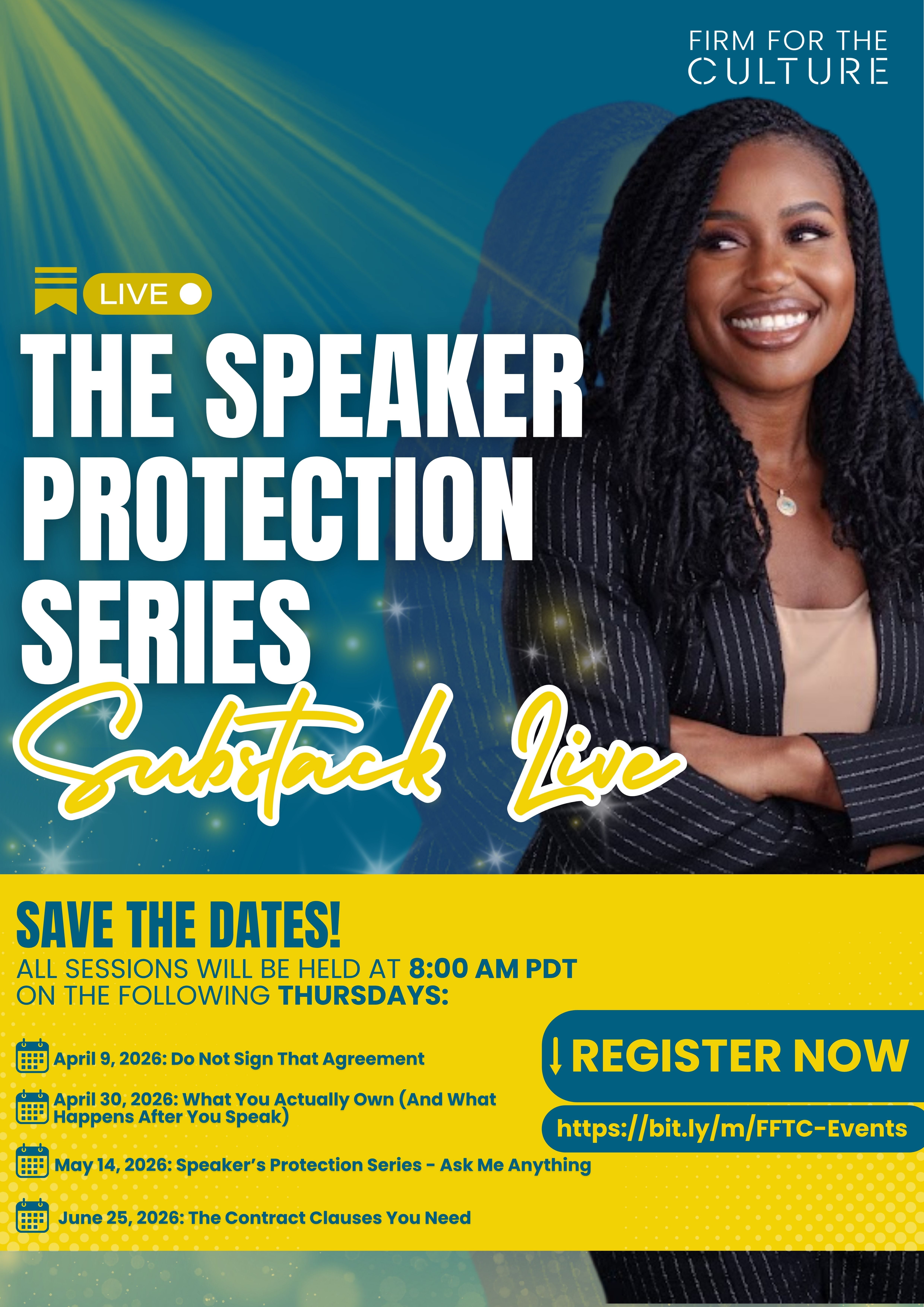
Speaking builds visibility. But it also creates intellectual property.
This series breaks down what actually happens to your ideas, your content, and your rights once you step on stage. From contracts to ownership to licensing, we’ll explore how speaking opportunities can either build long-term value—or quietly take it away.
We’ll cover: how speaking engagements intersect with intellectual property, what speakers often overlook when accepting opportunities, and how to approach speaking as both a visibility and ownership strategy.
What you’ll walk away with: A clearer understanding of how to protect, position, and leverage your content as a speaker—before, during, and after every engagement.
Here’s a preview for your viewing pleasure:
Workshop 4: The Speaker Protection Series: The Contract Clauses You Need
📅 June 25, 2026 at 8:00 a.m. PDT
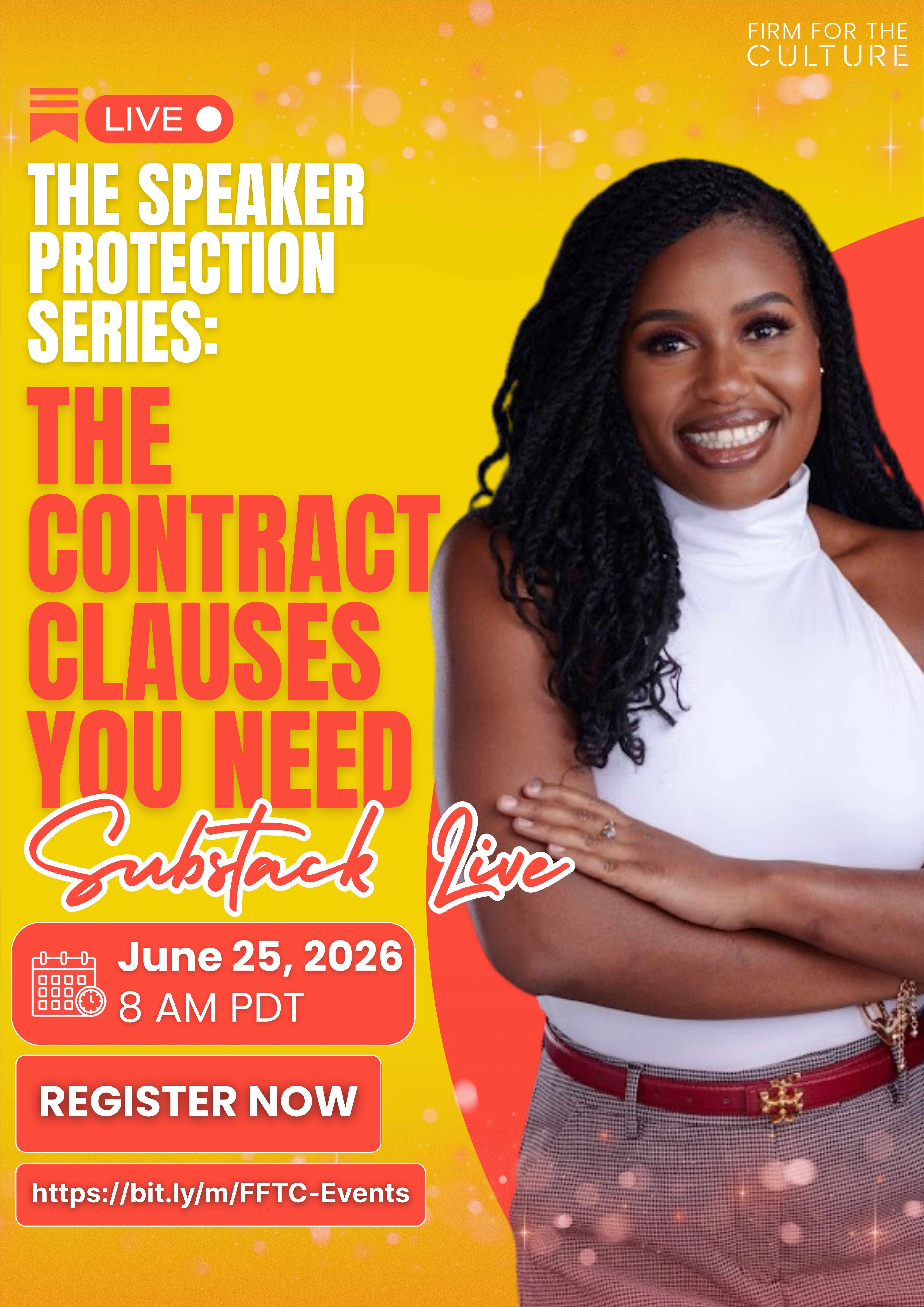
Growth usually comes with paperwork. Protection comes with awareness.
This workshop focuses on the specific contract clauses that directly impact your control, ownership, and long-term leverage as a speaker.
We’ll cover: key clauses around ownership, licensing, usage, distribution, and how to structure agreements that actually protect your work—not just your participation.
What you’ll walk away with: A clear understanding of the clauses you need in place and how to approach contracts with intention and strategy.
Register for The Speaker Protection Series: The Contract Clauses You Need workshop
For founders who are building brands. Creators who are shaping culture. Entrepreneurs who refuse to be extracted from.
Registration is FREE; in case you’re unable to make it, sign up and you’ll get the free notes.
After event recordings are $20.00 each.
Hope to see you there!
June 25, 2026 - The Contract Clauses You Need workshop

Spelman didn’t produce seven valedictorians because this graduating class was uniquely gifted.
They produced seven valedictorians because they have spent 150 years building an institution where the question was never whether Black women belonged — it was how far they could go once they got there.
That’s a different starting point. And it produces a different result.
I watch this play out in legal practice constantly. Two founders. Similar businesses. Similar creative output. Similar audiences. One has a trademark portfolio, a licensing framework, clearly defined ownership agreements. The other is operating on goodwill and a handshake and the hope that nobody moves in on what they’ve built.
Same talent. Different infrastructure. Completely different exposure.
The one with the infrastructure isn’t more creative. They’re not working harder.
They’re just operating in a legal environment that was built to hold what they’re building. And that changes everything about what they’re able to do next — the partnerships they can enter, the licensing revenue they can generate, the legacy they can pass down.
Founder Gem: Your excellence was never the question. The question is whether the legal environment around your work is built to hold it.

Nobody told me that Africana Studies would change my life. My friend pointed me in a direction. I took a step. And from that step came Ghana, came the slave castles, came a way of understanding law and culture and power that I could not have built inside Political Science alone.
The pivot didn’t feel significant in the moment. It felt like a course correction. Like finally getting to study something that had room for the full scope of what I was trying to understand.

Founders have this moment too. It usually doesn’t feel like a breakthrough when it’s happening. It feels like a decision. A filing. A consultation. The moment they finally sit down and get the legal foundation built instead of putting it off until something goes wrong.
And then six months later, a year later, five years later — they look back and they can see it. That was the pivot. That was the moment the environment changed. That was when the room finally matched what they were building.
Founder Gem: The decision that changes everything rarely announces itself. It just asks whether you’re ready to take the next step.

I graduated valedictorian of both majors because I was finally in the right intellectual environment. Not because I suddenly became capable of it. I was always capable of it. The environment just finally had room for what I was bringing.
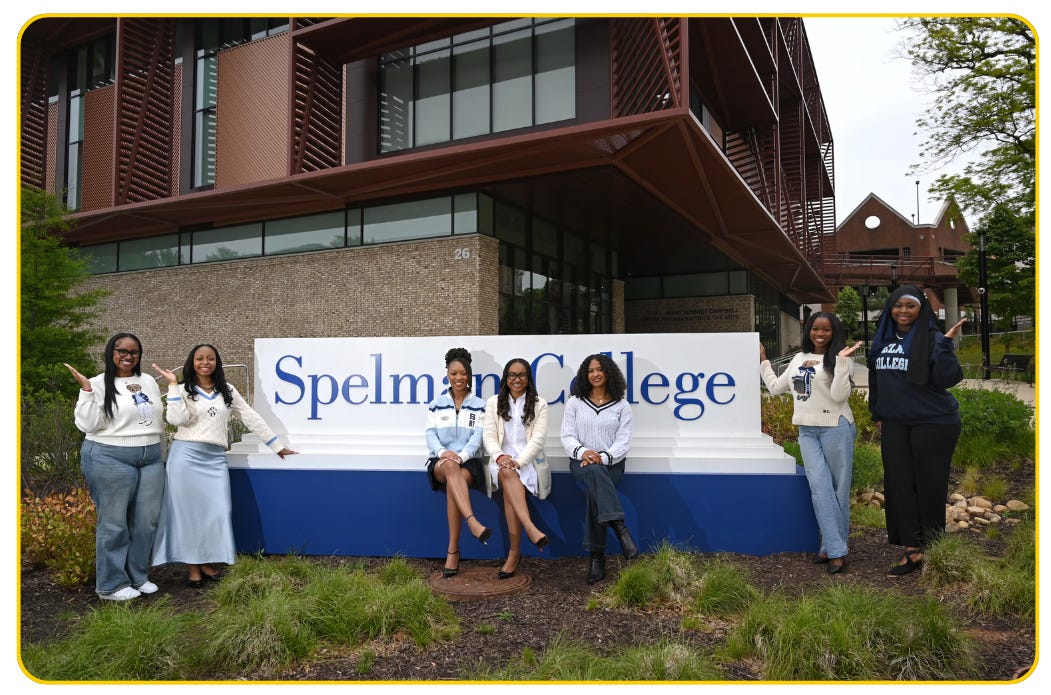
Those seven women at Spelman know this feeling. They walked into a room that was built for them — and they delivered at the highest level the institution has ever seen.
That’s what I want for every founder I work with. Not just protection. Not just compliance. A legal environment that was actually built for the way they work, the industry they’re in, the creative output they’re producing. One where the infrastructure expands with the brand instead of constraining it.
Because when the room finally fits — when the legal foundation is built correctly, when the trademark portfolio covers the right categories, when the ownership agreements actually reflect how the business operates — the work doesn’t just get protected. It gets free.
And free people build differently.
Founder Gem: Protection isn’t the ceiling. It’s the foundation. Build the legal environment that gives your work room to move.

I think about those seven women often. I think about what it took — not just the studying, not just the discipline — but the decision to be somewhere that was built for their success. To walk into a room and know, at some cellular level, that they belonged there. That the environment was finally equal to what they were bringing.
I think about myself at UAlbany. The friend who nudged me. The step I took. The rooms that opened because of it — Ghana, the law, this practice, this community.
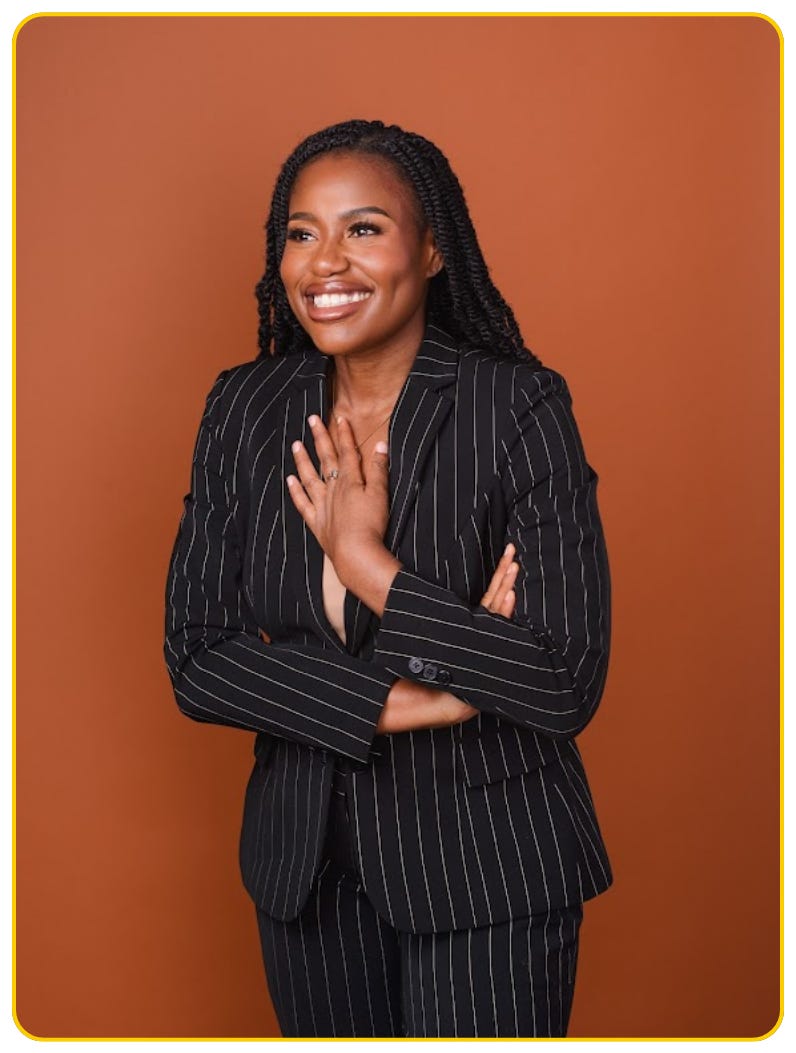
And I think about the founders I sit with every week who are one decision away from that same shift. Not a talent decision. Not a discipline decision. A structural one. A legal one. The decision to finally build the environment that matches what they’re capable of.
The room is available. The question is whether you’re ready to walk into it.

Was there a pivot — a room you almost didn’t walk into — that ended up changing everything? Drop a comment — I read every one.
Drop a comment—I read every one.

Want to know where your business actually stands on that gap?
Let’s talk — and make sure your name isn’t just recognized. It’s protected.
Book a Strategy Session with Firm for the Culture and let’s make sure your name isn’t just recognized—it’s protected.
Need Help Protecting Your Creativity?
If you are unsure—or if you know you need to take action—reach out to us.
We have helped countless founders and creatives safeguard their intellectual property, and we would love to do the same for you.

If you need further guidance, reach out to me and my team at Firm for the Culture.
We’re here to help you navigate the copyright, trademark, and thought leadership journey.
Can’t wait to help you protect your dynamic impact.
And #ThatsAWrap
The Doors of the Church Firm Are Open.
Come on it and share the love.
Thanks for reading
See you next time.
What an inspiring post.
And what jumped out at me were the words ‘room’, ‘structure’, ‘environment’.
I heard them through the lens of being an FFTC fan and a marketer.
Those words evoked a sense of your clients being enveloped by you…of FFTC as a container of sorts.
And I wondered: is there the germ of a brand device in that.
In other words, would it differentiate FFTC to position itself as being (not so much just another law firm but) an environment or structure or context of some sort, in which it holds its special cargo?
This post proves such an approach would be authentic.
But would it be useful?
Only one thing’s for certain: my reservoir of potentially useless ideas is inexhaustible. NNTR.
🙌🏾🙌🏾🙌🏾🙌🏾🙌🏾🙌🏾🙌🏾🙌🏾❤️❤️❤️❤️❤️❤️❤️